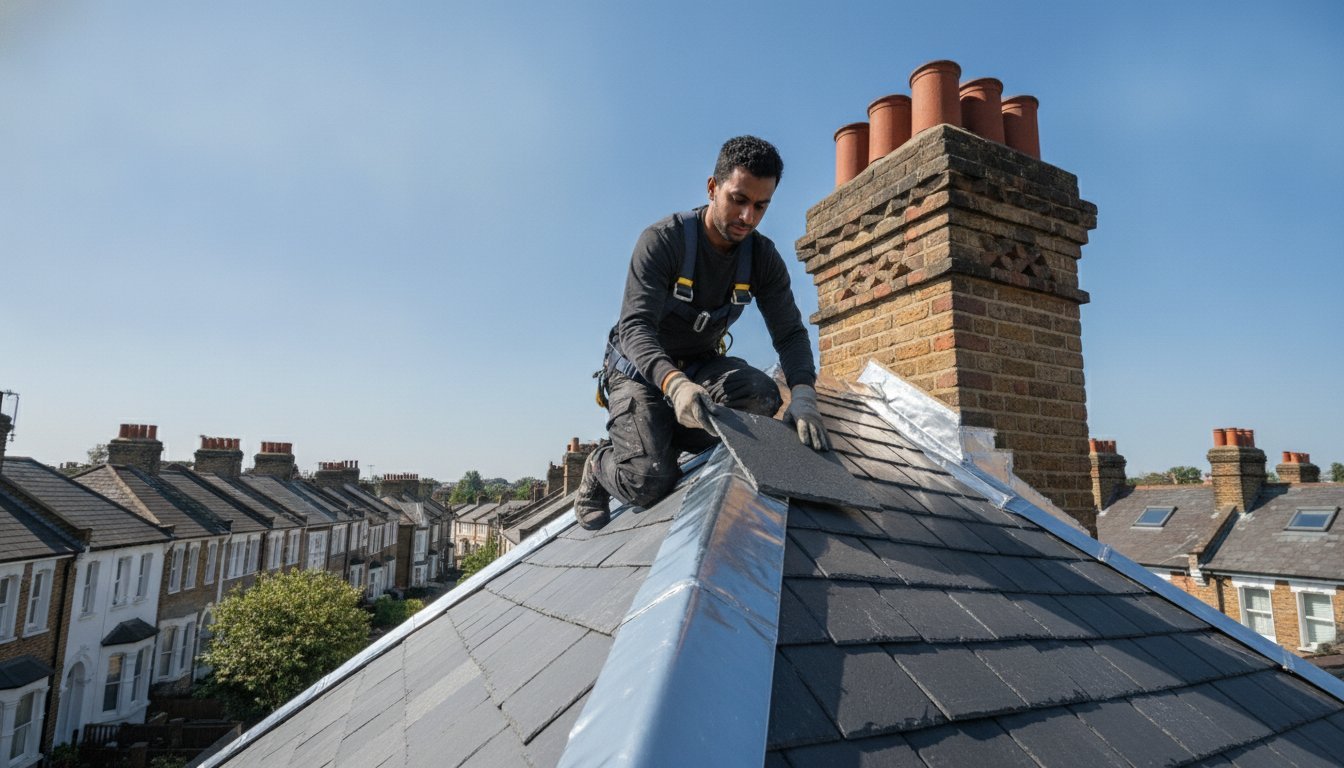
Did you know that over 80% of Hackney’s residential buildings are more than a century old? Maintaining the structural integrity of these properties requires more than just standard repairs; it demands a specialist approach to roofing for period homes Hackney residents can trust to meet modern standards. You likely understand the frustration of managing a leaking chimney or failing leadwork whilst trying to navigate the Hackney Council’s strict conservation area regulations. It’s a delicate balance to keep a home weather-tight and energy-efficient without compromising the historic character that makes our borough unique.
This 2026 resource guide is designed to help you protect your investment by matching traditional craftsmanship with contemporary performance. You’ll discover how to achieve a historically accurate finish that complies with the latest planning guidance, including the 2026 Retrofit SPD. We will also outline the essential steps for upgrading thermal insulation and ensuring your slate or leadwork remains durable for decades to come. From authentic material sourcing to navigating pre-application advice, this guide provides a clear roadmap for restoring your period roof with confidence and precision.
Key Takeaways
- Identify the specific architectural requirements of Georgian and Victorian properties to ensure your roof restoration respects Hackney’s unique heritage.
- Learn why sourcing authentic natural slate and clay tiles is the most significant factor in preserving the long-term market value of your period home.
- Understand the technical importance of precision leadwork and chimney repointing to protect your property against damp and structural wear.
- Discover how to implement modern thermal insulation upgrades that enhance energy efficiency whilst remaining compliant with roofing for period homes Hackney planning guidelines.
- Navigate Hackney Council’s 2026 conservation area restrictions and understand when you must obtain formal planning permission for heritage works.
Understanding Hackney’s Period Architecture and Roofing Requirements
Hackney’s streetscape is a living museum of 19th-century design. When we discuss roofing for period homes Hackney residents must consider more than just keeping the rain out. Heritage roofing involves using traditional materials and techniques that respect the original construction. This approach ensures that any intervention maintains the building’s historical value and structural logic. It isn’t simply about aesthetics; it’s about using materials that “breathe” and move in harmony with a 100-year-old structure.
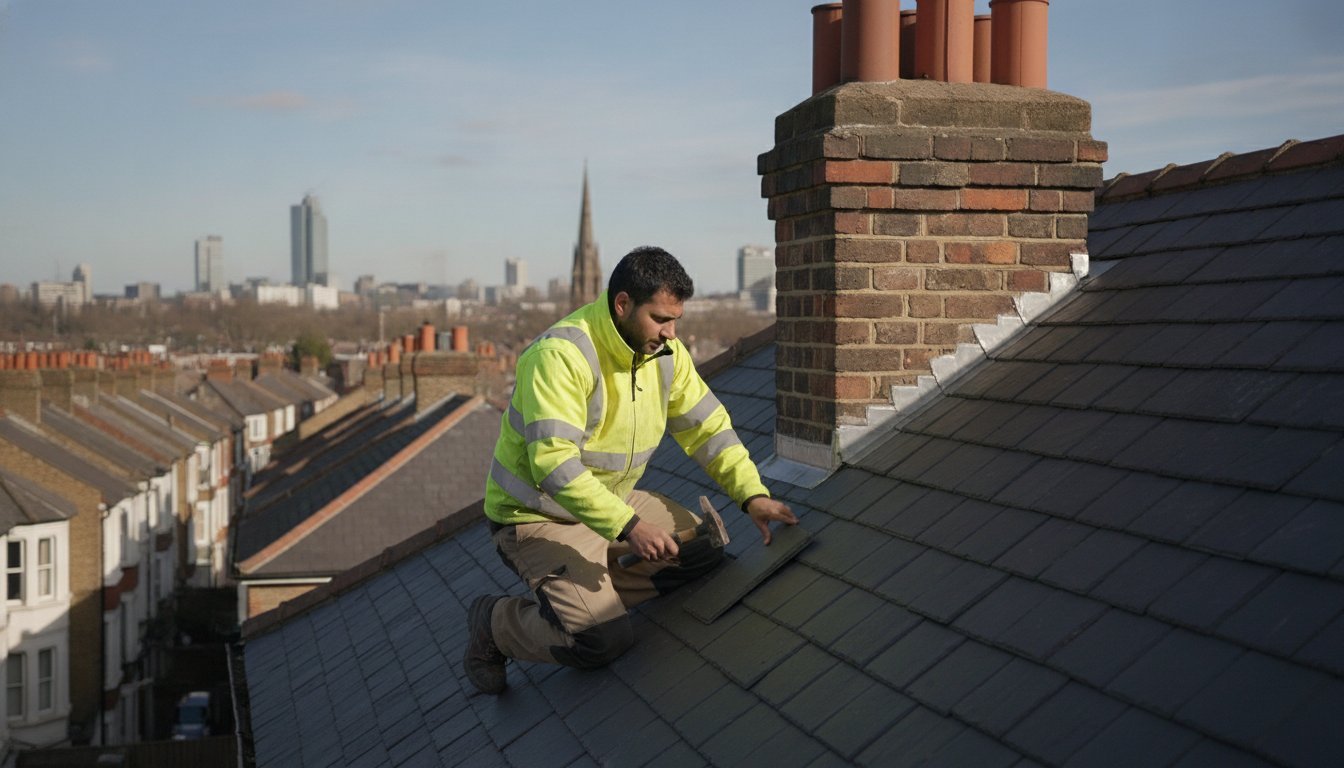
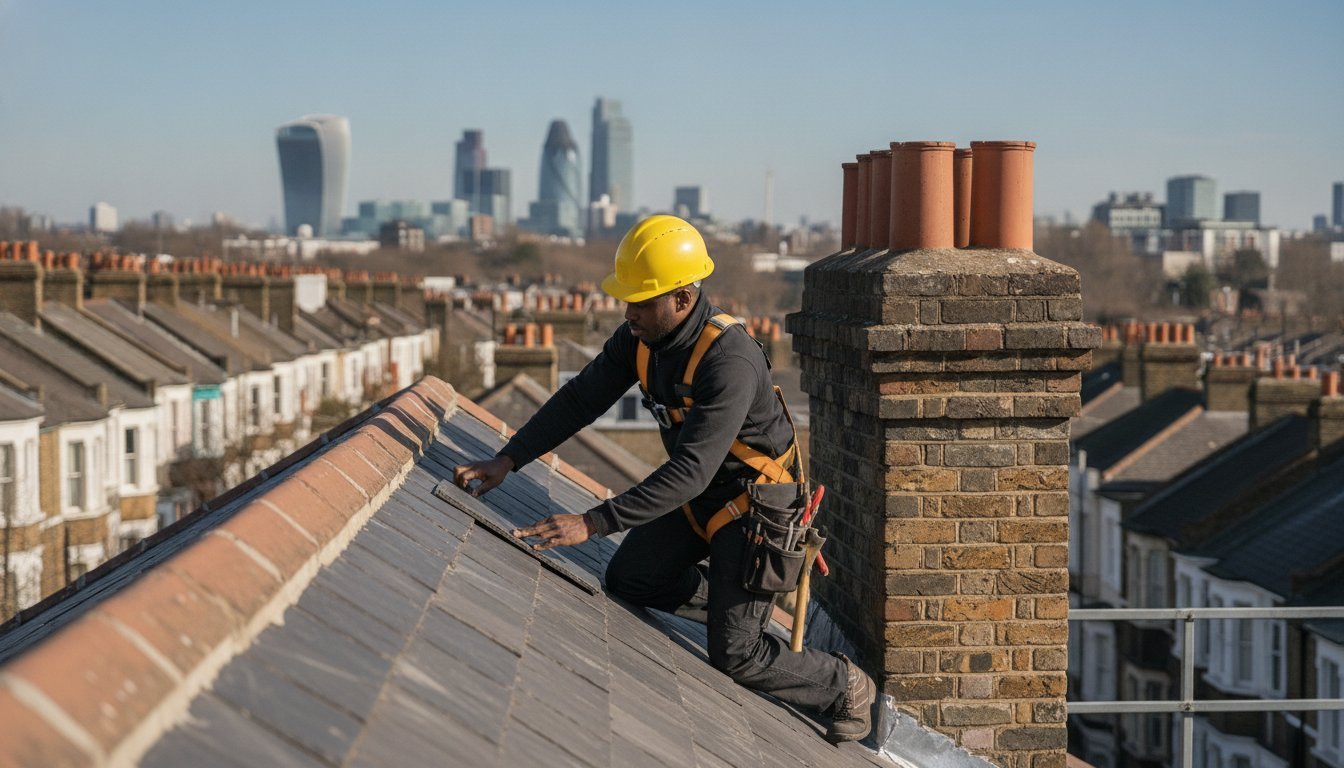
East London properties face unique environmental and structural pressures. Historical pollution from London’s industrial past has often degraded original mortar and leadwork over many decades. Additionally, the natural settling of older foundations can cause subtle shifts in roof timbers. This movement often leads to “nail sickness,” where original iron nails rust away and cause slates to slip. Addressing these issues requires a specialist who understands how these buildings were intended to function.
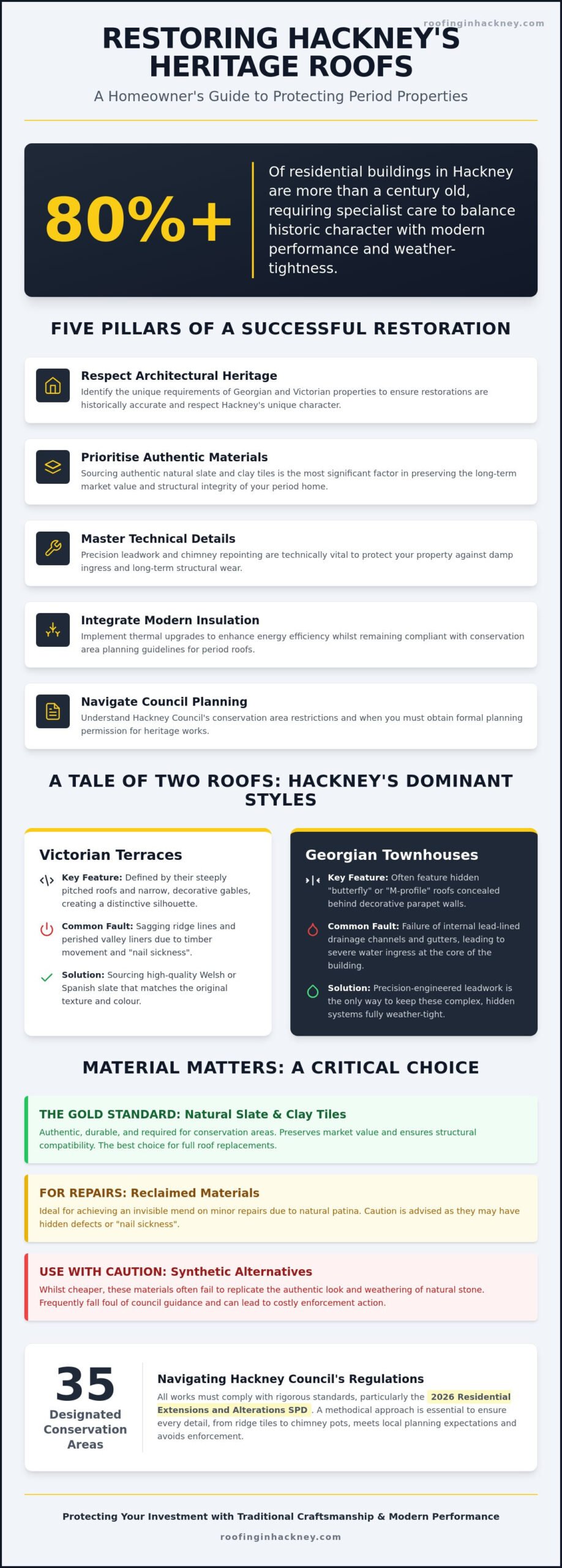
Hackney Council plays a pivotal role in preserving this architectural legacy. There are currently 35 designated conservation areas across the borough. The council’s Residential Extensions and Alterations SPD, which became effective in January 2026, sets rigorous standards for any modifications to these historic roofs. Working within these regulations requires a methodical approach to ensure every detail, from the ridge tiles to the chimney pots, meets local planning expectations.
Victorian Terraces: The Steeply Pitched Slate Standard
Victorian roofs are defined by their steep pitches and narrow, decorative gables. Understanding Victorian architecture is essential for identifying common failure points, such as sagging ridge lines or perished valley liners. When executing a roof replacement in Hackney, it’s vital to replicate the original silhouette exactly. We focus on sourcing high-quality Welsh or Spanish slate that matches the texture and hue of the existing terrace, ensuring the new installation looks as though it has always been there.
Georgian Townhouses: Parapets and Hidden Flat Roofs
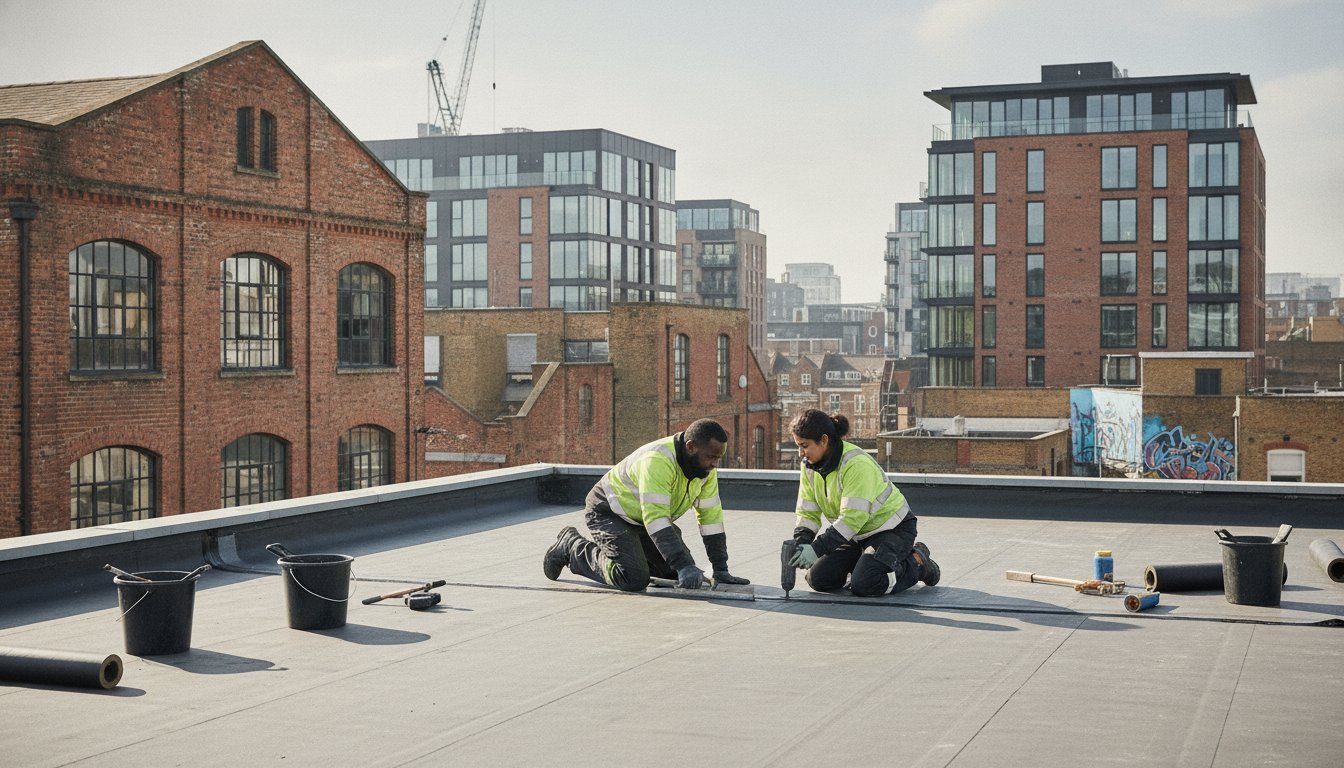
Georgian architecture in Hackney often features the “butterfly” or “M-profile” roof. These are frequently hidden from street view behind decorative parapet walls. Because these roofs pitch inwards, they rely entirely on internal drainage channels and central valleys. If the leadwork in these areas fails, water can penetrate the very core of the townhouse. Maintaining the integrity of parapet walls and lead-lined gutters is the most critical task for any Georgian property owner. Precision leadwork is the only way to keep these complex, hidden systems weather-tight.
Material Selection: Sourcing Authentic Slate and Tiles
Selecting the right materials is the most critical decision a homeowner makes when restoring a historic roof. In Hackney, the visual continuity of a streetscape often depends on the subtle textures and colours of the roofing materials used. When selecting materials for roofing for period homes Hackney property owners must prioritise authenticity above all else. This isn’t just about appearance; using the correct materials preserves the long-term market value of the building and ensures structural compatibility with the original timber frame.
Natural slate remains the gold standard for heritage projects. While synthetic alternatives might promise lower costs, they often fail to replicate the natural delamination and weathering characteristics of real stone. More importantly, synthetic products frequently fall foul of Hackney Council’s listed building guidance, which generally mandates traditional materials to maintain the borough’s architectural integrity. If your home is in a conservation area, using non-authentic materials could lead to enforcement action and the costly requirement to redo the work.
For minor repairs, sourcing reclaimed materials is often the best way to achieve an invisible mend. Reclaimed Welsh slates or handmade clay tiles carry a patina that new materials cannot replicate. However, for a full roof replacement, we typically recommend new, high-quality natural materials. Modern production standards ensure these materials are free from the hidden cracks or “nail sickness” often found in salvaged stock, providing a lifespan that can exceed a century. Understanding when your roof has genuinely reached its limit is crucial; our guide on old slate roof replacement explains how to identify whether failing nails and perished underlays — rather than the slates themselves — are driving the need for a full restoration. If you’re unsure which material fits your specific conservation area, you can speak with our heritage specialists for a technical assessment.
Welsh Slate vs. Spanish Slate: Which is Best for Your Home?
Welsh slate, particularly from the Penrhyn or Cwt-y-Bugail quarries, is world-renowned for its durability and deep heather-blue or grey tones. It is the most prestigious choice for a London townhouse. Spanish slate is a popular alternative, provided it is a high-quality Grade A selection. It offers a similar aesthetic to Welsh slate but with a slightly different texture and a more uniform colour. For a deeper dive into these options, see our guide on Mastering Slate Roofing in Hackney.
Clay Plain Tiles and Camberley Patterns
While slate dominates the Victorian era, many Edwardian homes in Hackney feature clay plain tiles. These tiles offer a warmer, more textured finish. We recommend handmade clay tiles over machine-made versions because their slight irregularities allow for better airflow and a more authentic “cambered” appearance. When installing these, it’s essential to use modern, vapour-permeable membranes. These allow the building to breathe whilst providing a secondary line of defence against the driving rain common in East London.
Expert Leadwork and Chimney Restoration
Lead is often described as the “unsung hero” of heritage roofing. While slate provides the primary shield, leadwork forms the critical seals at valleys, gutters, and chimney junctions. For roofing for period homes Hackney terraces often rely on complex lead detailing to manage water runoff between adjoining properties. Precision here is non-negotiable. Poorly executed leadwork is the primary cause of damp in East London homes, as even a minor crack in a valley liner can lead to significant internal damage over time.
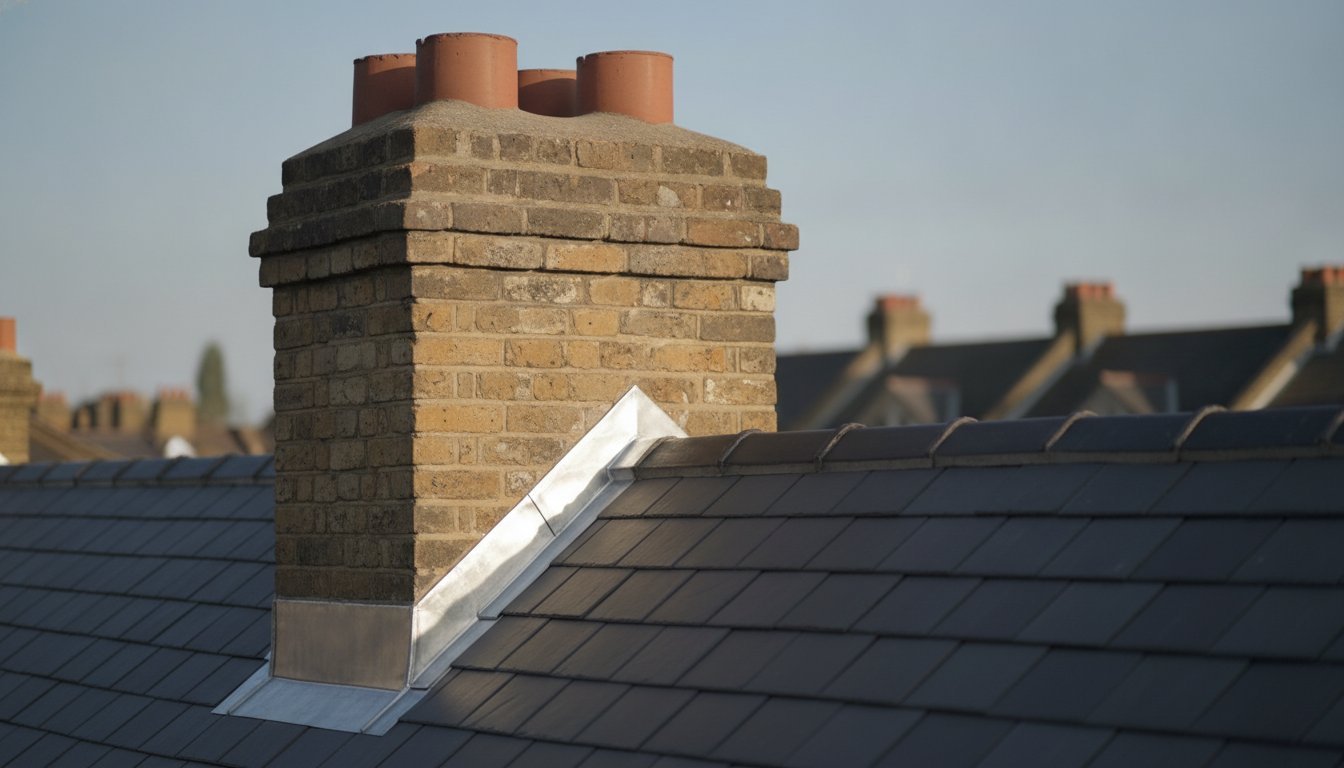
Chimney stacks represent the most exposed element of any period property. Standing proud of the roofline, they bear the full force of wind and rain. In Hackney’s Victorian and Georgian stock, these stacks are frequently neglected until visible signs of failure appear. Crumbling mortar joints, moss growth, and loose chimney pots are clear indicators that the masonry is no longer weather-tight. Neglecting a chimney doesn’t just risk a leak; it can lead to structural instability that threatens the safety of the entire roof. Maintaining these structures is a vital part of protecting the architectural integrity of roofing for period homes Hackney residents cherish.
Precision Lead Flashing and Valleys
Durability in leadwork depends on using the correct thickness, referred to as “codes”. We typically specify Code 4 for flashings and Code 5 for valleys and gutters to ensure the metal can withstand thermal expansion without splitting. A master craftsman uses traditional lead-burning techniques rather than modern sealants, which often fail after just a few years of exposure. This technical precision is a cornerstone of expert slate roof repairs in Hackney, ensuring the roof remains watertight for decades.
Chimney Stack Repointing and Maintenance
Repointing a heritage chimney requires a specific material choice: lime mortar. Unlike modern cement, lime mortar is breathable and flexible. It allows moisture to evaporate from the brickwork and accommodates the subtle movements of an aging building. Using cement on a period chimney can trap moisture, leading to “spalling” where the brick faces literally pop off. We assess every stack to determine if it requires a simple repoint or more extensive structural stabilisation, such as rebuilding the top courses to secure the pots and prevent water ingress into the chimney breast.
Balancing Heritage Aesthetics with Thermal Performance
One of the most significant challenges in maintaining a historic property is improving its thermal efficiency without disturbing its aesthetic integrity. For roofing for period homes Hackney residents frequently find themselves caught between the desire for a warmer home and the need to preserve original features. Traditional roofs were designed to be draughty; this constant airflow was the primary mechanism for keeping timber rafters dry. Introducing modern insulation requires a methodical approach to ensure that we don’t inadvertently trap moisture within the structure.
The choice between a “cold roof” and a “warm roof” configuration is central to this process. In a cold roof setup, insulation is typically placed at the ceiling level, leaving the loft space unheated. A warm roof configuration places insulation between or above the rafters, making the entire roof structure part of the building’s thermal envelope. For many Victorian terraces in East London, a warm roof conversion during a full replacement offers the best balance of performance and space. This upgrade can significantly improve a property’s EPC rating, which is a vital consideration as Hackney moves towards stricter 2026 environmental standards.
A common objection is the fear that modern insulation will cause timber to rot. This only occurs if the installation lacks a proper ventilation strategy. When done correctly, high-performance materials protect the timber by keeping it at a consistent temperature and preventing the “dew point” from occurring within the wood itself. If you are planning an upgrade, you can request a thermal performance assessment to see which configuration best suits your property’s specific rafters.
Modern Insulation Techniques for Pitched Roofs
Achieving high thermal standards in a period home usually involves integrating high-performance PIR (Polyisocyanurate) boards between the rafters. This allows for a significant reduction in heat loss without increasing the roof’s height or altering its external silhouette. A critical component of this system is the vapour control layer (VCL). This membrane prevents warm, moist air from the home’s interior from reaching the cold side of the insulation, where it could cause interstitial condensation. For a detailed breakdown of material options, refer to our Thermal Roof Insulation Buying Guide.
Ventilation: The Key to Heritage Longevity
Period roofs require more intentional airflow than modern builds to remain healthy. We utilise discreet ventilation solutions that provide the necessary air exchange without being visible from the streetscape. This includes tile vents that match the colour and profile of your slate or clay tiles, as well as ventilated ridge systems. These solutions allow moisture to escape the roof void whilst the insulation retains heat within the living spaces. By balancing these two factors, we ensure the longevity of the heritage timbers whilst creating a home that meets 21st-century comfort levels.
Navigating Planning and Choosing a Heritage Specialist
Understanding the legal framework is just as vital as selecting the right slate. When managing roofing for period homes Hackney residents often assume that like-for-like repairs fall under “Permitted Development.” However, this is rarely the case within the borough’s extensive conservation network. Hackney Council’s strict planning standards, updated in the January 2026 Residential Extensions and Alterations SPD, mean that even minor changes to the profile or material of a roof can require formal consent. It’s essential to verify your property’s status before any scaffolding is erected to avoid potential legal complications or enforcement notices.
Choosing a contractor for heritage work requires a different set of criteria than standard modern roofing. A master craftsman should provide a portfolio that demonstrates a deep familiarity with the specific challenges of 19th-century buildings. This includes a nuanced understanding of how traditional timber frames interact with heavy natural slate and the importance of using breathable materials. You should also ensure that any structural work is covered by an insurance-backed guarantee. This provides a layer of security that standard manufacturer warranties cannot offer for bespoke heritage installations, ensuring your investment is protected for the long term.
Hackney Conservation Area Considerations
With 35 designated conservation areas across Hackney, many homeowners are subject to “Article 4 Directions.” These legal restrictions remove certain Permitted Development rights to protect the character of the streetscape. In these areas, the council often mandates specific materials, such as Welsh slate or handmade clay tiles, and prohibits synthetic alternatives. If you’re unsure about your requirements, the Hackney Planning Department offers a formal pre-application advice service for householder proposals at a cost of £250. This small investment can prevent costly delays by ensuring your project aligns with local heritage expectations from the outset.
Vetting Your Roofing Contractor
Don’t be afraid to ask technical questions during the consultation phase. A specialist should be able to explain the specific “code” of lead they intend to use or why lime mortar is necessary for your chimney stack. They should also be able to provide a clear schedule for the maintenance needs of slate roofs to ensure your investment remains weather-tight. Look for a partner who understands the local architectural nuances of East London rather than a generalist. If you’re ready to begin your restoration project, you can contact Roofing in Hackney for a specialist heritage assessment. We pride ourselves on delivering results that respect the past whilst securing your home’s future.
Securing the Future of Your Heritage Property
Restoring a historic roof requires a methodical balance between traditional aesthetics and modern performance standards. Successful roofing for period homes Hackney residents can depend on relies on three critical pillars: sourcing authentic materials like natural Welsh slate, executing precision leadwork to prevent damp, and integrating high-performance insulation whilst maintaining essential ventilation. These steps don’t just protect your home from the elements; they preserve the architectural legacy of the borough and enhance your property’s long-term value.
Navigating the complexities of Hackney’s conservation areas and the 2026 planning guidelines doesn’t have to be a source of stress. Our team acts as a trusted local advisor, combining technical mastery of Victorian and Georgian architecture with a deep understanding of local council requirements. We’re here to ensure your structural investment is managed with the care and expertise it deserves. If you’re ready to secure your property for the decades ahead, Request a Heritage Roofing Survey for Your Hackney Home. We look forward to helping you preserve the character of your period home for generations to come.
Frequently Asked Questions
Do I need planning permission to replace the roof on my period home in Hackney?
You will generally require planning permission if your property is a listed building or situated within one of Hackney’s 35 conservation areas. Article 4 directions in many parts of the borough restrict the replacement of original materials without formal consent. It’s essential to consult the 2026 Residential Extensions and Alterations SPD to ensure your project complies with the latest local heritage standards.
How much does it cost to re-roof a Victorian terrace in Hackney?
The total investment for a roof replacement varies based on the property’s footprint, the choice of natural slate, and the complexity of the chimney and leadwork. Statistics show that roofing costs in London are typically 20% to 35% higher than the UK average due to logistical challenges and specialist labour requirements. We provide a detailed technical survey to establish a precise scope of work for your specific terrace.
Can I use synthetic slate on a property in a Hackney conservation area?
Synthetic slate is rarely approved for use in Hackney’s conservation areas because it lacks the authentic texture and weathering properties of natural stone. The Council prioritises materials that maintain the historical character of the streetscape. Choosing the correct materials for roofing for period homes Hackney planning departments approve is vital to avoid enforcement action and protect your property’s market value.
What is the best way to insulate an old slate roof without causing damp?
The most effective method involves a “warm roof” configuration where high-performance insulation boards are fitted between the rafters alongside a vapour control layer. This setup prevents warm, moist air from the home’s interior from condensing on the cold side of the timber. Combining this with breathable membranes and discreet ventilation ensures the original roof structure remains dry and healthy.
How long should a traditional slate roof last on a Hackney property?
A natural slate roof installed to modern standards can last between 60 and 100 years. Whilst the slates themselves are incredibly durable, the original iron nails in many Hackney homes often fail first, a condition known as “nail sickness.” Replacing these with copper or stainless steel fixings during a restoration ensures the roof remains secure for the next century. For a comprehensive overview of when nail failure and perished underlays necessitate a full intervention, our 2026 guide to old slate roof replacement provides a detailed framework for making that assessment.
Why is leadwork so important for heritage roofing projects?
Leadwork acts as the primary seal for the roof’s most vulnerable points, including valleys, gutters, and chimney flashings. We use Code 4 or 5 lead to provide the necessary weight and durability to withstand thermal expansion. Precision lead-burning by a master craftsman is the only reliable way to prevent damp in the complex junctions of East London’s Victorian architecture.
Can I change my pitched roof to a flat roof for a loft conversion?
It is highly unlikely that Hackney Council will permit changing a pitched roof to a flat roof on a period property, particularly in a conservation area. Local planning guidance focuses on preserving the original silhouette and roofline of the street. Most successful loft conversions in the borough utilise sensitive dormer extensions or rooflights that respect the existing pitch and character.
What are the signs that my period chimney stack needs urgent repair?
Signs of failure include crumbling mortar joints, loose chimney pots, and moss growth on the masonry. If you observe damp patches on internal chimney breasts or find pieces of brick on your roof, the stack likely requires repointing or structural stabilisation. Addressing these issues immediately prevents water from bypassing the lead flashings and entering the main roof void.