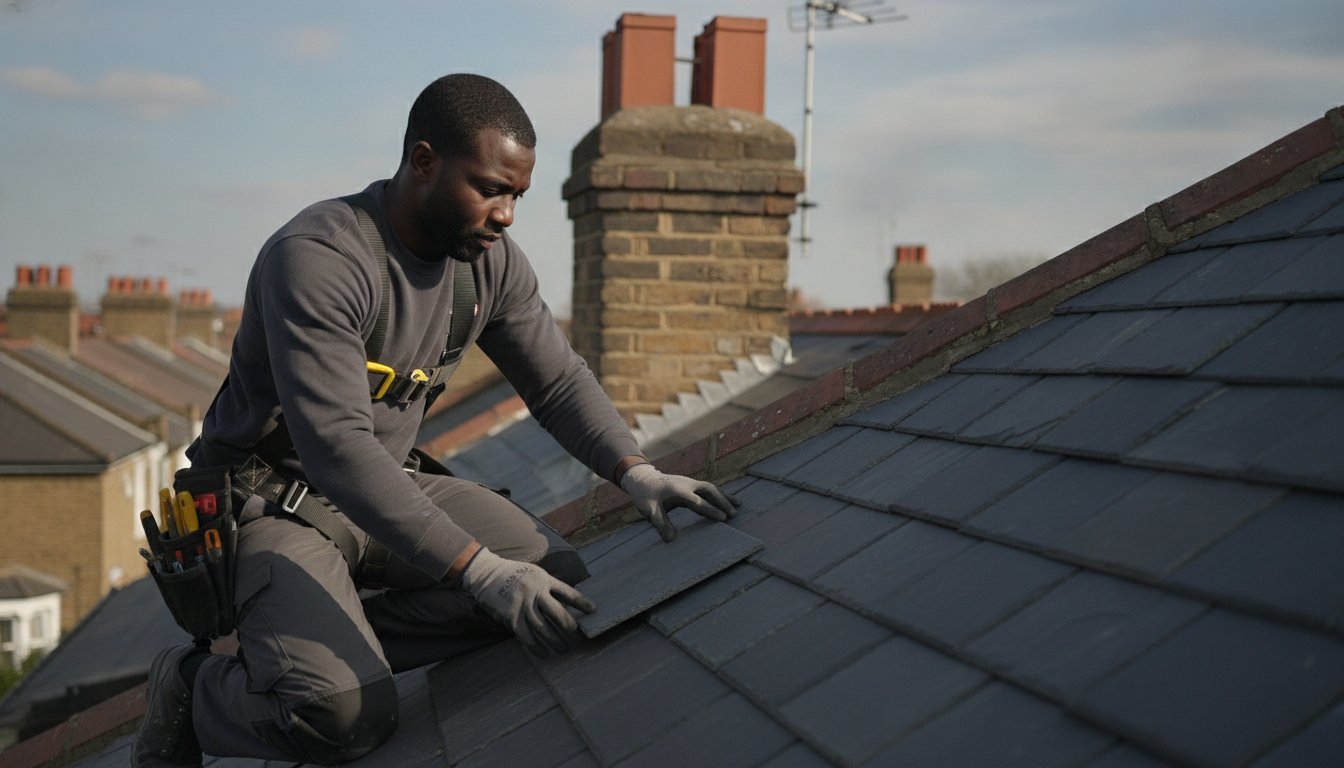
Could the invisible decay of a few century-old fixings be the silent precursor to a total roof failure this winter? For many residents living amongst Hackney’s 35 conservation areas, the elegance of a Victorian slate roof is often overshadowed by the fear of “nail sickness” causing sudden, dangerous slate slips. You likely take great pride in your property’s historical character, yet finding a specialist who truly understands traditional leadwork and slate roof maintenance Hackney can feel like a daunting task during the peak of a London winter.
We believe that preserving your home’s heritage shouldn’t be a source of constant stress or unpredictable expense. This professional guide provides a clear framework to help you protect your investment and avoid the high costs of emergency structural repairs. We will walk you through a seasonal checklist to help you identify minor issues before they become leaks, whilst ensuring your maintenance plan aligns with the latest 2026 Hackney Council design guidance and building regulations. By the end of this article, you will have the confidence to manage your roof’s health and maintain the aesthetic integrity of your period home.
Key Takeaways
- Understand that proactive slate roof maintenance Hackney involves a combination of regular visual inspections and minor repairs to prevent long-term structural damage.
- Learn how to identify “nail sickness” and slate delamination, which are the most common threats to the integrity of Hackney’s Victorian architectural heritage.
- Discover safe methods for conducting ground-level visual checks to spot slipped tiles and blocked gutters without the significant risks of DIY ladder work.
- Implement a structured seasonal plan, focusing on post-winter debris removal in spring and essential leadwork repairs during the dry summer months.
- Recognise the importance of using matched slates and professional leadwork to maintain the historical aesthetic harmony and market value of your period property.
What is Slate Roof Maintenance and Why Does Hackney Need It?
Slate roof maintenance Hackney involves a disciplined cycle of visual inspections, clearing gutter systems, and performing targeted tile replacements to ensure the building remains watertight. In a borough defined by its dense Victorian and Edwardian terraces, this upkeep is not merely cosmetic; it’s a structural necessity. Many properties in East London still rely on their original roof coverings, which were installed using methods and materials that are now over a century old. Proactive care ensures these historical assets continue to perform effectively against the elements.
Investing in regular maintenance offers a superior cost-benefit ratio compared to reactive repairs. Industry data suggests that a modest annual investment in professional upkeep serves as an insurance policy against the significant five-figure costs associated with a full roof replacement. Beyond the financial logic, maintaining a slate roof preserves the “heritage kerb appeal” that defines Hackney’s streets. A well-kept roof signalises a well-maintained home, directly influencing property valuations in competitive London markets.
The Longevity of Natural Slate
Natural slate is renowned for its durability, often remaining functional for over a century. However, the integrity of a roof depends on more than just the stone itself. The properties of slate roofing allow the tiles to resist fire and water, but the timber battens, mortar, and metal fixings often fail decades before the slate does. Homeowners should understand the common materials used in the area:
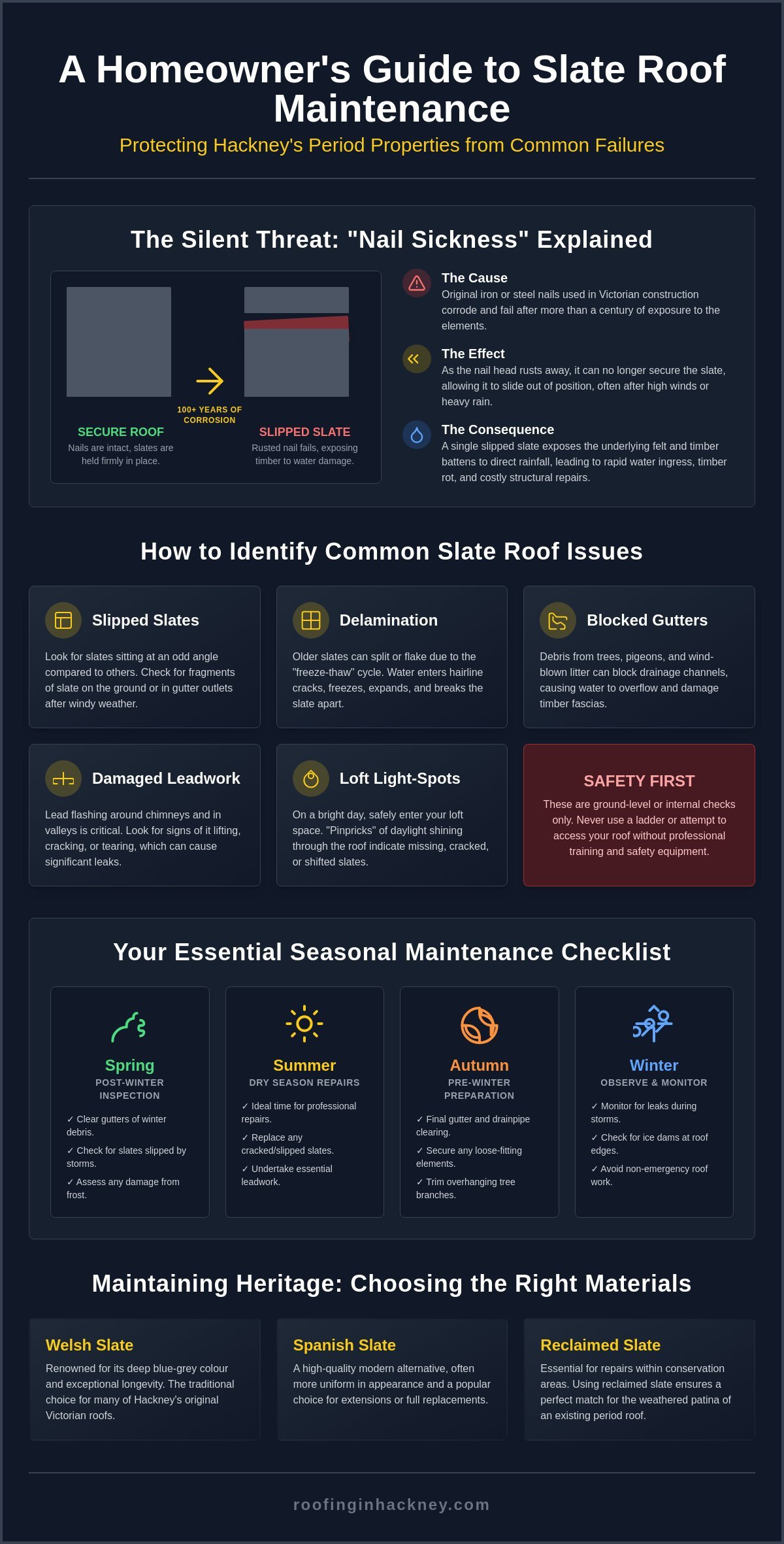
- Welsh Slate: Known for its deep blue-grey hue and exceptional longevity.
- Spanish Slate: A popular modern alternative, often more uniform in appearance.
- Reclaimed Slate: Essential for matching the weathered patina of existing Hackney roofs.
Within London conservation areas, heritage roofing refers to the specialised practice of using traditional materials and techniques to preserve the historical fabric of protected buildings.
Environmental Factors in East London
Hackney’s urban microclimate presents unique challenges for traditional materials. Decades of exposure to urban pollution can increase the porousness of older slates, making them more susceptible to damage. The “freeze-thaw” cycle is particularly destructive; water enters hairline cracks in delaminating tiles, expands as it freezes, and causes the slate to flake or split. Additionally, the high density of housing in East London leads to significant debris accumulation from urban pigeons and wind-blown litter. These factors can block drainage channels, leading to water ponding and accelerated timber rot if left unaddressed. Managing these risks through regular slate roof maintenance Hackney ensures your property remains a secure and valuable asset.
Identifying Common Slate Issues in Hackney Properties
Identifying problems early is the cornerstone of effective slate roof maintenance Hackney. Whilst slate itself is incredibly robust, the system holding it together is often the first to fail. In Hackney’s Victorian terraces, the most pervasive issue is “nail sickness.” This occurs when the original iron or steel nails used in the 19th and early 20th centuries succumb to corrosion. As the nail head rusts away, it no longer secures the tile, allowing it to slide out of position. This isn’t just an aesthetic issue; a single slipped slate leaves the underlying timber battens and felt exposed to direct rainfall, which can lead to rapid structural decay and costly timber rot. Understanding the full scope of slate roof repairs Hackney properties require is essential for distinguishing between isolated damage and systemic failure.
Spotting Nail Sickness and Slipped Slates
You don’t always need to climb a ladder to spot trouble. Visual cues like slates sitting at an odd angle or, more obviously, fragments of slate lying in your guttering or on the pavement are clear indicators of failure. If you have access to your loft space, a simple inspection on a bright day can reveal “pinpricks” of light where tiles are missing or have shifted. It’s vital to understand that “tingles”—those small strips of lead or copper used to hook a slipped slate back into place—are merely a temporary measure. According to the NPS guide to historic slate roof maintenance, widespread nail failure usually signals that the entire roof covering is reaching the end of its functional life.
Another common sight in East London is delamination. This is where the slate begins to flake into thin layers, often caused by the stone absorbing water over decades. If your roof looks “shaggy” or the slates appear swollen and soft, they are no longer providing a waterproof barrier. These damaged tiles will absorb moisture during a rainstorm, which then expands during the winter “freeze-thaw” cycles mentioned previously, accelerating the destruction of the stone.
Leadwork and Flashing Vulnerabilities
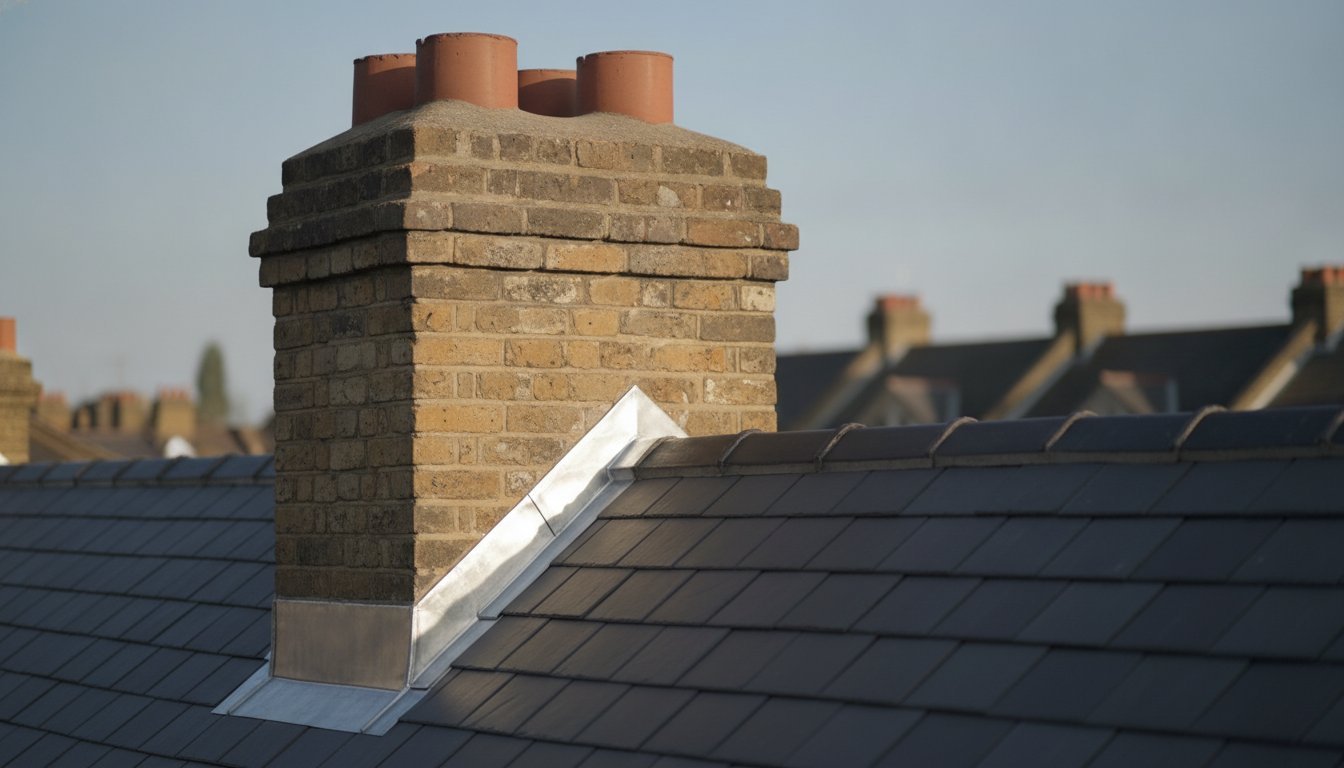
Whilst the slates often grab the attention, the leadwork in valleys and around chimneys is frequently the source of persistent leaks. Lead is a malleable material that expands and contracts with the sun. Over time, this leads to “fatigue,” resulting in visible splits or a white, powdery residue known as lead carbonate. Because Hackney’s terraces often share complex valley gutters, a failure in your neighbour’s leadwork can easily become your problem too. Ensuring you have expert leadwork Hackney is essential for maintaining a watertight seal where different roof planes meet.
If you’ve noticed damp patches on your upper ceilings or around chimney breasts, it’s worth having a professional assess the condition of these metal junctions. You can reach out to our team for a detailed evaluation of your roof’s current state before a minor split becomes a major internal repair bill.
Professional Roof Surveys vs. Homeowner Visual Checks
Effective slate roof maintenance Hackney requires a balanced approach between regular homeowner monitoring and periodic professional assessments. Whilst you can identify many surface-level issues from the safety of the pavement, certain structural vulnerabilities remain invisible to the untrained eye. Maintaining a period property in East London involves understanding when a simple visual check is sufficient and when the expertise of a master craftsman is required to ensure long-term stability.
Safety is the primary consideration for any homeowner. Hackney’s Victorian and Edwardian terraces often feature steep pitches and high elevations that make DIY ladder work exceptionally hazardous. We strongly advise against attempting to access your roof personally. Instead, modern technology allows for high-resolution monitoring from ground level. Using a pair of binoculars or a smartphone with a powerful optical zoom can provide a clear view of the slate courses and lead junctions without any physical risk.
The Ground-Level Inspection Guide
A systematic ground-level check should be performed at least twice a year. This allows you to spot the early warning signs of failure before they manifest as internal dampness. When conducting your walk-around, focus on these specific indicators:
- Garden and Pavement Debris: Look for small shards of slate or a fine grey dust, which suggests tiles are becoming brittle or delaminating.
- The Roof Line: Stand back from the property and check the horizontal line of the ridge. Any sagging or dipping can indicate underlying timber issues or failing battens.
- Mortar Condition: Inspect the “pointing” or mortar around chimney pots and gable ends; if it looks cracked or missing, water ingress is likely imminent.
When to Call a Hackney Slate Specialist
Professional surveys offer a level of detail that ground-level checks cannot match. A specialist doesn’t just look for missing tiles; they evaluate the entire roof system against National Slate Association standards. This includes checking the tensile strength of fixings and the condition of the timber deck. We often utilise drone surveys to inspect hard-to-access areas like internal valley gutters and high chimney stacks, providing a comprehensive view of the roof’s health without the need for expensive scaffolding.
We recommend a professional assessment if you notice the “Three Slate Rule”: if more than three slates have slipped or broken on a single slope, it usually indicates a systemic failure of the fixings rather than isolated damage. In such cases, understanding the full range of slate roof repairs Hackney specialists can provide will help you make an informed decision about the right course of action. Additionally, post-storm checks are non-negotiable in London to ensure that high winds haven’t loosened ridge tiles or lead flashing. You can contact us for a professional heritage roof assessment to gain a definitive understanding of your property’s condition and ensure its continued preservation.
Your Essential Seasonal Slate Roof Maintenance Checklist
Adopting a proactive schedule for slate roof maintenance Hackney is the most effective way to preserve the structural integrity of your property. Rather than waiting for a visible leak to appear, a seasonal approach allows you to address environmental wear and tear before it escalates into a major repair. By aligning your maintenance tasks with the changing London weather, you can ensure that your period home remains protected throughout the year.
Spring: Once the harsh winter weather subsides, conduct a thorough visual check for frost damage. Extreme cold can accelerate delamination in older slates, causing them to crack or flake. Look for any slates that may have been loosened by high winds or heavy snow. This is also the time to clear away any debris that has accumulated in the valleys during the winter months.
Summer: The dry, stable weather of the summer months provides the ideal window for essential leadwork repairs and chimney repointing. Mortar requires dry conditions to cure correctly, making this the best time to address any cracks in the chimney stack or gable ends. It’s also a safer period for professionals to inspect the high-pitched roofs typical of Hackney’s Victorian terraces.
Autumn: This is a critical period for gutter maintenance. Hackney’s urban plane trees produce large, waxy leaves that can quickly block drainage systems. If gutters are allowed to overflow, water can back up under the bottom course of slates, leading to timber rot in the rafters. Ensure all downpipes are running clear before the winter rains begin.
Winter: During the coldest months, focus on internal monitoring. Check your upper-floor ceilings for “ghosting”—dark, damp-looking streaks that often indicate moisture is penetrating the roof covering. After heavy snowfall, observe how the snow melts; uneven melting patterns can sometimes highlight areas of heat loss or poor insulation that need addressing.
Monthly and Quarterly Vigilance
Small, regular interventions can prevent significant issues. We recommend keeping an eye on the following elements every few months:
- Organic Growth: Remove moss and lichen from the slate surface. These organisms act like sponges, holding moisture against the stone and increasing the risk of frost damage.
- Ridge Tiles: Check the “pointing” or mortar between the ridge tiles at the very top of the roof. If you see gaps or loose mortar, the ridge tiles may become unstable in high winds.
- Drainage: Confirm that water is flowing freely into the hopper heads and downpipes, especially after a typical London downpour.
Long-term Maintenance Milestones
Beyond the seasonal checks, certain milestones require professional attention. Every five years, you should commission a professional “health check” survey to evaluate the tensile strength of the slate fixings. Every ten years, a detailed inspection of lead valleys and chimney flashings is necessary to check for signs of metal fatigue or splitting. For any repairs, remember that Hackney’s conservation area regulations require “like-for-like” material replacement to maintain the historical fabric of the building. If you’ve noticed any seasonal warning signs, you can book a professional inspection with our team to secure your home.
Expert Slate Restoration and Leadwork Services in Hackney
Expert slate restoration requires a deep understanding of how individual components work as a unified system. At Roofing in Hackney, we operate as the local authority on traditional slate and leadwork, ensuring that every repair respects the architectural integrity of East London’s period properties. Whilst a general builder might offer a quick fix, our approach to slate roof maintenance Hackney focuses on long-term structural health. We utilise high-quality, matched slates to maintain the visual harmony of your roofline, ensuring that any new additions are indistinguishable from the original stone.
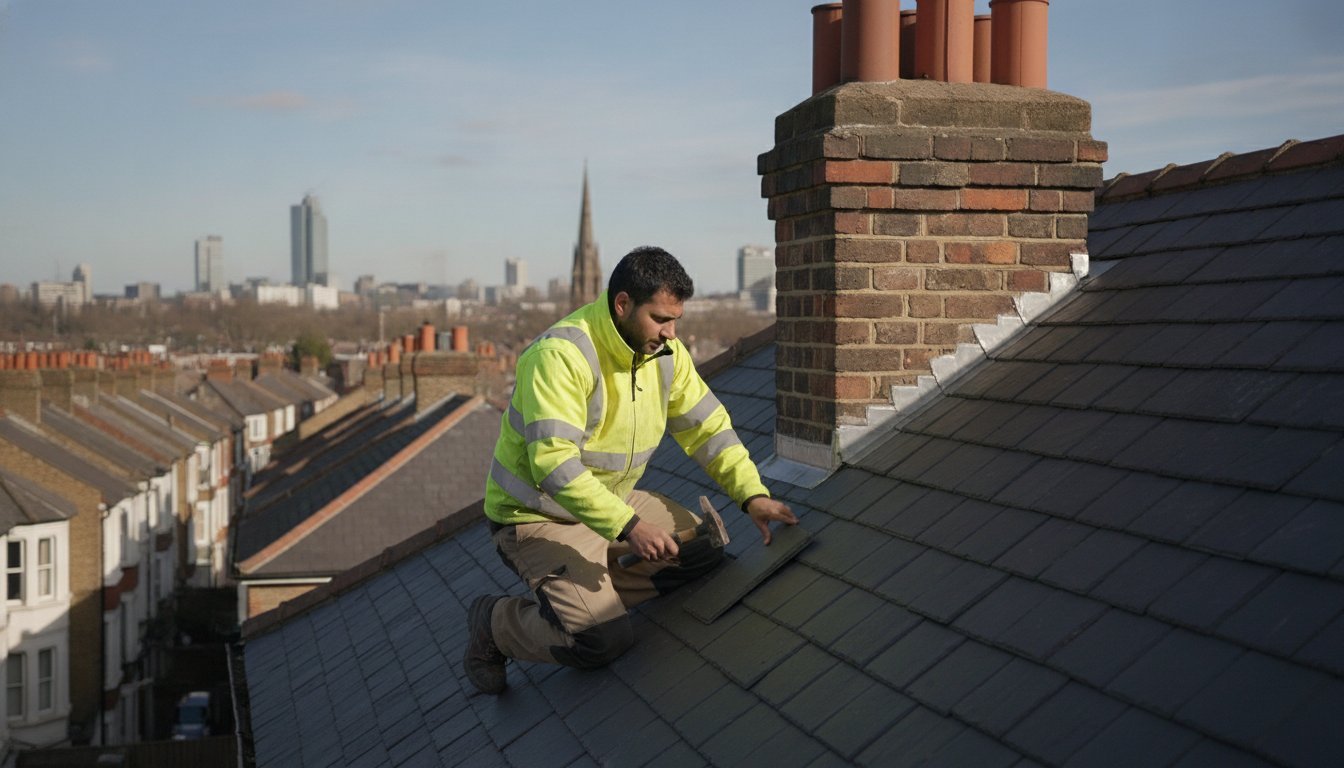
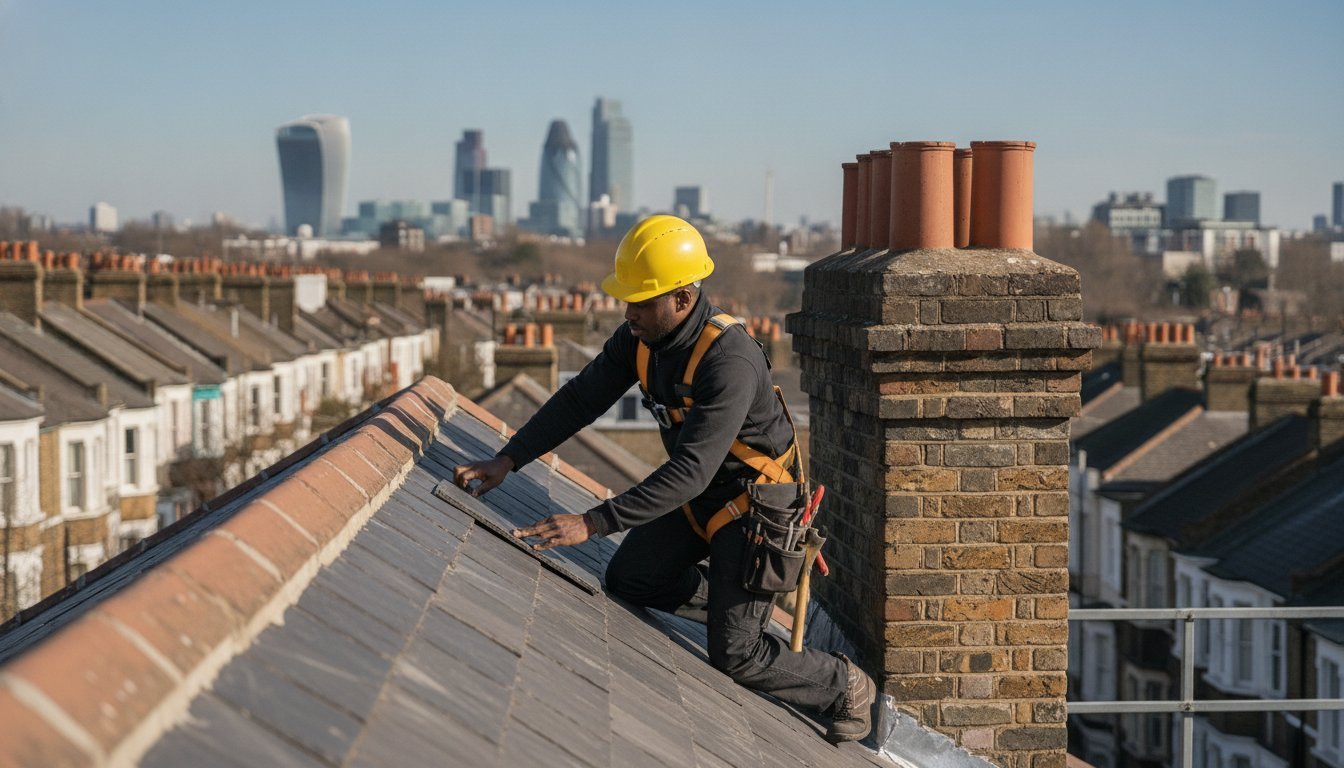
Durability is at the heart of our craftsmanship. When restoring a roof, we replace corroded iron nails with modern, corrosion-resistant stainless steel or copper fixings. These materials eliminate the risk of future nail sickness, providing a secure foundation that can last for generations. By addressing the slate, leadwork, and chimney stacks simultaneously, we provide a comprehensive seal that protects your home from the top down. This holistic method ensures that no single component becomes a weak point in your property’s defences. Homeowners seeking a broader understanding of how these services fit within the wider context of roofing for period homes Hackney residents rely on can find detailed guidance on meeting both conservation requirements and modern performance standards.
Preserving Hackney’s Victorian Heritage
Our commitment to Hackney’s architectural history is reflected in our use of traditional methods and materials. We understand the specific requirements of the borough’s 35 conservation areas and the necessity of “like-for-like” replacements. You can learn more about us and our extensive experience with East London period homes. For those requiring more than routine maintenance, our expertise in slate roofing Hackney extends to full-scale heritage restorations that meet the highest modern standards.
Comprehensive Chimney and Lead Solutions
We never simply “patch” a roof. A patch is a temporary solution that often masks deeper issues of moisture entry. Instead, we identify and resolve the underlying causes of leaks, whether they originate from fatigued lead valleys or porous chimney mortar. This integrated service often includes roof insulation upgrades, which help Hackney homeowners meet current building regulation standards for thermal performance whilst the roof is being maintained. Proactive slate roof maintenance Hackney is the most effective way to manage a period building. Secure your home’s future and protect its market value by establishing a professional maintenance plan. You can contact our team to discuss a tailored strategy for your property.
Protecting Your Hackney Heritage for the Decades Ahead
Maintaining a period property in East London is a long-term commitment that requires both vigilance and specialised knowledge. By following a structured seasonal checklist and identifying the early warning signs of nail sickness or lead fatigue, you can prevent minor slips from escalating into significant structural failures. Consistent slate roof maintenance Hackney ensures that your home remains watertight whilst preserving the unique historical aesthetic that defines our local neighbourhoods.
As local contractors with deep expertise in East London architecture, we specialise in Victorian and Georgian heritage roofing. Our integrated services combine expert leadwork and chimney repair with traditional slating techniques to provide a durable, professional solution for your property. We understand the specific requirements of Hackney’s conservation areas and take pride in delivering craftsmanship that stands the test of time. It’s about doing things the right way to protect your investment. For a comprehensive overview of the planning considerations and material standards that apply to older buildings across the borough, the 2026 heritage resource guide for roofing period homes in Hackney provides an invaluable reference point for any homeowner planning maintenance or restoration work.
Book a Professional Slate Roof Inspection in Hackney to secure your property’s future. Proactive care is the most effective way to ensure the long-term security, efficiency, and value of your home.
Frequently Asked Questions
How often should I have my slate roof inspected in Hackney?
You should arrange a professional inspection at least once a year, preferably in early spring. This timing allows you to identify any damage caused by winter “freeze-thaw” cycles or high winds. Whilst homeowners should perform ground-level visual checks every season, a specialist survey every few years is essential to evaluate the condition of hidden fixings and timber battens.
What is “nail sickness” and can it be fixed without a full reroof?
Nail sickness refers to the corrosion of the original iron or steel nails holding the slates in place. If the failure is limited to a small area, isolated repairs using stainless steel or copper fixings can resolve the issue. However, if slates are slipping across the entire roof, a “strip and reroof” is usually required, where we carefully remove and then reinstall your original slates using modern, durable nails.
Is it normal for a few slates to slip every year?
No, it’s not normal for slates to slip regularly. Each slipped slate is a warning sign that the fixing system is failing or that the stone itself is delaminating. Whilst a single slip might be caused by extreme weather, multiple occurrences suggest a systemic problem that requires professional slate roof maintenance Hackney to prevent water from reaching the internal roof timbers.
Can I replace a single missing slate myself?
We strongly advise against DIY slate replacement due to the significant safety risks and technical requirements. Hackney’s Victorian terraces often have steep pitches that require professional roof ladders and fall-protection equipment. Additionally, correctly installing a slate requires specialist tools like a slate ripper and a nuanced understanding of how to overlap the stone to ensure a watertight seal.
How much does a typical slate roof maintenance check cost in London?
The cost of a maintenance check depends on the size of your property and the complexity of the roof’s design. A professional assessment is a strategic investment that identifies minor vulnerabilities before they escalate into expensive structural repairs. Most homeowners find that the peace of mind provided by an expert survey far outweighs the potential costs of unaddressed leaks and internal dampness.
Do I need planning permission to repair a slate roof in a Hackney conservation area?
Like-for-like repairs using identical materials typically do not require planning permission. However, if your property is a listed building or you intend to change the type of slate used, you must consult Hackney Council. The 2026 Supplementary Planning Document (SPD) provides specific guidance on maintaining the borough’s architectural heritage, and unauthorised works on protected buildings can result in legal action.
Why is leadwork so important for my slate roof’s longevity?
Leadwork provides the essential waterproof seal at junctions where slates meet chimneys, valleys, or walls. Whilst slate is naturally impermeable, the joints of a roof are its most vulnerable points. If the lead flashings crack or pull away due to thermal expansion, water will enter your home regardless of how well the slates themselves are maintained.
What is the best type of slate for a Victorian terrace in East London?
Welsh slate remains the superior choice for Victorian properties due to its exceptional longevity and authentic appearance. For many Hackney homeowners, reclaimed Welsh slate is the preferred option as it provides an immediate visual match with the weathered patina of the surrounding terrace. High-quality Spanish slates are also a viable modern alternative, provided they meet the required British Standards for thickness and durability.