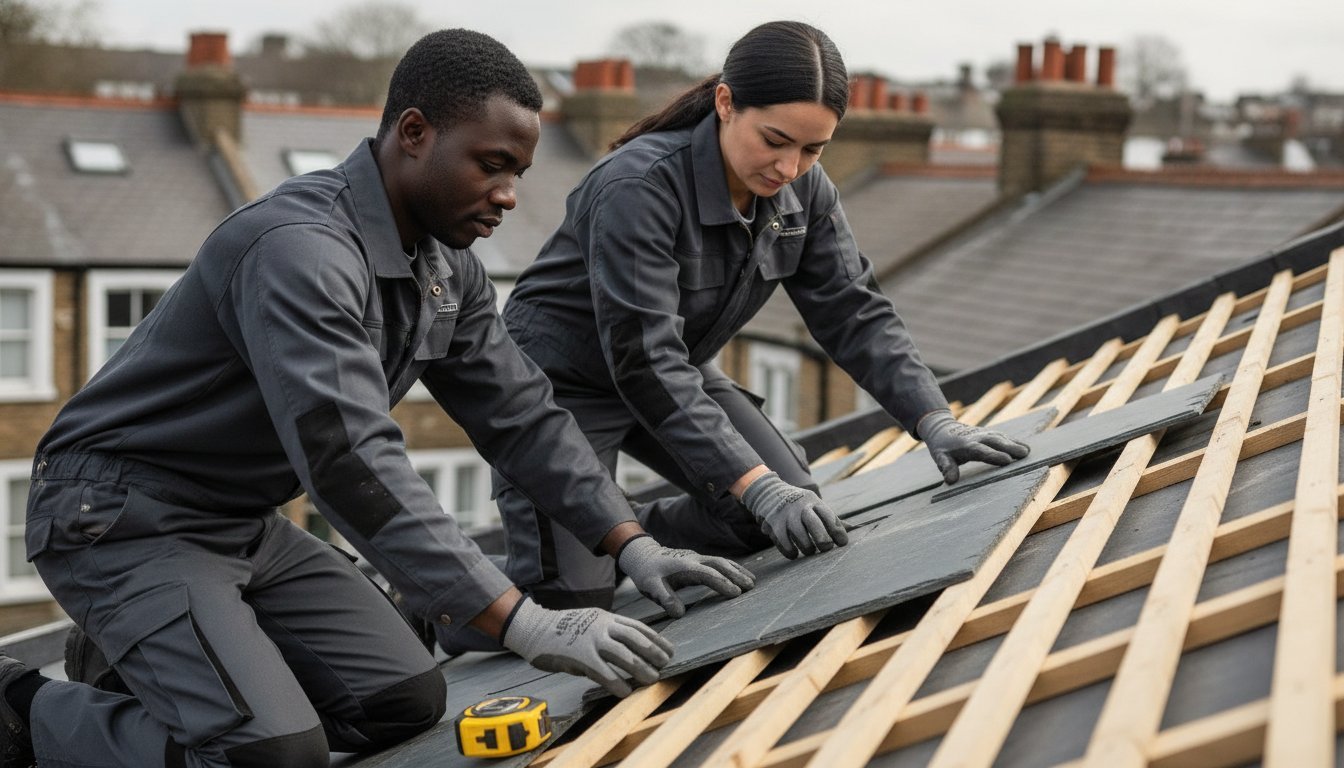
What if the most expensive part of your Hackney roof replacement isn’t the slate or the tiles, but the cost of failing to meet the borough’s strict 2026 conservation standards? It’s a common concern for homeowners across East London who feel caught between rising scaffolding costs and the intricate requirements of the Hackney Council planning portal. You likely want a solution that balances traditional aesthetics with modern thermal performance, yet finding a specialist who understands both heritage leadwork and current Part L Building Regulations can feel like a significant challenge.
We understand that a new roof is a major investment in your property’s longevity and value. This guide provides the expert clarity you need to manage a roof replacement Hackney project with confidence. You’ll learn how to navigate the 2026 Residential Extensions and Alterations SPD, choose materials that satisfy conservation officers, and potentially access council grants of up to £20,000 for comprehensive repairs. From understanding “consequential improvements” to selecting durable natural slate, we have outlined the essential steps to ensure your home remains weather-tight and energy-efficient for years to come.
Key Takeaways
- Learn how to evaluate the structural integrity of your property to determine when a professional roof replacement Hackney becomes more cost-effective than ongoing patch repairs.
- Navigate the complexities of the 2026 Hackney Council conservation rules and identify which material choices will satisfy local planning officers.
- Discover the essential technical requirements for upgrading roof insulation to ensure full compliance with the latest Part L Building Regulations.
- Compare traditional Welsh and Spanish slates against modern flat roofing solutions to achieve the perfect balance between Hackney’s heritage and 21st-century durability.
- Gain practical insights into budgeting for London-specific project costs, including the logistical management of scaffolding permits and site access in narrow residential streets.
Identifying the Need for a Full Roof Replacement in Hackney
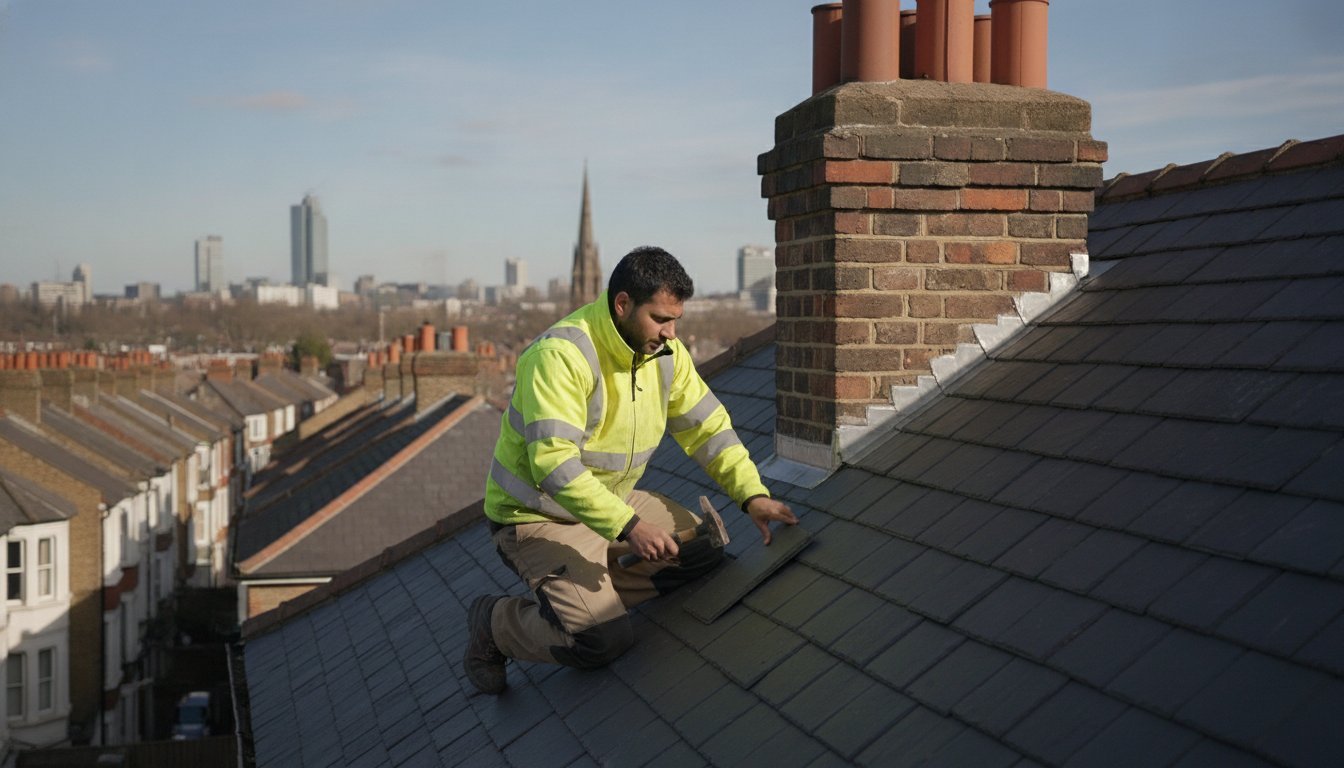
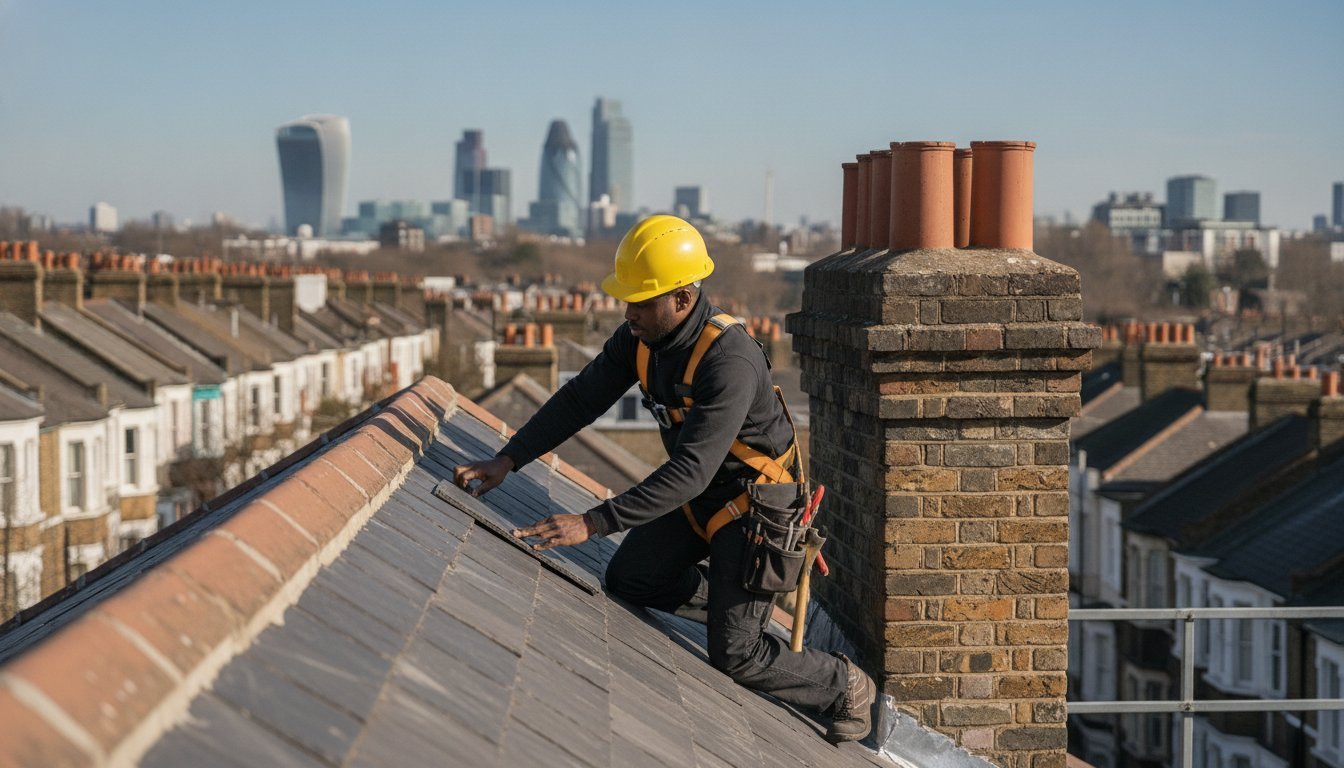
Hackney’s skyline is defined by its historic terraces, but the materials protecting them aren’t immortal. Victorian slate roofs often reach their natural limit after 80 to 100 years. Whilst these materials are incredibly durable, the fixings and timber structures beneath them eventually succumb to age and the relentless East London weather. Deciding between a minor repair and a full roof replacement Hackney is often a matter of evaluating whether you’re addressing a symptom or a systemic failure.
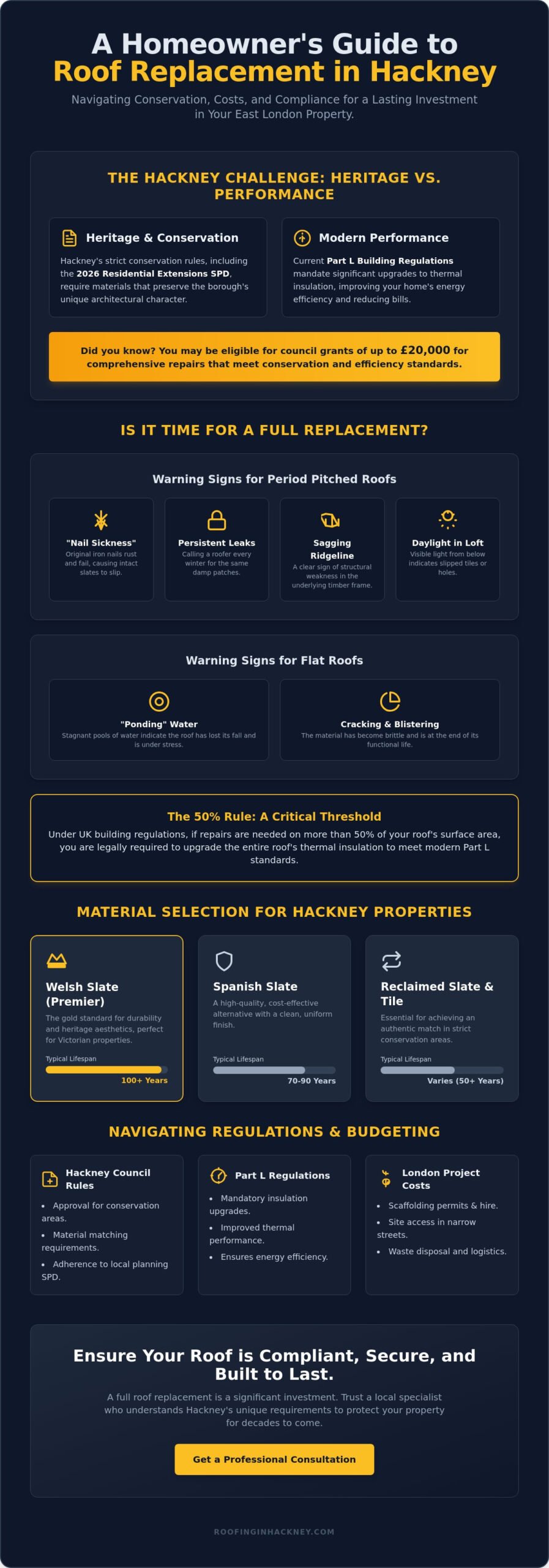
When assessing your options, it’s helpful to understand the range of commercially available roofing materials that can replace aged systems. If you find yourself calling out a roofer every winter for the same leak, you’ve likely crossed the threshold where patching is no longer cost-effective. Persistent internal damp, sagging ridgelines, or daylight visible through the attic floor are clear indicators that the roof’s structural integrity is compromised. Under current UK building regulations, if the area requiring repair exceeds 50% of the total roof, you’re often required to bring the entire structure up to modern thermal standards. This regulation makes a roof replacement Hackney a strategic opportunity to improve your home’s energy efficiency whilst securing its future.
Signs of Failure in Period Properties
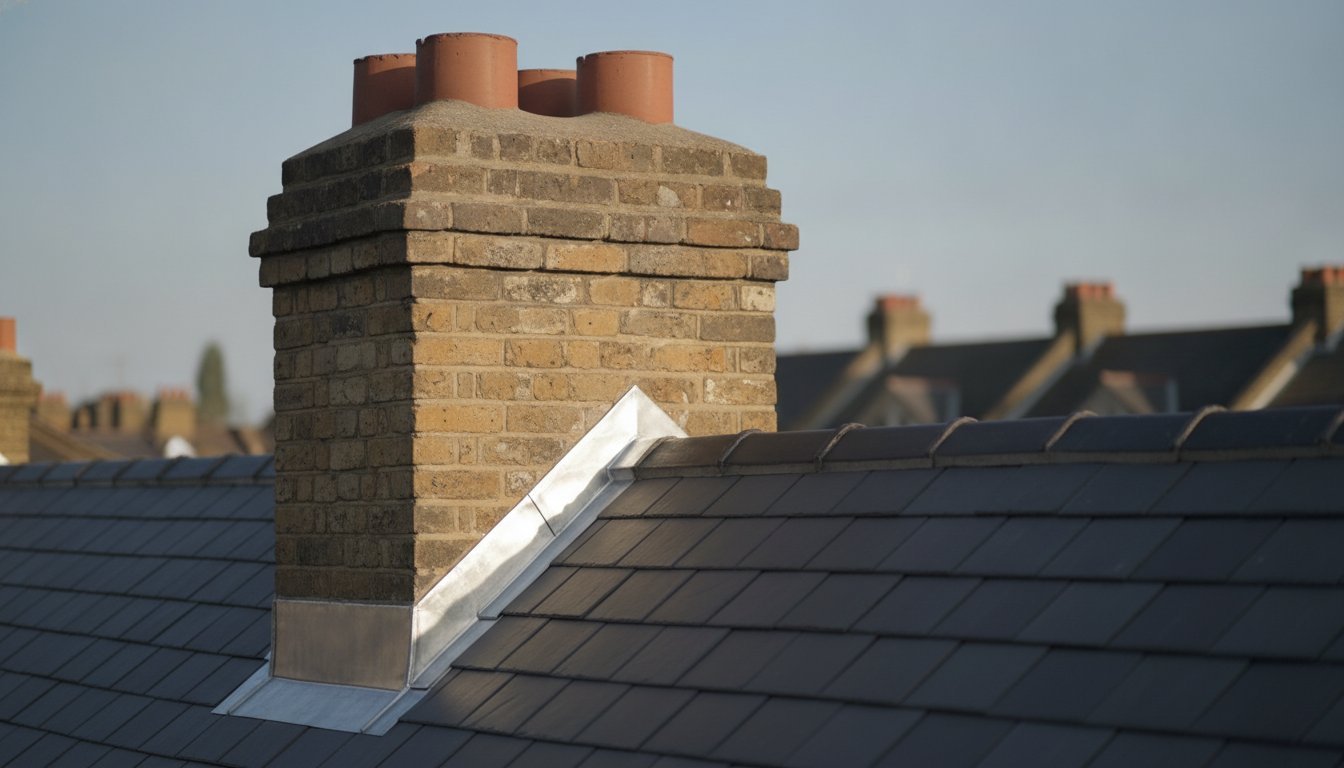
Original Victorian roofs in areas like Dalston or Stoke Newington frequently suffer from “nail sickness”. This occurs when the iron nails used to secure the slates rust away, causing tiles to slip despite being perfectly intact. You should also inspect your chimney stacks. Victorian chimney stacks are often exposed to high winds and pollution, which accelerates mortar decay. If the masonry appears loose or the lead flashing has thinned and cracked due to thermal expansion, it often hides significant timber rot within the roof’s internal structure.
Flat Roof Warning Signals
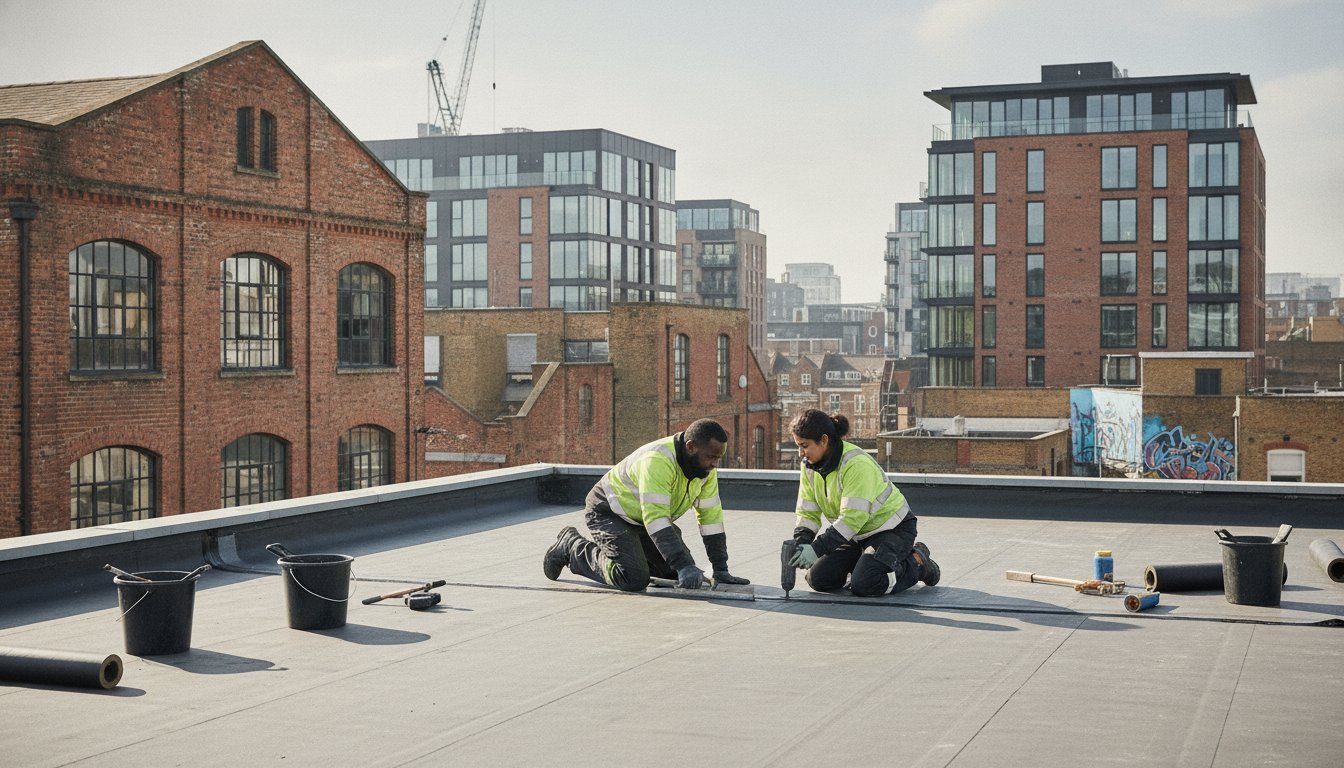
Many Hackney extensions use older felt or bitumen systems that have a much shorter lifespan than pitched roofs. Look for “ponding”, where water sits in stagnant pools after rain. This weight stresses the structure and indicates the roof has lost its necessary fall. Cracking, blistering, or a “crazed” appearance in the surface are signs that the material has become brittle and reached the end of its functional life. Upgrading to modern high-performance membranes, such as EPDM or single-ply systems, offers a more resilient, weather-tight solution that requires far less maintenance than traditional felt.
Selecting Materials: Matching Hackney’s Architectural Heritage
Selecting the right materials for a roof replacement Hackney is a process that requires balancing historical sensitivity with 21st-century performance. The borough’s architectural landscape is diverse, ranging from the ornate Victorian terraces of Stoke Newington to the mid-century developments in Haggerston. Choosing a material that clashes with the local streetscape doesn’t just impact your home’s kerb appeal; it can also lead to complications with local planning authorities.
The Slate Specialist’s Framework
Welsh slate is widely regarded as the finest roofing material in the world. It offers a lifespan that often exceeds 100 years, making it the premier choice for homeowners seeking a permanent solution. Spanish slate provides a more cost-effective alternative whilst still offering high levels of durability and a clean, uniform finish. For those living in strict conservation areas, sourcing reclaimed Welsh slate is often the best way to achieve an authentic match for the original roof.
Precision leadwork is the critical component that binds these materials together. High-quality lead flashing around chimneys and in valley gutters is non-negotiable for a weather-tight finish. For properties built in the mid-20th century, clay tiles remain a popular choice for their natural colour and weathering properties, whereas concrete tiles offer a robust and economical alternative for modern builds. Regardless of your choice, ensuring your project meets Building Regulations approval is essential for any structural change.
Modern Solutions for Flat Roof Extensions
Extensions and loft conversions in East London often require a different technical approach. EPDM rubber roofing has become a favoured material due to its exceptional longevity and ability to withstand extreme temperature fluctuations without cracking. For balconies or terraces where foot traffic is expected, GRP fibreglass provides a seamless, hard-wearing surface. This material is particularly effective for those seeking a durable, maintenance-free finish.
Modern flat roof build-ups now incorporate high-performance rigid PIR insulation boards. This ensures that your roof replacement Hackney isn’t just waterproof, but also meets the latest thermal efficiency standards required by Part L. If you are uncertain which material best suits your property’s specific structural needs, consulting a specialist in slate roofing can provide the technical clarity required before work begins.
Navigating Hackney Council Regulations and Conservation Areas
Hackney possesses one of the most complex planning landscapes in London. With over 25% of the borough designated as conservation areas, a roof replacement Hackney project requires more than just technical skill; it demands a thorough understanding of local statutory requirements. Failing to account for these rules before work begins can lead to enforcement action or complications when you eventually decide to sell your property. Managing these regulations is a structured process that ensures your home remains compliant whilst contributing to the area’s architectural integrity.
Heritage and Conservation Standards
If your property is located in sensitive zones such as De Beauvoir, Victoria Park, or the Northwold and Cazenove conservation areas, your choice of materials is strictly governed. Hackney Council typically requires an exact match for the original roofing. This often means using natural Welsh slate or specific clay tiles that align with the historic streetscape. Many streets are also subject to Article 4 directions, which remove certain permitted development rights. You should always verify your property’s status on the Hackney Council planning portal. For homes in these areas, we prioritise the use of traditional leadwork and reclaimed materials to ensure the finished result satisfies conservation officers and preserves the building’s character.
Building Regulations and Insulation Upgrades
A full roof replacement Hackney triggers a mandatory requirement to comply with Part L of the Building Regulations. This legislation dictates that if you are renovating more than 50% of a roof’s surface area, the thermal insulation must be upgraded to meet current energy efficiency standards. This is a “consequential improvement” designed to reduce carbon emissions and lower your heating costs.
There are two primary ways to achieve this:
- Warm Roof Configuration: Insulation is placed above the rafters, keeping the entire structure within the “thermal envelope” of the building. This is often the preferred choice for flat roofs or loft rooms.
- Cold Roof Configuration: Insulation is laid between and over the ceiling joists. This is a common solution for traditional pitched roofs with unused loft space.
Securing a Building Regulations Completion Certificate is a vital final step. This document serves as legal proof that the work was inspected and authorised by Building Control. It’s a critical piece of paperwork for your “Home Information Pack” and is almost always requested by solicitors during the conveyancing process. By following this methodical approach to compliance, you protect your investment and ensure your new roof adds genuine, documented value to your East London home.
Evaluating Costs and Long-term Value in East London
Investing in a roof replacement Hackney is a decision that extends far beyond mere aesthetics. It’s about protecting a high-value asset in one of London’s most competitive property markets. While the initial outlay is a significant capital expenditure, the long-term return on investment is found in reduced maintenance, enhanced thermal performance, and the prevention of costly structural damage. Understanding the variables that drive these costs helps you move from a point of uncertainty to a clear, well-organised project plan. For a transparent breakdown of what you can expect to pay in 2026, our detailed guide to Hackney roof replacement cost covers the key pricing factors specific to this borough.
The total cost is influenced by three primary factors: the footprint of the building, the pitch of the roof, and your choice of materials. A steep Victorian gable requires more material and more complex safety measures than a shallow mid-century pitch. However, in a dense urban environment like East London, the logistical “Scaffolding Factor” often plays a larger role in the final budget than many homeowners expect.
Logistical Considerations in Hackney
Hackney’s geography presents unique challenges for any major building project. Narrow residential streets in areas like Lower Clapton or Shoreditch require precise scaffolding planning. If the scaffold needs to be erected on a public pavement, you’ll need a licence from Hackney Council, which carries its own set of fees and compliance rules. Waste removal also requires careful coordination. In parking-constrained zones, placing a skip often necessitates a parking suspension. These administrative and logistical steps must be managed methodically to ensure the project stays on programme. Poor site access can extend the timeline, so using a local specialist who understands these neighbourhood constraints is essential for keeping costs predictable.
Investment and Thermal Efficiency
Modern roof insulation is one of the most effective ways to lower your home’s carbon footprint and energy bills. While we previously discussed the legal requirements of Part L, the financial “payback” is equally compelling. By installing high-performance PIR boards or mineral wool during a full replacement, you create a more consistent “thermal envelope”. This reduces the load on your heating system, leading to year-on-year savings that eventually offset the cost of the upgrade.
The value of craftsmanship shouldn’t be overlooked. Professional leadwork around valleys and chimney stacks is a specialist skill that prevents water ingress for decades. When these details are executed correctly, you avoid the recurring internal repair costs associated with damp and timber rot. Most modern roofing systems also come with robust warranty periods, providing the calm dependability you need when making a major structural investment. If you’re ready to secure your property’s future, you can request a detailed technical assessment for your Hackney home today.
Choosing a Local Expert: The Roofing in Hackney Approach
Selecting a partner for a roof replacement Hackney requires more than just comparing quotes. It involves choosing a team that understands the specific architectural DNA of East London. Our approach is rooted in a blend of traditional master craftsmanship and contemporary technical standards. We don’t just install materials; we provide a structured, expert-led service that prioritises the long-term structural integrity of your home. By focusing on quality over speed, we ensure that every project we undertake meets the high expectations of the community we serve.
Being a Hackney-based specialist offers distinct advantages for our clients. We possess an intimate knowledge of the borough’s conservation areas and have established working relationships with local planning authorities. This local insight allows us to navigate the logistical complexities of London streets with calm efficiency. From managing scaffolding permits to coordinating waste removal in restricted parking zones, our familiarity with the area ensures your project moves forward without unnecessary delays or administrative friction.
Master Craftsmanship in Every Detail
Our technical proficiency is most visible in our specialised slate roofing and precision leadwork. We understand that a roof is only as strong as its weakest detail, which is why we dedicate significant time to the intricate junctions around chimneys and valleys. Our team is trained to work with both heritage materials and modern high-performance membranes, ensuring a seamless finish regardless of your property’s age. To minimise disruption, we organise our workflows into clear, predictable phases. This methodical approach keeps your home secure and weather-tight throughout the entire transition, providing the peace of mind that comes from working with seasoned professionals.
For local business owners or organisers looking to reflect this same level of professionalism through high-quality custom apparel, you can visit RAW Merch to explore their UK-based printing and merchandise services.
Getting Started with Your Replacement
The first step in our process is a comprehensive, no-obligation technical survey. During this visit, we assess the current condition of your roof structure, identify any underlying timber rot, and evaluate your insulation needs. This data allows us to create a bespoke material and thermal package tailored specifically to your property’s requirements and your budget. We believe in total transparency, providing a clear breakdown of the work required from the initial survey to the final Building Control sign-off. If you are ready to invest in a durable, high-performance solution for your home, you can Contact Roofing in Hackney for a professional consultation and a detailed assessment of your project.
Securing Your Property’s Future in Hackney
A successful roof replacement Hackney project is defined by more than just new tiles. It’s the culmination of careful material selection, strict adherence to 2026 Building Regulations, and a deep respect for the borough’s unique architectural heritage. By prioritising high-performance insulation and precision leadwork, you don’t just protect your home from the elements; you significantly enhance its thermal efficiency and long-term market value. Navigating the logistical hurdles of scaffolding permits and conservation area constraints is far more manageable when you work with a partner who understands the local landscape.
We are specialists in traditional slate and heritage leadwork, offering expert knowledge of Hackney Conservation Area requirements alongside comprehensive insulation and chimney repair services. If you’re ready to move forward with a secure investment, Book a Professional Roof Survey with Roofing in Hackney to receive a detailed technical assessment. Your home deserves the standard of craftsmanship that only a dedicated local expert can provide.
Frequently Asked Questions
Do I need planning permission for a roof replacement in Hackney?
You don’t typically need planning permission for a like-for-like roof replacement Hackney project under permitted development rights. However, if your property is in one of the borough’s many conservation areas or is a listed building, you must seek council approval. Altering the roof’s height or shape also triggers the need for a formal application. Always verify your property’s status via the Hackney Council planning portal before commencing work.
How much does a typical roof replacement cost in East London?
The total investment for a new roof depends on the property’s size, the pitch of the roof, and the chosen materials. In East London, logistical factors such as scaffolding permits for narrow streets and waste disposal also influence the final budget. A complex Victorian terrace with natural slate will require a different budget than a modern flat roof extension. For a comprehensive overview of what shapes your total spend, our 2026 guide to Hackney roof replacement cost provides detailed local pricing insights. We provide detailed, bespoke technical assessments to ensure price transparency.
How long does it take to replace a roof on a Victorian terrace?
A standard roof replacement on a mid-terrace Victorian property typically takes between one and two weeks to complete. This timeline includes the initial scaffolding erection, the removal of old materials, structural timber repairs, and the installation of new slate and leadwork. Unfavourable weather conditions or complex chimney restorations can extend this period. We prioritise a methodical workflow to minimise disruption and ensure your home remains weather-tight throughout.
What is the best material for a flat roof extension in Hackney?
EPDM rubber and GRP fibreglass are the premier choices for modern flat roof extensions. EPDM is highly valued for its exceptional durability and resistance to UV radiation, whilst GRP provides a seamless, hard-wearing surface ideal for balconies. Both materials offer significantly longer lifespans than traditional felt. Your choice should align with the structural requirements of the extension and your desired aesthetic finish.
Do I have to upgrade my loft insulation when replacing my roof?
Yes, UK Building Regulations require an insulation upgrade if you are replacing more than 50% of your roof’s surface area. This is known as a “consequential improvement” under Part L. Upgrading to modern thermal standards reduces heat loss and lowers energy bills. Whether you opt for a warm or cold roof configuration, the work must be signed off by Building Control to ensure full compliance.
Can you replace a roof during the winter months in London?
Roof replacements can be carried out year-round in London, including during the winter months. We use high-quality temporary coverings and work in managed sections to keep your property protected from rain and wind. Whilst shorter daylight hours and frost can occasionally affect the pace of work, a professional team can maintain structural security regardless of the season. Planning your project for winter can often result in better contractor availability.
Will a new roof increase the value of my Hackney property?
A professionally installed roof is a significant asset that increases both the kerb appeal and the structural value of your Hackney property. It provides prospective buyers with the security of a long-term warranty and documented proof of building regulation compliance. In a competitive market, a new roof with high-performance insulation and traditional slate craftsmanship can be a decisive factor in securing a higher sale price. To further enhance this investment, many residents choose bespoke interior updates from Bowkirk Kitchens & Bedrooms to ensure the inside of the home matches the quality of the exterior.
What is lead fatigue and why is it common in Hackney homes?
Lead fatigue occurs when old lead flashing cracks due to decades of thermal expansion and contraction. It’s common in Hackney’s Victorian and Edwardian housing stock where original leadwork has reached the end of its functional life. These small cracks allow water to seep into the roof’s timber structure, often causing hidden rot. Replacing fatigued lead with correctly sized, modern milled lead is essential for a permanent, weather-tight seal.