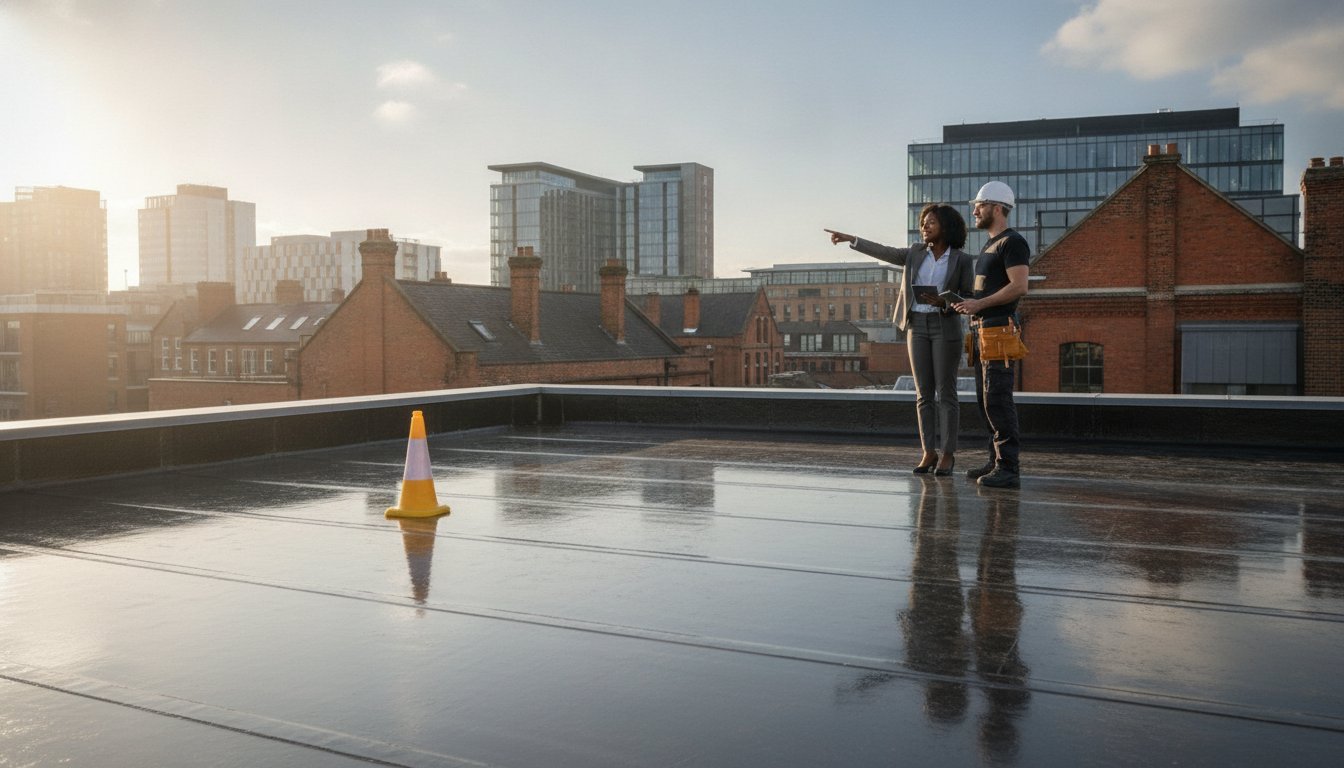
With prime rents in the City of London reaching £130.80 per square foot in 2026, every square inch of your property must perform at its peak. Your roof is no longer just a structural necessity; it is a high-performance asset that determines your building’s market value and its compliance with the latest environmental mandates. Securing reliable commercial roofing Hackney services is now a strategic priority for property managers who need to balance heritage preservation with the rigorous demands of modern energy efficiency.
We recognise the stress that comes with navigating the January 2026 Hackney Retrofit SPD and the strict 0.16 W/m²K U-value requirements for major renovations. This guide provides a clear roadmap for selecting and maintaining roofing systems that protect your investment whilst minimising business disruption. You will learn how to align your project with Hackney Council planning guidelines, improve thermal performance to lower utility costs, and ensure your building remains a durable, leak-free environment for years to come. By focusing on technical precision and local expertise, you can transform a maintenance obligation into a long-term commercial advantage.
Key Takeaways
- Learn how to navigate the specific structural requirements of commercial roofing Hackney, particularly when managing heritage Victorian warehouses and modern industrial workspaces.
- Understand the 2026 Part L building regulations and how thermal roof insulation upgrades can secure higher EPC ratings and lower operational costs.
- Discover the most durable material choices for Hackney’s diverse architecture, comparing the longevity of traditional slate with modern flat roofing systems.
- Identify the critical health and safety protocols required for projects on busy East London streets, including CDM 2015 compliance and scaffolding logistics.
- Explore how methodical project management and local expertise can minimise business disruption during significant roofing replacements or upgrades.
The Hackney Commercial Landscape: Tailoring Roofing to Local Architecture
Hackney’s architecture is a tapestry of industrial heritage and contemporary design. For any property manager, understanding this diversity is the first step in successful asset management. Effective commercial roofing Hackney requires more than just technical skill; it demands an appreciation for the specific building types found from the creative hubs of Shoreditch to the retail centres of Mare Street. Each structure carries its own set of risks and requirements that a generic approach simply cannot address.
The borough’s urban fabric is defined by its contrast. You’ll find century-old workshops sitting directly alongside glass-fronted office developments. This proximity means that roofing projects often face complex logistical hurdles, including tight access on busy East London streets and the need to respect the aesthetic continuity of the neighbourhood. Our role is to provide a steady, expert hand that navigates these local nuances with precision.
Victorian Warehouses and Period Business Premises
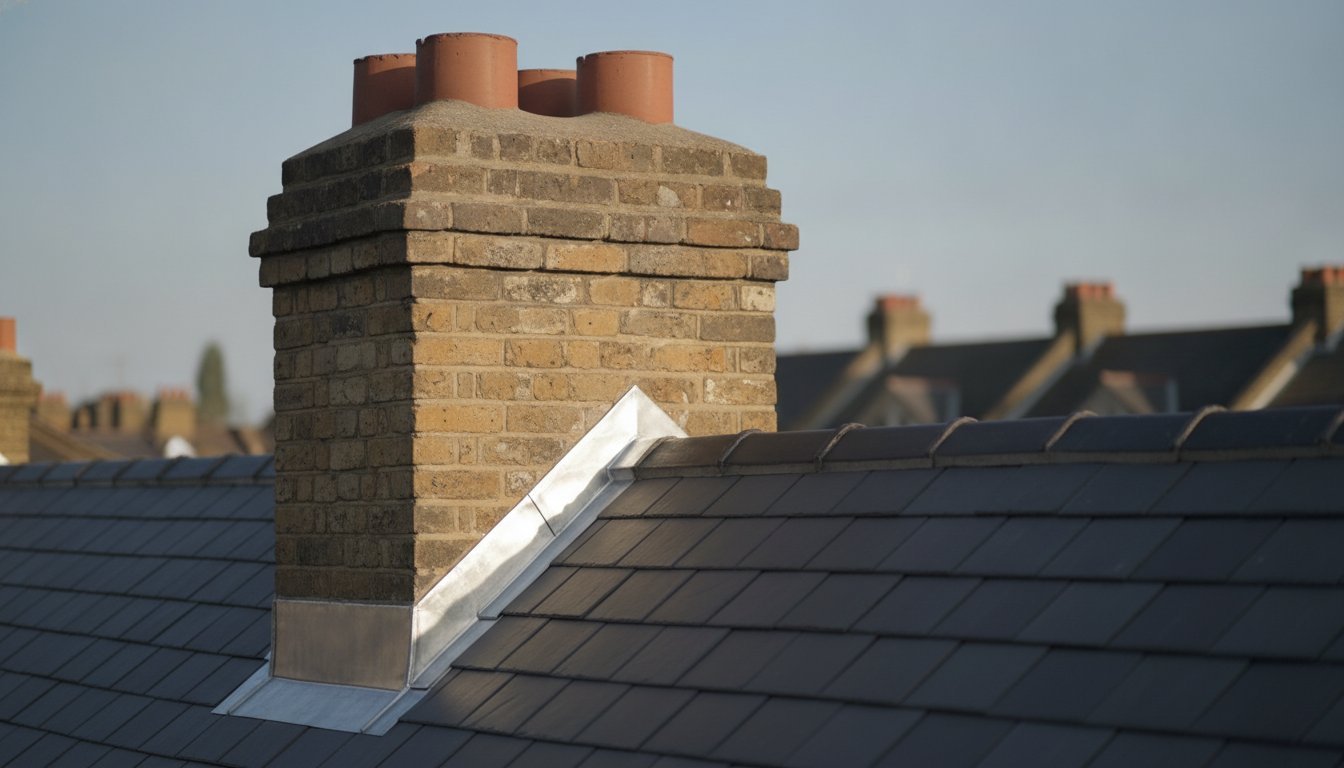
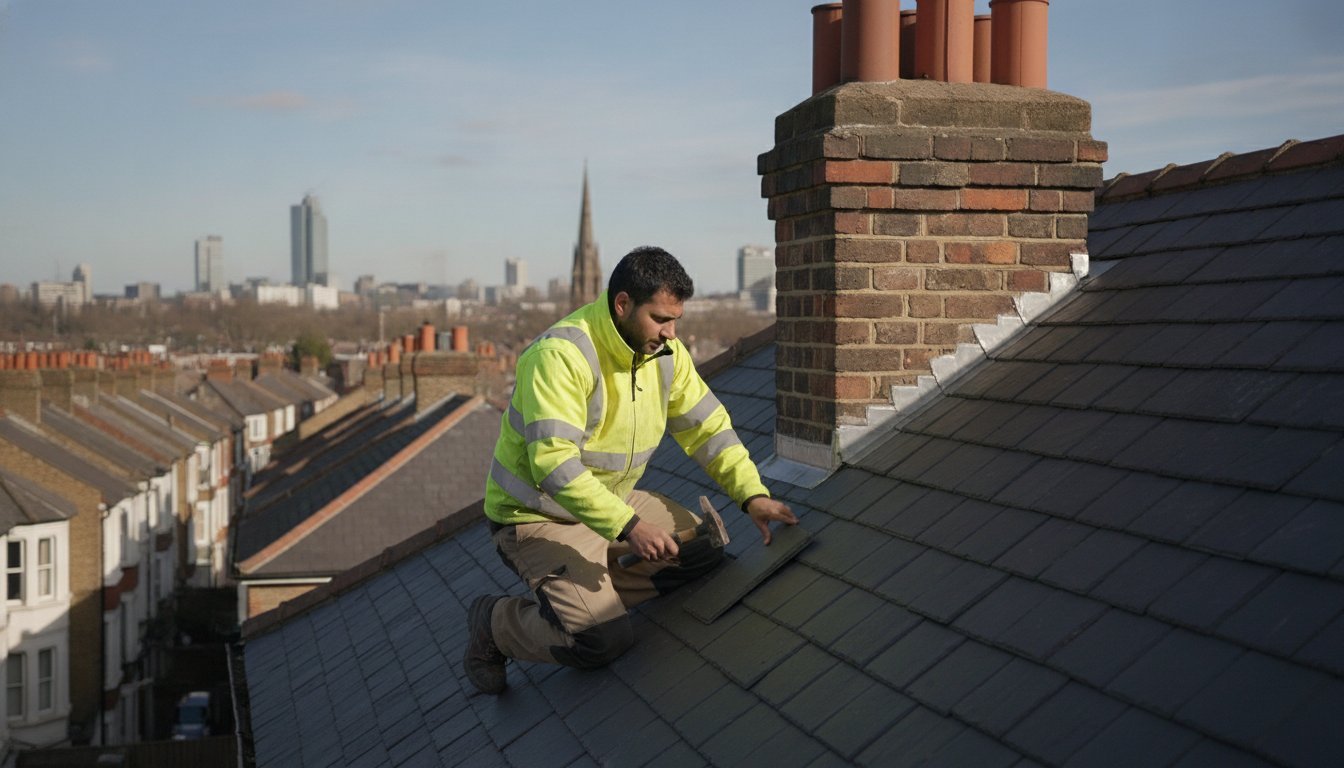
Hackney’s Victorian-era warehouses and workshops present unique structural challenges. These buildings often feature expansive slate roofs and intricate leadwork that have endured over a century of London weather. Preserving the aesthetic of East London whilst ensuring a watertight finish is a delicate balance. Common failure points include deteriorating mortar in chimney stacks and “fatigue” in lead valleys where decades of thermal expansion have caused cracking. A master craftsman approach is essential here to maintain structural integrity without compromising the building’s historic character or falling foul of heritage constraints.
Modern Retail and Office Roofing
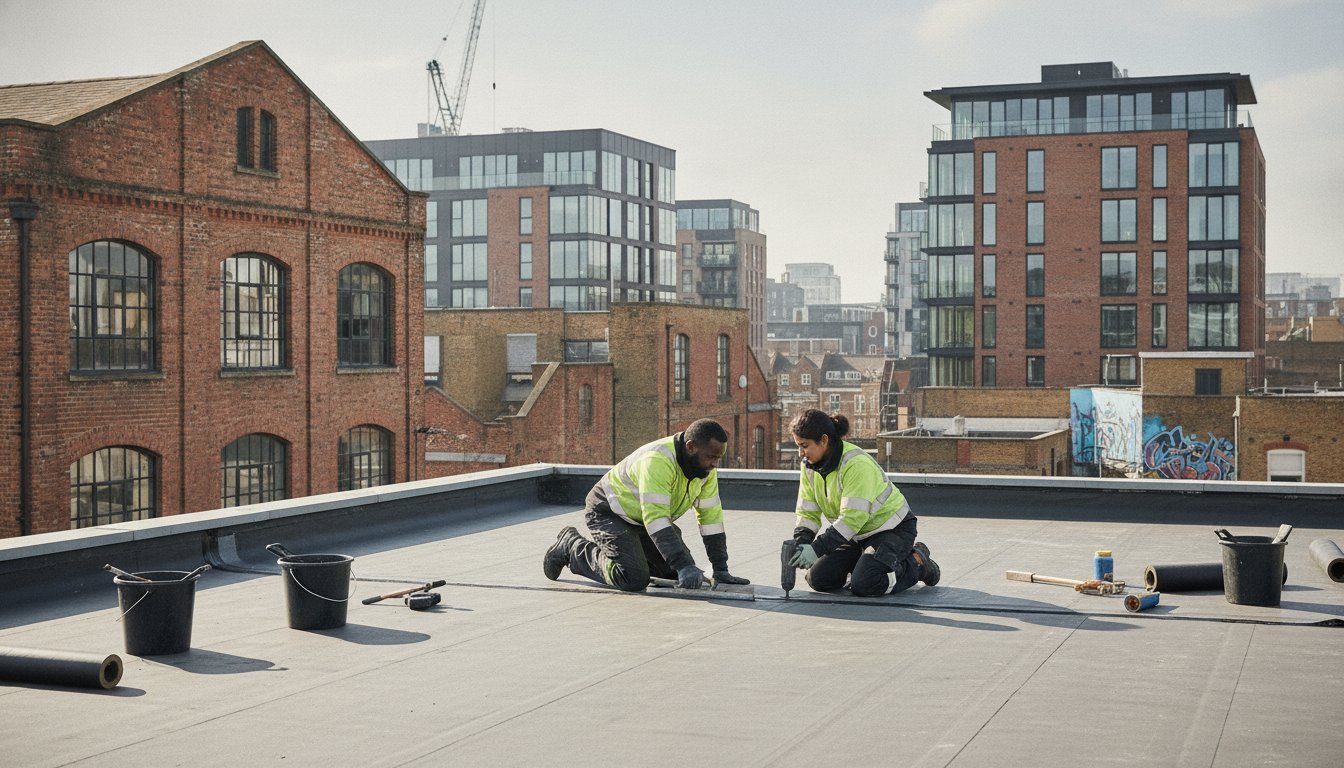
In contrast, the rapid development of office blocks and retail units in areas like Hackney Central requires a different technical toolkit. These structures typically rely on common commercial roofing systems designed for high-performance thermal efficiency and rapid installation. Modern bituminous membranes or single-ply systems are often the preferred choice for Dalston’s newer developments. These systems must meet the strict standards set out in the January 2026 Hackney Retrofit SPD, ensuring the building remains energy-efficient whilst providing the durability needed for high-traffic commercial environments.
Local knowledge of Hackney Council planning is vital. The introduction of the Commercial Extensions and Alterations SPD in early 2026 has changed how businesses can adapt their premises. Whether you’re refurbishing a period property or maintaining a new-build, we ensure every technical decision aligns with these local regulations. It’s about knowing which materials are permitted in conservation areas and how to integrate modern insulation without disturbing the original roofline. This methodical approach reduces the risk of planning delays and ensures your property remains a compliant, valuable asset.
Commercial Roofing Systems: Choosing the Right Materials for Longevity
Selecting the right materials for a commercial project is a balance between immediate capital expenditure and long-term operational costs. For property managers in East London, the decision often hinges on the building’s specific usage and its architectural constraints. A warehouse in Homerton has different needs than a high-street shop in Shoreditch. Choosing the wrong system can lead to premature failure, especially given London’s increasingly unpredictable weather patterns. High-quality commercial roofing Hackney projects focus on systems that offer a minimum 25-year service life whilst requiring minimal intervention.
Material selection is inextricably linked to energy performance. To meet the 2026 standards for Thermal Roof Insulation Upgrades, property managers must consider how different systems accommodate high-performance insulation boards. While initial costs for premium materials like natural slate or reinforced membranes are higher, the extended lifecycle results in a lower total cost of ownership. It’s a strategic choice that protects the building’s fabric and its market value. For landlords managing multiple properties across the borough, working with experienced roofing contractors for landlords Hackney can help consolidate these decisions into a coherent, portfolio-wide asset management strategy.
High-Performance Flat Roof Solutions
For many urban business premises, modern flat roofing solutions offer the most efficient path to a watertight seal. We typically evaluate three primary systems based on the building’s structural profile:
- EPDM Membranes: A synthetic rubber that’s exceptionally resistant to UV radiation and thermal shock. It’s ideal for large, unobstructed commercial surfaces.
- GRP (Glass Reinforced Plastic): A cold-applied liquid system that creates a seamless, durable finish. It’s particularly effective for roofs with complex details or heavy foot traffic.
- High-Performance Bituminous Felt: Modern torch-on felts are multi-layered and reinforced with polyester, providing a robust and cost-effective solution for retail units.
Traditional Slate and Tile for Commercial Properties
In conservation areas or for period warehouses, slate roofing Hackney remains the gold standard for maintaining property value. Sourcing high-quality Welsh or Spanish slate ensures that the roof matches the local aesthetic whilst providing a lifespan that can exceed 75 years. This longevity is only achievable when paired with expert leadwork. We focus on precision at the junctions, chimneys, and valleys where water ingress is most likely to occur. Using the correct code of lead and traditional bossing techniques ensures these critical structural junctions remain secure for decades. If you’re unsure which material best suits your building’s structural profile, speaking with a local specialist can provide the clarity needed for a sound investment.
Maximising Asset Value with Thermal Roof Insulation Upgrades
The commercial property market in 2026 has evolved into a “two-speed” environment. Modern, sustainable buildings command premium rents, whilst older, less efficient properties risk becoming obsolete. For landlords, thermal roof insulation upgrades are no longer optional extras; they are vital tools for protecting asset value. With the Hackney Retrofit SPD in full effect since January 2026, the council has made its pro-retrofit stance clear, encouraging property owners to decarbonise existing stock to meet stringent local and national standards.
Current Building Regulations Part L now mandate that when more than 50% of a roof is renovated, the thermal elements must be upgraded to a U-value of 0.16 W/m²K. This regulation applies directly to most commercial roofing Hackney projects involving substantial repairs or replacements. Adhering to these standards doesn’t just ensure legal compliance; it significantly improves your building’s EPC rating, making it a more attractive proposition for corporate tenants who increasingly demand BREEAM Excellent or LEED Gold credentials.
Improving Energy Efficiency for Warehouses and Offices
Upgrading insulation doesn’t always require a complete structural overhaul. In many Hackney warehouses, we can implement “Warm Roof” systems by installing high-performance insulation boards directly above the existing roof deck. This method is often superior for commercial flat roofing as it keeps the entire structure at a consistent temperature, reducing thermal stress on the building’s frame. Improved thermal performance leads to a more stable internal environment, which is a key factor in tenant satisfaction and long-term lease renewals.
Long-term Cost Savings and ROI
The financial case for insulation is compelling. With prime rents in the City of London reaching record highs, investors are scrutinising operational overheads more closely than ever. By significantly reducing heat loss, an insulation upgrade offers a predictable payback period through lower energy bills. Modern insulation systems effectively eliminate the risk of interstitial condensation by ensuring the dew point remains outside the structural deck of the commercial roof. This technical precision prevents rot and damp, future-proofing your Hackney asset against rising energy costs and the tighter environmental regulations expected throughout the late 2020s.
Regulatory Compliance and Safety in Commercial Roofing Projects
Regulatory compliance is the cornerstone of any successful commercial roofing Hackney project. As a property manager, you hold significant legal responsibilities under the Construction (Design and Management) Regulations 2015 (CDM 2015). These regulations ensure that health, safety, and welfare are prioritised throughout the project lifecycle. Failure to appoint competent contractors or ensure a robust safety plan is in place can lead to severe legal repercussions. We operate with a methodical approach, providing the transparent documentation and rigorous risk assessments required to protect your business from liability.
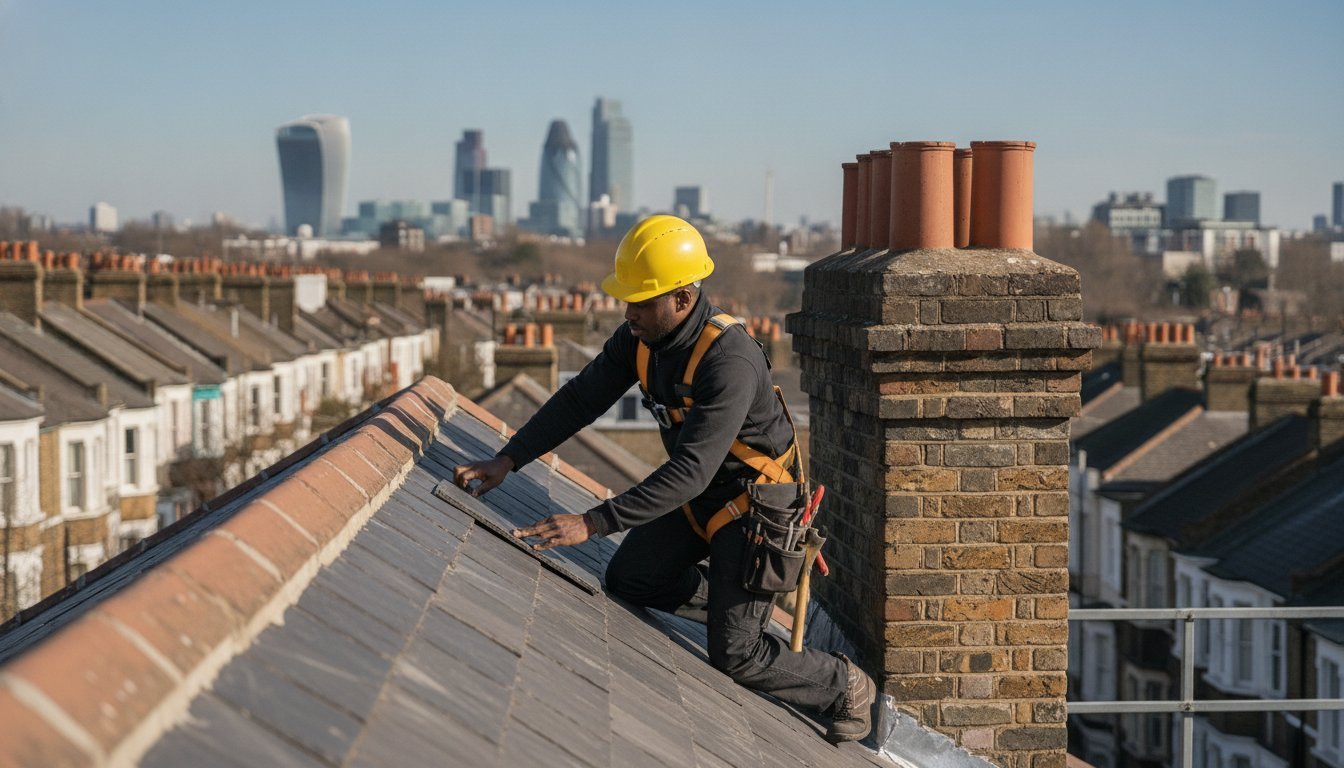
Safety is particularly complex in the dense urban environment of East London. Erecting scaffolding on busy thoroughfares like Kingsland Road or Mare Street requires precise coordination with Hackney Council for pavement licences and public protection. We implement comprehensive fall protection systems and strict site boundaries to safeguard both our craftsmen and the public. This level of diligence extends to our insurance-backed guarantees, which provide long-term security for your capital investment, ensuring that any structural issues are resolved without further financial strain on your portfolio.
Planning Permissions and Heritage Constraints
Navigating Hackney Council’s planning department is essential, particularly within the borough’s numerous conservation areas. For projects altering the external appearance of a building, the Hackney Commercial Extensions and Alterations SPD, effective since January 2026, provides the primary guidance. You’ll typically need a building notice if you’re replacing more than 50% of a roof covering, as this triggers the mandatory thermal upgrades required by national building regulations. Sourcing materials that meet local aesthetic standards, such as specific slate grades or lead weights, is a core part of our expert service.
Proactive Maintenance and Asset Protection
The most effective way to manage a commercial property is to prevent emergencies before they occur. Regular industrial roof maintenance London is a critical component of asset protection. A bespoke maintenance schedule allows you to identify early warning signs, such as blocked internal drainage or minor membrane punctures, before they escalate into costly structural repairs. Identifying these failure points early saves significant capital over the building’s lifecycle. By investing in a structured inspection regime, you ensure your Hackney property remains a high-performing asset that retains its market value. To discuss a compliance-led approach for your next project, contact our expert team for a professional consultation.
Why Roofing in Hackney is the Premier Choice for Local Businesses
Choosing a partner for your structural investments requires more than just a competitive quote; it demands a commitment to technical mastery. Roofing in Hackney has built a reputation as a trusted local advisor by combining traditional craftsmanship with the rigorous standards of 2026. We recognise that for property managers, a roof is a strategic asset rather than a simple maintenance line item. Our approach to commercial roofing Hackney is defined by calm efficiency and a methodical focus on long-term value. We don’t just fix leaks; we implement comprehensive strategies that protect the building’s fabric and ensure ongoing regulatory compliance.
Transparency and order are the hallmarks of our service ethos. We understand the pressure of managing East London property portfolios, where business disruption must be kept to an absolute minimum. By choosing a seasoned specialist, you gain the security of knowing your project is managed by professionals who prioritise precision and durability. We use only high-quality materials and bespoke solutions tailored to the specific requirements of your building type, ensuring that every commercial roofing Hackney project we undertake stands the test of time.
Our Commercial Project Workflow
Our workflow follows a highly structured and logical progression to ensure predictable results for every client. We utilise an organised sequence of phases to keep you informed at every stage:
- Detailed Consultation and Drone Survey: Every project begins with a professional assessment. We use high-resolution drone technology to map the roof’s condition accurately without disrupting your tenants.
- Methodical Resource Planning: We organise labour and materials to meet strict commercial deadlines. This ensures that work on busy thoroughfares like Mare Street or Kingsland Road is completed with maximum efficiency.
- Final Handover and Guarantee: Once the technical work is complete, we provide a thorough handover including all compliance documentation and your long-term, insurance-backed guarantee.
Partner with Local Hackney Experts
Local reliability is indispensable when managing assets in a dense urban environment. Our deep familiarity with the borough’s architectural nuances allows us to provide solutions that generic London firms often overlook. You can learn more about us and our history of serving this unique community. This local presence ensures we’re available for rapid response and ongoing maintenance, preventing minor issues from becoming capital-intensive failures. We invite you to contact our team for a professional commercial roofing assessment of your premises.
Securing Your Property’s Future in Hackney
Managing a commercial portfolio in East London requires a proactive stance on building performance and regulatory shifts. We’ve explored how selecting the right materials and prioritising thermal efficiency can transform your roof from a maintenance cost into a high-value asset. Whether you’re overseeing a Victorian warehouse or a modern office block, the focus must remain on technical precision and local compliance. Successful asset management depends on these structured, expert-led decisions that protect both the building’s fabric and its market value.
Securing reliable commercial roofing Hackney services ensures your property meets the 2026 Hackney Retrofit SPD standards whilst protecting your capital investment. As specialists in both modern flat systems and heritage slate, we offer the technical mastery needed for complex urban projects. Our deep knowledge of Hackney Council heritage requirements and the provision of comprehensive insurance-backed guarantees on all commercial work provide the peace of mind property managers deserve. Taking a methodical approach today prevents the stress of emergency repairs tomorrow.
Request a Professional Commercial Roofing Survey in Hackney to begin your methodical asset upgrade with a partner who understands the local landscape.
Frequently Asked Questions
What are the most durable materials for commercial flat roofing in Hackney?
EPDM and GRP are amongst the most durable options for commercial flat roofing in Hackney. EPDM synthetic rubber offers exceptional UV resistance and an impressive lifespan, whilst GRP provides a seamless, high-traffic finish. These systems are often preferred for modern retail units and industrial warehouses because they withstand London’s variable weather whilst requiring minimal long-term maintenance compared to traditional felt systems.
How long does a commercial roof replacement typically take?
The duration of a commercial roof replacement typically ranges from one to three weeks, depending on the building’s scale and structural complexity. A standard retail unit might be completed quickly, whilst a large-scale Victorian warehouse requiring heritage slate work takes longer. We provide a detailed project timeline during the initial consultation to ensure your operations are planned around the construction phases with minimal disruption.
Do I need planning permission to replace my business’s roof in Hackney?
You generally don’t need planning permission for simple repairs, but it’s often required if you’re significantly changing the roof’s appearance or height. In Hackney, buildings in conservation areas or those with listed status face stricter heritage constraints under the January 2026 Commercial Extensions and Alterations SPD. Replacing more than 50% of the roof covering also triggers a building notice to ensure compliance with thermal insulation standards.
How can a new roof improve my commercial property’s EPC rating?
A new roof improves your EPC rating by incorporating high-performance insulation that meets the 2026 Part L requirements. By upgrading to a U-value of 0.16 W/m²K, you significantly reduce heat loss and lower operational energy costs. This improved thermal efficiency is a key factor for landlords looking to attract corporate tenants who prioritise sustainable, BREEAM-certified commercial spaces in the competitive East London market.
What is the difference between domestic and commercial roofing contractors?
The primary difference lies in the scale of projects, technical requirements, and legal obligations such as CDM 2015 regulations. Commercial contractors must manage complex logistics, including scaffolding on busy East London streets and public safety protocols. Specialists in commercial roofing Hackney also possess the technical mastery required for large-span industrial systems and heritage leadwork that domestic roofers rarely encounter on residential properties.
How much does commercial roofing cost per square metre in Hackney?
Costs per square metre vary significantly based on the chosen material, structural condition, and specific access requirements. Whilst industry data for 2026 suggests average ranges for flat and pitched systems, every Hackney project is unique. Factors such as the 2026 Retrofit SPD requirements for insulation can also influence the total investment. We recommend a professional survey to receive a precise, bespoke estimate for your specific business premises.
What safety regulations apply to roofing work on commercial buildings?
Roofing work on commercial buildings is governed by the Construction (Design and Management) Regulations 2015 and the Work at Height Regulations 2005. These mandate rigorous risk assessments, fall protection, and competent supervision. In Hackney, you must also secure specific pavement licences from the council for any scaffolding or skips placed on public thoroughfares to ensure pedestrian safety remains uncompromised throughout the project lifecycle.
Can you perform roof repairs whilst my business remains open?
We frequently perform repairs whilst a business remains fully operational by utilising methodical project management and clear communication. By organising work in phases and establishing secure safety cordons, we minimise noise and physical disruption to your premises. This approach allows your daily activities to continue safely, ensuring that essential structural maintenance doesn’t result in a loss of revenue or significant inconvenience for your staff and customers.