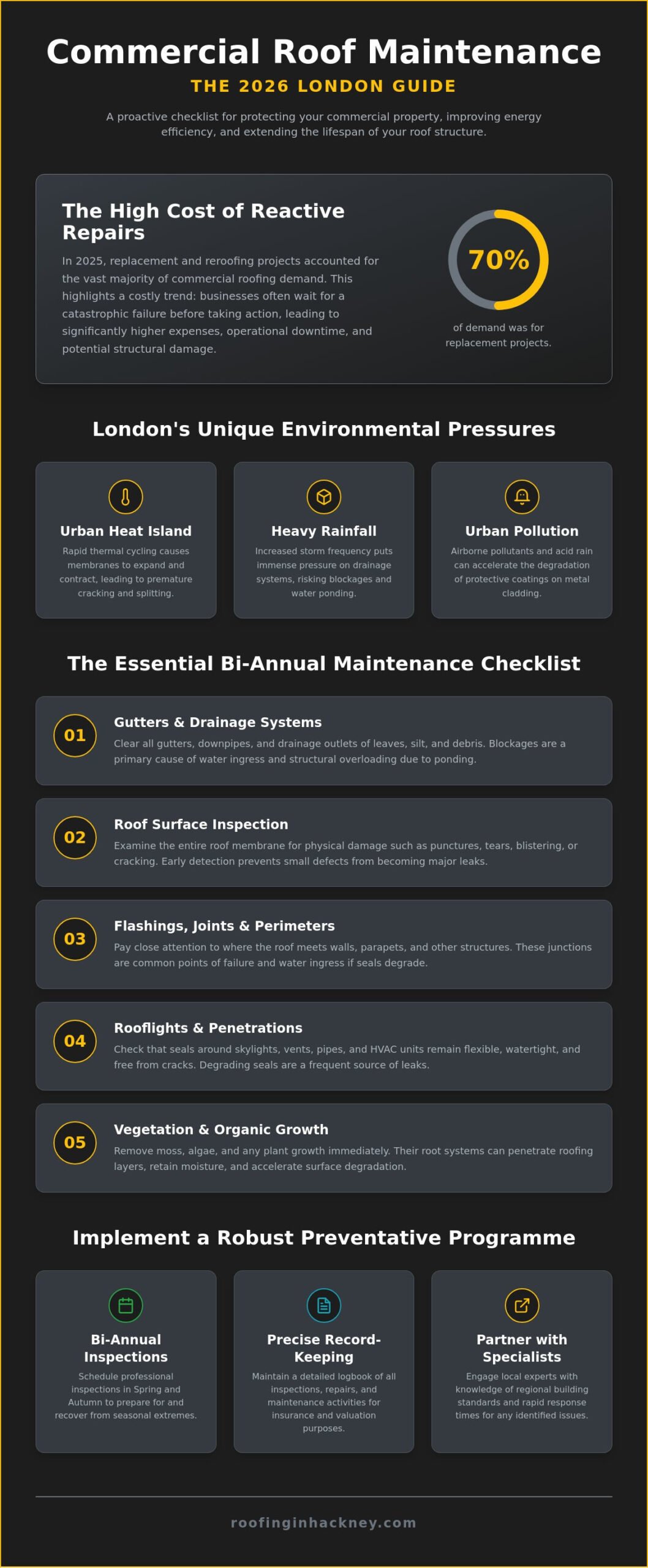
Did you know that replacement and reroofing projects accounted for over 70% of commercial roofing demand in 2025? This figure highlights a costly reality for many London businesses; reacting to a structural failure is far more expensive than preventing one. For any facility manager, the threat of sudden downtime due to a leak is a constant source of stress. Effective commercial roof maintenance London requires moving away from simple “leak-patching” and towards a proactive asset management strategy that prioritises long-term health.
We understand that navigating specific building regulations whilst managing the impact of unpredictable weather can feel overwhelming. It’s frustrating when emergency repairs disrupt your operations and drain your budget. This guide provides a comprehensive 2026 checklist to help you protect your assets, improve energy efficiency, and extend the lifespan of your structure. We will explore essential maintenance schedules, the latest thermal performance standards, and how to stay ahead of regulatory changes like the Building Safety Act to ensure your business remains secure.
Key Takeaways
- Understand how proactive care mitigates the high costs of emergency repairs whilst addressing London’s unique environmental factors like urban pollution and heavy rainfall.
- Utilise a detailed 2026 checklist for commercial roof maintenance London to monitor gutter drainage and detect early signs of membrane blistering or cracking.
- Learn to spot critical issues such as leadwork fatigue and metal cladding corrosion before they lead to significant structural damage or internal leaks.
- Implement a robust preventative maintenance programme, including bi-annual inspections and precise record-keeping, to extend the operational lifespan of your industrial roof.
- Recognise the value of partnering with local Hackney-based specialists who provide rapid response times and have deep expertise in regional building standards.
The Importance of Proactive Industrial Roof Maintenance in London
Industrial roofs serve several essential roof functions, primarily acting as the first line of defence against the elements whilst providing structural stability. However, many business owners in the capital view roofing as a “fit and forget” component. This mindset is risky. In 2025, replacement and reroofing projects accounted for over 70% of commercial roofing demand. This suggests that a vast majority of businesses are waiting until a system fails before taking action. Reactive repairs are significantly more expensive than scheduled commercial roof maintenance London programmes. By the time a leak is visible inside a warehouse or office, the internal insulation is often already saturated, leading to mould growth and structural decay.
London Weather Patterns and Your Roof
London’s microclimate presents unique challenges for industrial structures. The “urban heat island” effect means temperatures in the City and East London often remain several degrees higher than surrounding rural areas. This constant thermal cycling causes roofing membranes to expand and contract rapidly, leading to premature splitting or cracking of the surface. In Hackney and surrounding industrial zones, high levels of urban pollution can also accelerate the degradation of protective coatings on metal cladding. As we prepare for increased storm frequency in the late 2020s, ensuring your drainage systems can handle sudden, heavy rainfall is vital to prevent ponding and structural overloading.
Asset Protection and Insurance Compliance
Neglecting your roof can have severe legal and financial consequences. Most commercial insurance policies in the UK require property owners to maintain the building in a “good state of repair.” If you cannot provide evidence of regular inspections, insurers may reject business interruption claims following a storm or accidental damage. Proactive maintenance also safeguards your property valuation. A well-documented maintenance logbook proves to potential buyers or investors that the building’s envelope is secure. Beyond the paperwork, the primary goal is protecting your stock and equipment. A single major leak over a server room or high-value inventory can cost a business thousands in lost revenue and downtime. If you are concerned about your current coverage or roof health, it’s wise to contact us for a professional assessment.
A well-maintained roof is an investment in your company’s future. It ensures that your operations continue without interruption, regardless of the weather outside. By prioritising regular checks, you avoid the stress of emergency call-outs and the high capital expenditure of premature replacement. This methodical approach to building management is what separates successful, long-term operations from those constantly fighting reactive fires. Property owners across East London, including those seeking trusted roofing contractors for landlords Hackney, will find that transitioning to a proactive asset management strategy delivers significant long-term savings and protects rental yields.
The Essential Commercial Roof Maintenance Checklist
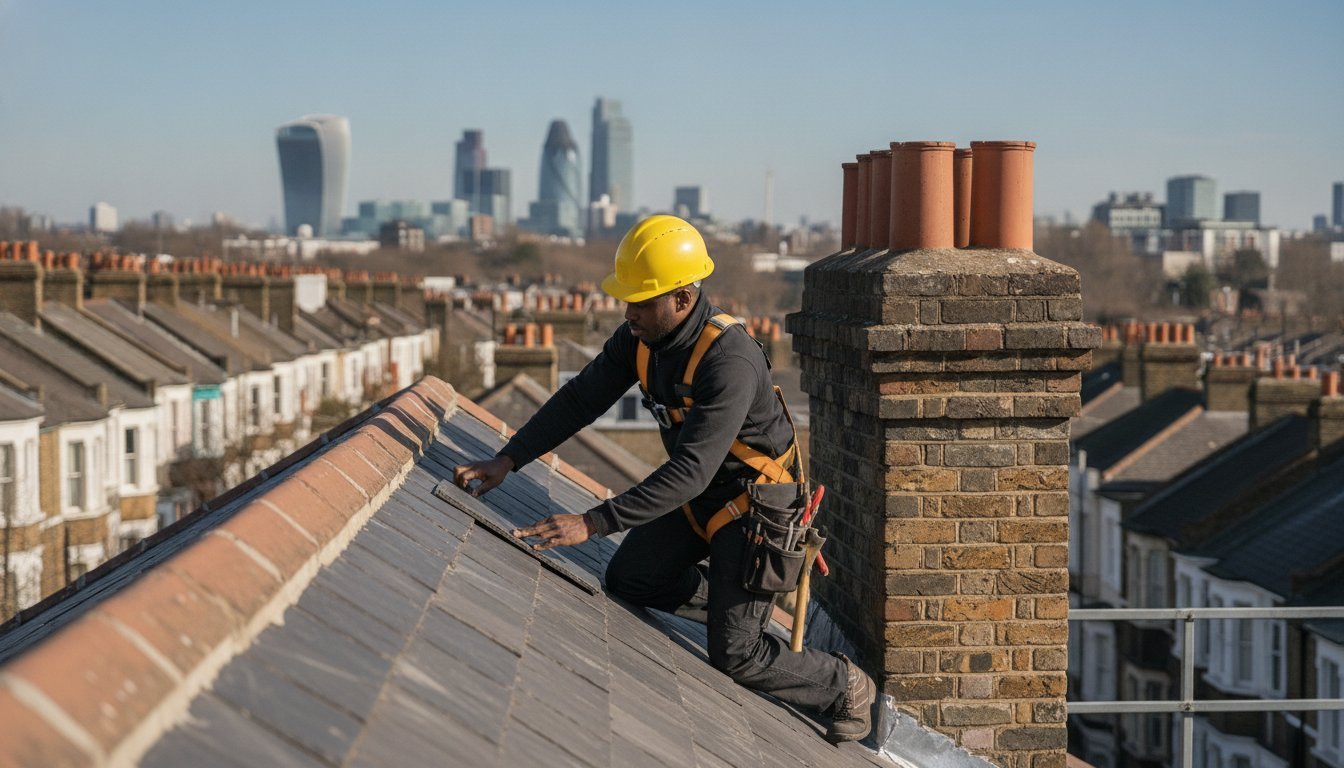
A structured approach to commercial roof maintenance London ensures that no detail is overlooked during your bi-annual inspections. Whilst the previous section highlighted the financial risks of neglect, this checklist provides the practical steps needed to identify issues before they escalate. It’s vital that all inspections are carried out in accordance with UK safety regulations for roof work to protect staff and contractors alike. Using a methodical sequence allows you to build a comprehensive health profile of your building’s envelope.
- Gutter and Drainage Systems: Clear all debris, silt, and leaves to prevent blockages that lead to internal dampness.
- Surface Inspection: Examine the entire roof area for signs of physical damage, such as punctures or tears in the membrane.
- Flashings and Joints: Pay close attention to the perimeter and where the roof meets walls, as these are the most common points of water ingress.
- Roof Lights and Penetrations: Check that seals around skylights, vents, and HVAC units remain flexible and watertight.
- Vegetation and Organic Growth: Remove moss or algae immediately; their root systems can penetrate roofing layers and retain moisture against the surface.
Drainage and Gutter Management
Effective water management is the most critical factor in extending a roof’s life. “Ponding” occurs when water remains on a flat roof for more than 48 hours after rainfall. This standing water adds significant structural load and can cause the underlying deck to deflect, creating a permanent dip that collects even more water. In Hackney, high-leaf-fall areas require more frequent cleaning schedules, particularly during autumn. You should also verify that internal downpipes are clear and leaf guards are securely in place to prevent subterranean drainage clogs.
Membrane and Surface Integrity
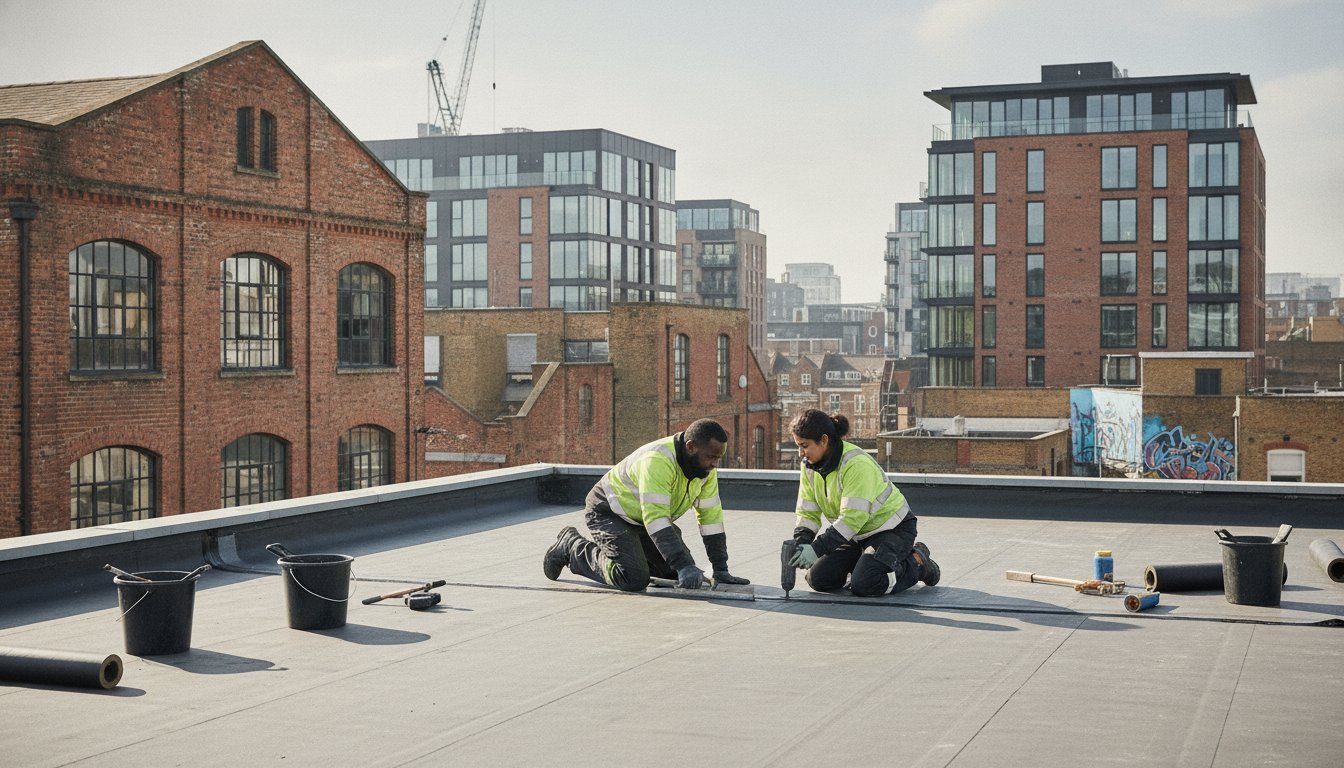
The type of material dictates what you should look for. In bitumen-based systems, “alligatoring” (a pattern of cracks resembling reptile skin) indicates that the oils in the material have dried out due to UV exposure. For single-ply membranes, which held a 47.12% market share in 2025, look for blistering or “tenting” at the seams. Mechanical damage is another concern; tools dropped during HVAC maintenance or heavy foot traffic can easily puncture modern membranes. If you notice any irregularities during your walk-through, it may be time to book a professional roof audit to assess the severity of the wear.
By following this sequence, you move from a reactive “patching” mindset to a controlled management strategy. Documenting these findings in a dedicated logbook creates a clear history of the roof’s performance, which is invaluable for insurance compliance and long-term capital planning. Regular attention to these details prevents the small, manageable issues of today from becoming the structural crises of tomorrow.
Identifying Common Issues in London Industrial Roofs
Effective commercial roof maintenance London relies on the ability to distinguish between superficial wear and critical structural failure. Many industrial units in East London utilise metal cladding or composite panels. Whilst these materials are durable, they’re prone to cut-edge corrosion. This occurs when the factory-applied protective coating peels away at the edges of the sheets, allowing moisture to penetrate the core. If left untreated, this rust spreads rapidly, eventually compromising the entire panel’s integrity and necessitating a full replacement rather than a simple repair. Spotting these orange-brown stains early can save thousands in capital expenditure.
Condensation often masquerades as a roof leak. Many facility managers report water ingress during the colder months, yet the external membrane shows no signs of damage. This usually indicates an insulation failure. When internal heat meets a cold, uninsulated surface, moisture forms on the underside of the deck and drips onto the floor below. Solving this involves upgrading the thermal envelope to meet modern standards, which simultaneously reduces energy overheads. The 2026 Building Regulations require existing roofs to achieve a U-value of 0.16 W/m²K when renovated, making insulation a key part of any maintenance discussion.
Leadwork and Flashing Failure
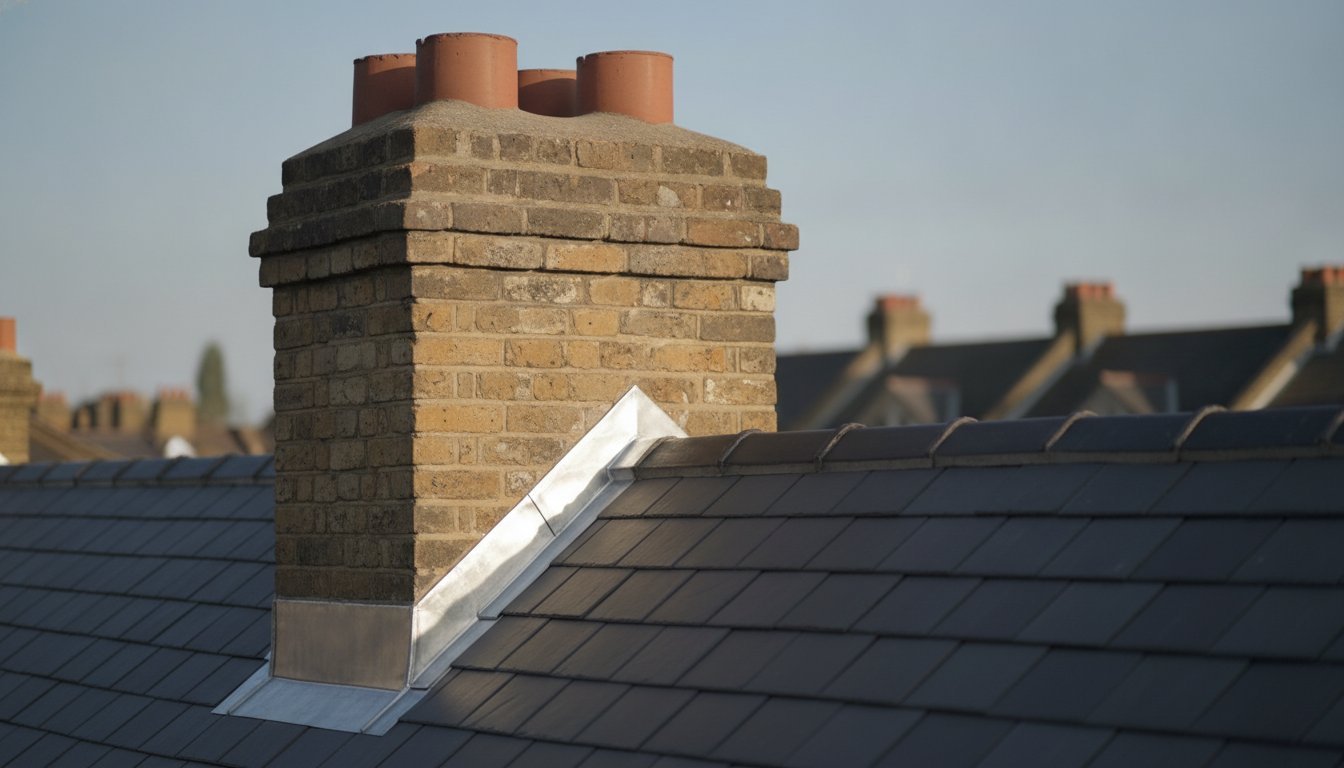
Lead remains an essential material for many heritage industrial buildings across Hackney. It’s used in valleys and where the roof meets masonry. Over time, lead suffers from thermal fatigue, causing small, “star-shaped” cracks to appear. You might notice stepped flashing pulling away from the brickwork, which creates a direct path for water. Because leadwork requires high-level technical proficiency, it’s vital to use contractors who understand traditional methods. You can learn more about our leadwork specialist services to see how we maintain these critical junctions and protect the building’s historical integrity.
Masonry and Chimney Stack Concerns
Older industrial stacks and parapet walls are often the most neglected parts of a commercial property. High winds and driving rain wash away the lime mortar in older buildings, leading to loose bricks and crumbling masonry. This isn’t just a damp issue; it’s a significant safety risk. Falling debris can damage the roof membrane or, worse, endanger people on the ground. Regular repointing of chimney stacks and checking the stability of masonry ensures the building remains watertight and compliant with safety standards. We often find that a small investment in repointing prevents the total collapse of a stack during a winter storm, ensuring your commercial roof maintenance London programme covers every part of the structure.
Creating a Preventative Maintenance Programme for 2026
Establishing a robust programme for commercial roof maintenance London is the most effective way to transition from reactive repairs to strategic asset management. A structured plan prevents minor defects from evolving into structural failures that disrupt your business operations. It’s a methodical approach that prioritises long-term value over short-term fixes. By following a set schedule, you ensure that every component of your roofing system is evaluated before the extreme weather of winter or summer takes its toll.
Spring inspections allow you to identify damage caused by winter freeze-thaw cycles and heavy gales. In contrast, Autumn checks focus on ensuring gutters are clear of debris and seals are intact before the heavy rains return. This bi-annual cycle is the industry standard for protecting large-scale industrial investments. Budgeting for minor repairs during these visits is far more cost-effective than dealing with a major capital expenditure following a catastrophic leak. Small investments in sealant or minor flashing adjustments today prevent the need for a full roof replacement tomorrow.
A central component of your programme should be the “roofing logbook.” This document tracks every inspection, repair, and material warranty associated with the building. It provides a transparent history of the structure’s health, which is invaluable for insurance compliance and property valuations. When an insurer sees a well-documented maintenance history, they’re more likely to process claims without dispute. You can request a professional maintenance consultation to help establish your baseline logbook and 2026 schedule.
The Role of Insulation in Roof Health
Maintenance is the ideal time to evaluate your building’s thermal performance. We frequently identify “cold bridges” where heat escapes, leading to internal damp and increased energy bills. With the 2026 Building Regulations requiring existing roofs to achieve a U-value of 0.16 W/m²K when renovated, keeping a close eye on your insulation is vital. If you find that your heating costs are rising despite a watertight membrane, read our Thermal Roof Insulation Upgrades: The 2026 Buying Guide for detailed advice on improving efficiency.
Building a Maintenance Schedule
Creating your schedule involves three logical steps. First, conduct a professional baseline survey to understand the current state of every component. Second, establish a regular cleaning and inspection cycle tailored to your location; Hackney businesses near heavy foliage may need more frequent gutter clearing. Finally, track all repairs and material warranties in your logbook. This structured progression ensures that your commercial roof maintenance London strategy is both predictable and transparent, allowing you to manage your facility with total confidence.
Choosing a Commercial Roofing Specialist in Hackney
Selecting the right partner for your commercial roof maintenance London is as much about local expertise as it is technical proficiency. Whilst national companies might offer broad coverage, they often lack the specific, site-level understanding of Hackney’s unique industrial landscape. A local specialist doesn’t just see a roof; they see a structural asset that must withstand London’s microclimate and urban pollution levels. Choosing a contractor based in East London ensures that your maintenance programme is grounded in reality, not just a generic template. This proximity allows for a more responsive and personalised service that larger, distant firms simply cannot match.
Before signing any contract, verify that the firm carries comprehensive commercial insurance and holds relevant industry accreditations. This protects your business from liability and ensures that work is performed to the high standards required by modern building regulations. At Roofing in Hackney, we combine over a decade of local experience with a deep understanding of large-scale industrial projects. We provide the calm dependability needed to manage complex roofing assets without the stress of constant oversight. Our focus is always on long-term value and precision craftsmanship.
Local Knowledge Matters
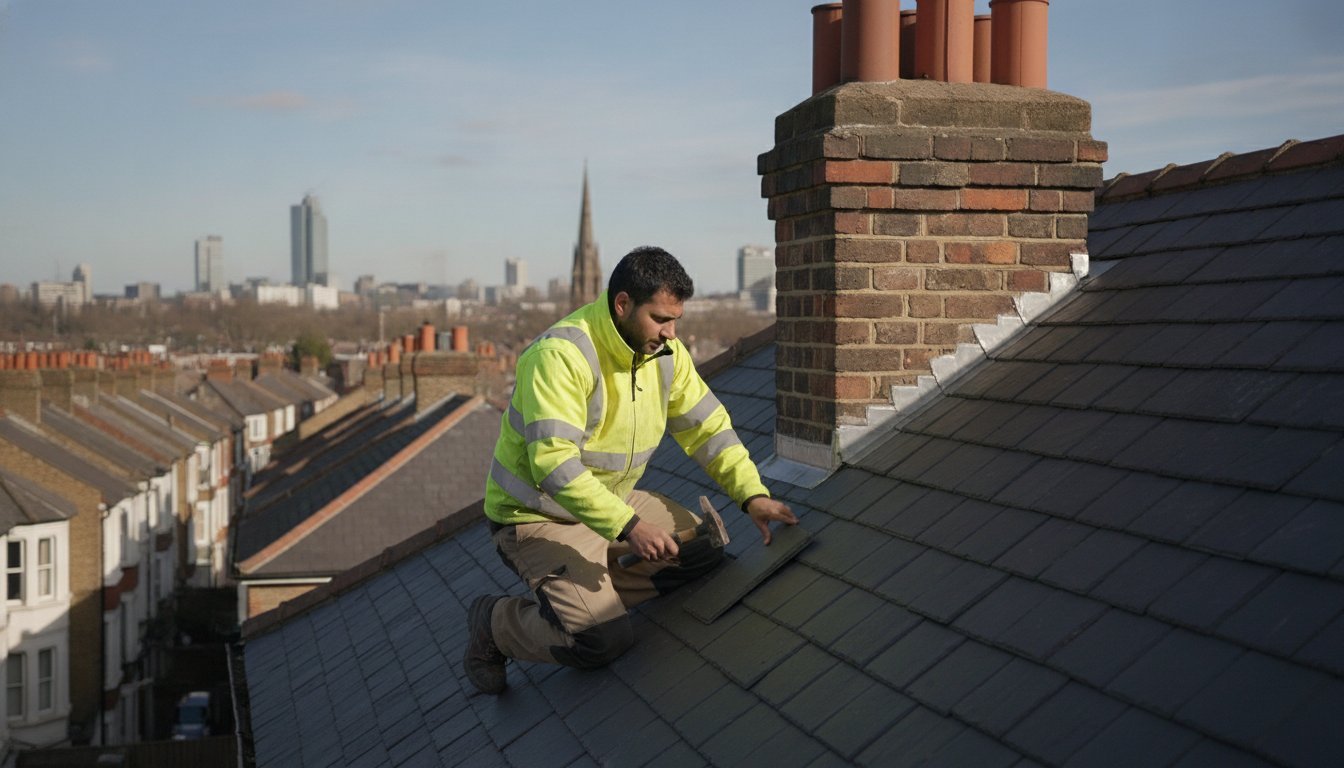
Hackney’s architectural diversity ranges from Victorian-era warehouses with intricate leadwork to modern distribution centres featuring high-performance membranes. A local team understands these nuances. For instance, heritage buildings in the area often require specialist slate or chimney repointing to remain watertight. Conversely, modern units may need sophisticated thermal upgrades to meet 2026 U-value requirements. Having a team nearby also means a rapid response for emergency repairs, which is vital for preventing business downtime. You can contact our Hackney commercial team to discuss a tailored survey for your property.
Matching Service to System
A “one-size-fits-all” approach is a significant risk in the industrial sector. Different materials, such as EPDM, liquid-applied systems, or composite metal panels, require distinct maintenance techniques. Using the wrong cleaning agent or repair material can void manufacturer warranties and lead to premature failure. Your specialist should demonstrate a clear track record with the specific system installed on your building. For a deeper look at the technologies available, our guide on Commercial Flat Roofing London: A Guide to Modern Systems explores the performance benefits of various materials. By matching the service to the system, you ensure that your commercial roof maintenance London programme delivers maximum durability and energy efficiency.
Roofing in Hackney supports local businesses by offering transparent, methodical solutions that prioritise structural health. We believe in doing things the right way, focusing on craftsmanship and long-term value. Whether you’re managing a heritage industrial unit or a modern commercial hub, our team provides the expert-led approach required to protect your investment for decades to come. Our steady, process-oriented workflow ensures you are informed at every stage, providing the security you need for such a significant structural investment. Property managers seeking a comprehensive overview of reliable commercial roofing Hackney services will find detailed guidance on aligning roofing projects with local planning requirements and modern energy efficiency standards. Landlords managing residential portfolios in the borough can also benefit from our dedicated roofing contractors for landlords Hackney guide, which covers proactive asset management strategies tailored to the unique demands of period properties and tenanted buildings.
Securing Your Commercial Asset for the Long Term
Transitioning from a reactive to a proactive mindset is the most effective way to safeguard your facility and its contents. By following a structured 2026 checklist, you ensure that minor defects like membrane blistering or gutter blockages don’t evolve into costly structural failures. A well-managed programme for commercial roof maintenance London also provides the vital documentation needed for insurance compliance and helps identify opportunities for essential insulation upgrades that reduce your monthly operational overheads.
Our local Hackney-based team provides the reliable support and technical mastery required to manage complex industrial systems. As specialists in London commercial roofing, we combine traditional expertise with modern standards to deliver durable results for every client. We are here to help you navigate the unique architectural challenges of East London whilst ensuring your building meets the latest thermal performance and safety standards. Proactive care is always a wiser investment than emergency repair.
Book a Professional Commercial Roof Survey with Roofing in Hackney
Taking small, methodical steps today ensures your business remains protected and efficient for years to come. We look forward to helping you maintain a secure and high-performing roof.
Frequently Asked Questions
How often should an industrial roof be inspected in London?
You should schedule a professional inspection at least twice a year, typically in Spring and Autumn. these intervals allow you to identify damage from winter storms and clear debris before the heavy autumn rains. In London, the “urban heat island” effect causes significant thermal stress on membranes, making regular checks essential to catch small cracks before they become major leaks.
What are the most common causes of commercial roof leaks in East London?
Blocked drainage systems and cut-edge corrosion are the primary culprits in East London industrial zones. Heavy urban pollution can accelerate the degradation of protective coatings on metal cladding. Additionally, the age of many Hackney buildings means that leadwork fatigue and crumbling masonry on chimney stacks often lead to water ingress at critical junctions where materials meet.
Can regular maintenance extend the life of a warehouse roof?
Regular commercial roof maintenance London can significantly extend a warehouse roof’s lifespan by identifying minor issues before they cause systemic failure. Since replacement projects made up over 70% of market demand in 2025, it’s clear that many structures fail prematurely due to neglect. Consistent care prevents the saturation of insulation and structural decay, keeping the original system functional for decades.
Is it possible to repair a commercial roof without replacing the whole system?
Localised repairs are often possible if the underlying structure remains sound. If you catch a puncture or a loose flashing early, a specialist can perform a targeted fix using liquid-applied membranes or mechanical patches. However, if more than 50% of the roof surface is affected, UK Building Regulations often require a full upgrade to current thermal and safety standards during the repair process.
How does roof maintenance impact a building’s energy efficiency?
Effective maintenance ensures that your insulation stays dry and functional. Saturated insulation loses its thermal resistance, leading to higher heating costs and internal condensation. By maintaining a watertight envelope, you help the building meet the 2026 U-value target of 0.16 W/m²K. This is a requirement for major renovations and remains essential for modern energy efficiency and reducing operational overheads.
What should be included in a commercial roof maintenance contract?
A comprehensive commercial roof maintenance London contract should include gutter and downpipe clearing, a full surface integrity check, and an inspection of all penetrations like skylights. It must also provide a detailed “roofing logbook” for your records. This documentation is vital for insurance compliance and helps you track the performance of your asset over several years of operation.
Are there specific regulations for industrial roofing in Hackney?
Hackney businesses must comply with national Building Regulations, specifically Part L regarding thermal performance and energy use. For buildings taller than 18 metres, the Building Safety Act introduces stricter fire safety and structural requirements. It’s also essential that all maintenance work adheres to HSE safety standards to ensure the protection of both contractors and the general public during site visits.
How do I know if my industrial roof needs a full replacement or just maintenance?
The decision depends on the extent of the damage and the age of the system. If leaks are widespread or the insulation is fully saturated, a replacement is usually more cost-effective in the long term. You should also consider the “Consequential Improvements” rule. If your repairs affect more than 50% of the roof’s surface, you are legally required to bring the entire system up to modern thermal standards.