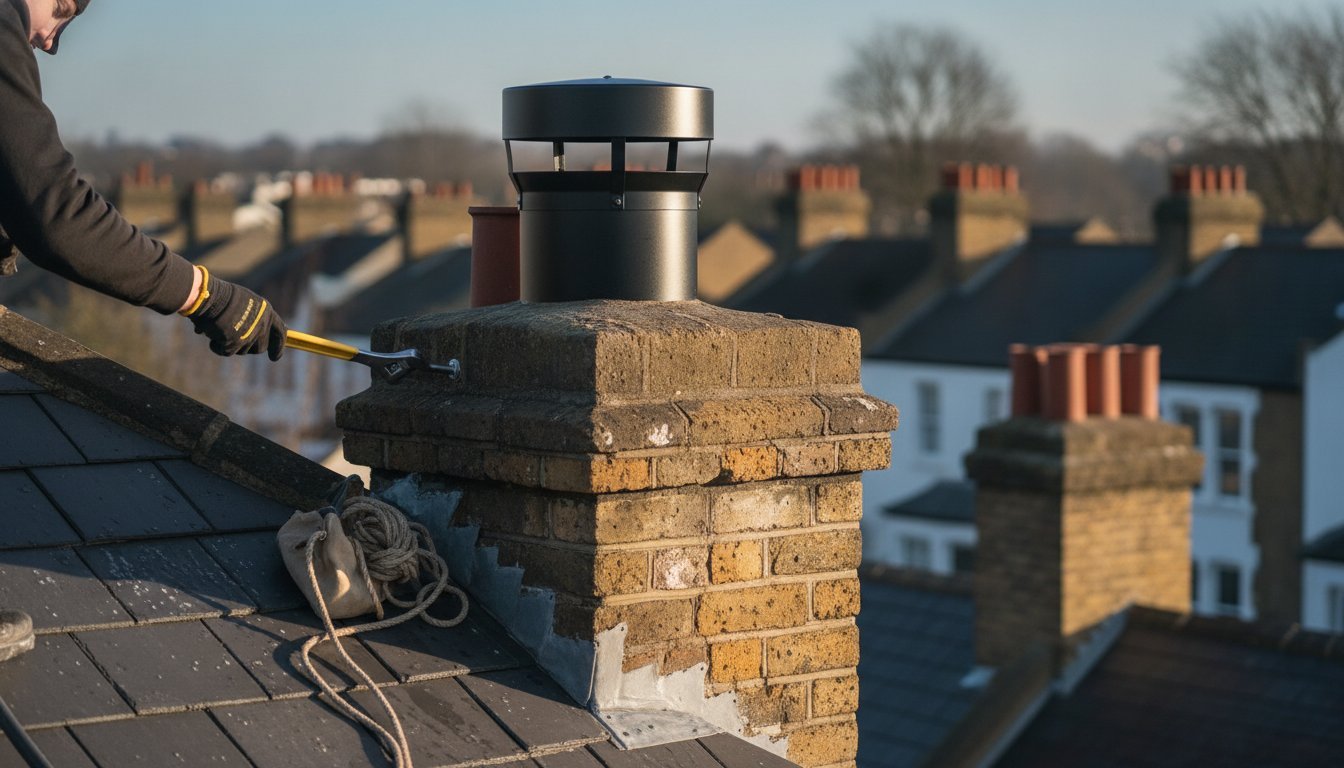
What if that persistent damp patch on your chimney breast isn’t a roofing leak, but a sign that your flue is literally gasping for air? Many Hackney homeowners find themselves battling soot-heavy downdraughts or the nuisance of pigeons nesting in their stacks, often assuming a basic cap is the only solution. It’s a common frustration that can lead to expensive internal damage and reduced heating efficiency if left unaddressed.
This guide demonstrates how professional chimney cowl installation in Hackney serves as a vital technical intervention, protecting your property from water ingress whilst ensuring your fireplace operates at peak performance. You’ll discover how the correct installation preserves local architectural heritage and meets the rigorous demands of current safety standards. We will examine the latest 2026 requirements, including the impact of Technical Bulletin TB163 and the specific Article 4 Directions affecting conservation areas like St Mark’s. By the end of this article, you’ll understand how a methodical approach to chimney maintenance secures your home’s long-term durability and aesthetic harmony.
Key Takeaways
- Understand how the correct cowl acts as a primary defence against water ingress and internal damp patches within Hackney’s period terraces.
- Learn to identify the specific cowl designs required for different fuel types to ensure maximum fireplace efficiency and safety.
- Discover why a professional chimney cowl installation in Hackney must include a structural assessment of the stack and leadwork to provide long-term durability.
- Navigate the complexities of local planning regulations, including Article 4 Directions that govern chimney alterations in Hackney’s conservation areas.
- Gain insights into the latest 2026 technical standards, such as pressure testing requirements for specialist flue systems under Technical Bulletin TB163.
Understanding Chimney Cowl Installation in Hackney: Why Your Flue Needs Protection
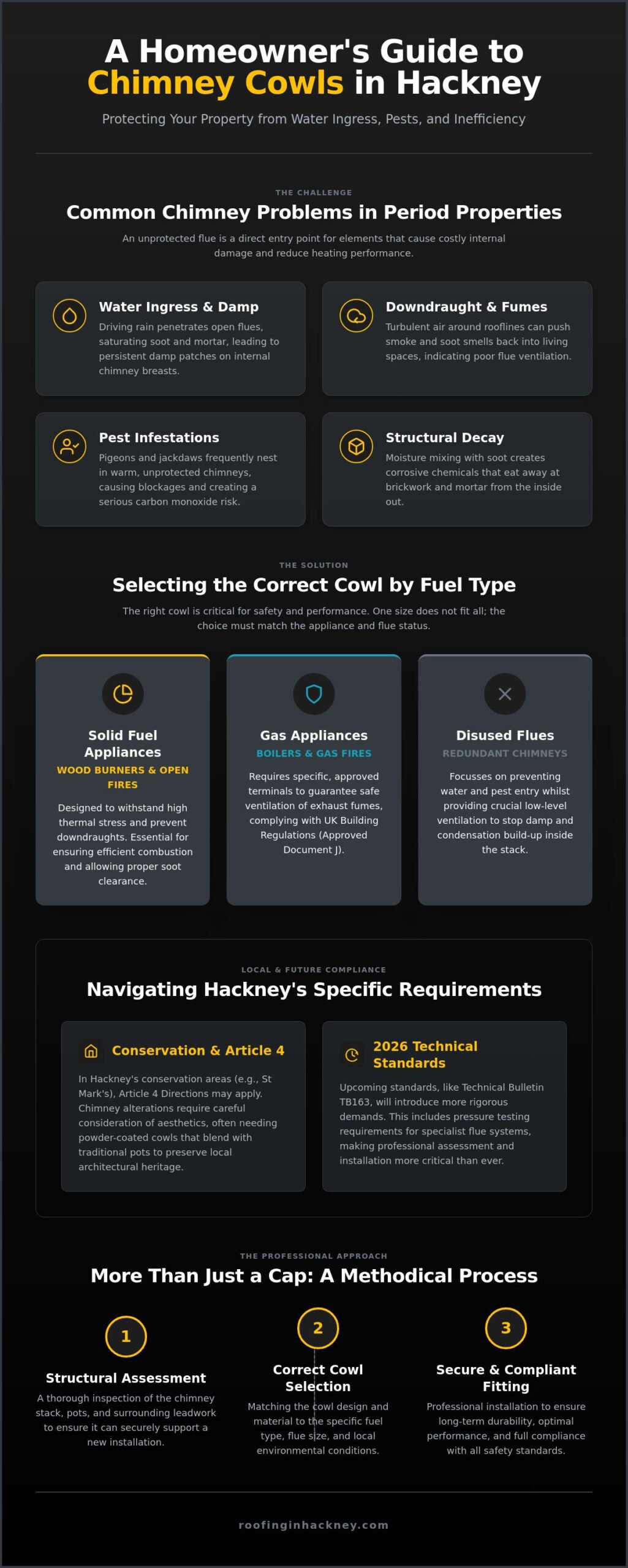
A chimney cowl is far more than a simple decorative cap; it’s a precision-engineered fitting designed to regulate airflow whilst shielding the flue from external elements. For homeowners in East London, Understanding Chimney Cowls is the first step in protecting the structural integrity of a period property. In the dense rows of Hackney’s Victorian and Edwardian terraces, chimneys are often the most exposed part of the building. This makes them vulnerable to the coastal winds and driving rain that characterise 2026 weather patterns in the capital. Without a correctly specified chimney cowl installation Hackney residents often face persistent dampness that migrates from the flue into the internal masonry, a common issue amongst the area’s older housing stock.
The environmental conditions in London have shifted, with 2026 seeing a marked increase in the frequency of intense rainfall events. These short, heavy bursts of water can easily penetrate an open chimney pot, saturating the soot and mortar within. This doesn’t just cause a mess; it creates a chemical reaction that can eat away at the brickwork from the inside out. A professional installation ensures that your flue remains a functional ventilation shaft rather than a direct entry point for the elements.
The Primary Functions of a Modern Chimney Cowl
A well-chosen cowl provides several layers of protection that go beyond merely covering the flue opening. It’s a technical component that manages the micro-climate within your chimney stack.
- Pest Prevention: Pigeons and jackdaws are particularly fond of the warmth found in East London chimney stacks. A mesh-guarded cowl prevents them from nesting, which otherwise blocks the flue and creates a significant carbon monoxide risk.
- Water Management: By deflecting rain away from the flue opening, the cowl keeps the internal chimney breast dry. This is essential for preventing the unsightly damp patches that often appear in upstairs bedrooms.
- Combustion Efficiency: A cowl helps regulate the “pull” or draught of the chimney. This ensures your fireplace or wood burner operates at peak efficiency and prevents heat from escaping too quickly.
Common Symptoms of a Missing or Damaged Cowl
Identifying a problem early can save thousands in structural repairs. If your cowl is missing or has corroded over time, you’ll likely notice specific warning signs that shouldn’t be ignored.
A frequent complaint is the smell of soot or “old smoke” inside the living room, especially during damp or humid weather. This occurs when moisture mixes with creosote deposits in the flue. You might also hear the scratching of birds or find twigs and debris falling into the hearth. Perhaps most frustrating is the issue of downdraught, where smoke is pushed back into the room instead of rising. This is often caused by the turbulent air patterns found around Hackney’s varied rooflines. Professional chimney cowl installation Hackney services address these issues by selecting a design specifically tuned to your chimney’s height and surrounding environment.
Selecting the Right Cowl: A Comparison of Designs and Materials
Choosing the correct hardware for a chimney cowl installation Hackney wide involves balancing technical necessity with architectural preservation. It’s vital to match the specific fitting to the fuel source used in the home. A cowl designed for a disused flue will fail if fitted to an active wood-burning stove, as it won’t withstand the thermal stress or allow for proper soot clearance. Compliance with UK Building Regulations for Chimneys ensures that your selection meets safety standards for ventilation and combustion, particularly regarding the specific terminals required for gas or solid fuel appliances.
Aesthetics play a significant role in East London’s property market. A bright, metallic spinning cowl can look jarring on a Georgian terrace or a Victorian villa. For these period homes, powder-coated finishes in terracotta or buff provide modern protection whilst blending seamlessly with traditional chimney pots. Beyond looks, the material choice dictates the lifespan of the installation. Cheap, inferior metals often succumb to corrosion within a few years due to London’s high nitrogen dioxide levels and acidic rain, leading to rust stains on expensive slate roofing.
Anti-Downdraught Cowls vs. Bird and Rain Guards
Aerodynamic anti-downdraught models are the preferred choice for exposed Hackney roofs where wind turbulence often pushes smoke back into the living space. These cowls use static fins to create a low-pressure zone that helps pull air upwards. For flues that are no longer in use, a simple mesh bird guard is often sufficient. These prevents jackdaws from nesting whilst allowing the stack to breathe, preventing the damp issues mentioned in the previous section. Spinning cowls, or aspirators, are a specialist solution for chimneys with persistent draw problems, though they require more frequent mechanical checks to ensure they haven’t seized.
Material Choices: Stainless Steel, Terracotta, and Galvanised Mesh
In 2026, high-grade stainless steel is considered the industry standard for durability. It’s impervious to the corrosive condensates produced by modern wood burners. Whilst galvanised steel options are available at a lower price point, they lack the longevity required for a permanent structural fix. For homeowners prioritising heritage, terracotta-style cowls offer a traditional appearance. These are often made from durable ceramic or treated metal designed to mimic the texture of original Victorian pots. If you’re uncertain about which material best suits your chimney’s height and fuel type, you can contact our local specialists for a technical assessment of your stack.
The Technical Installation Process: Beyond the Ladder
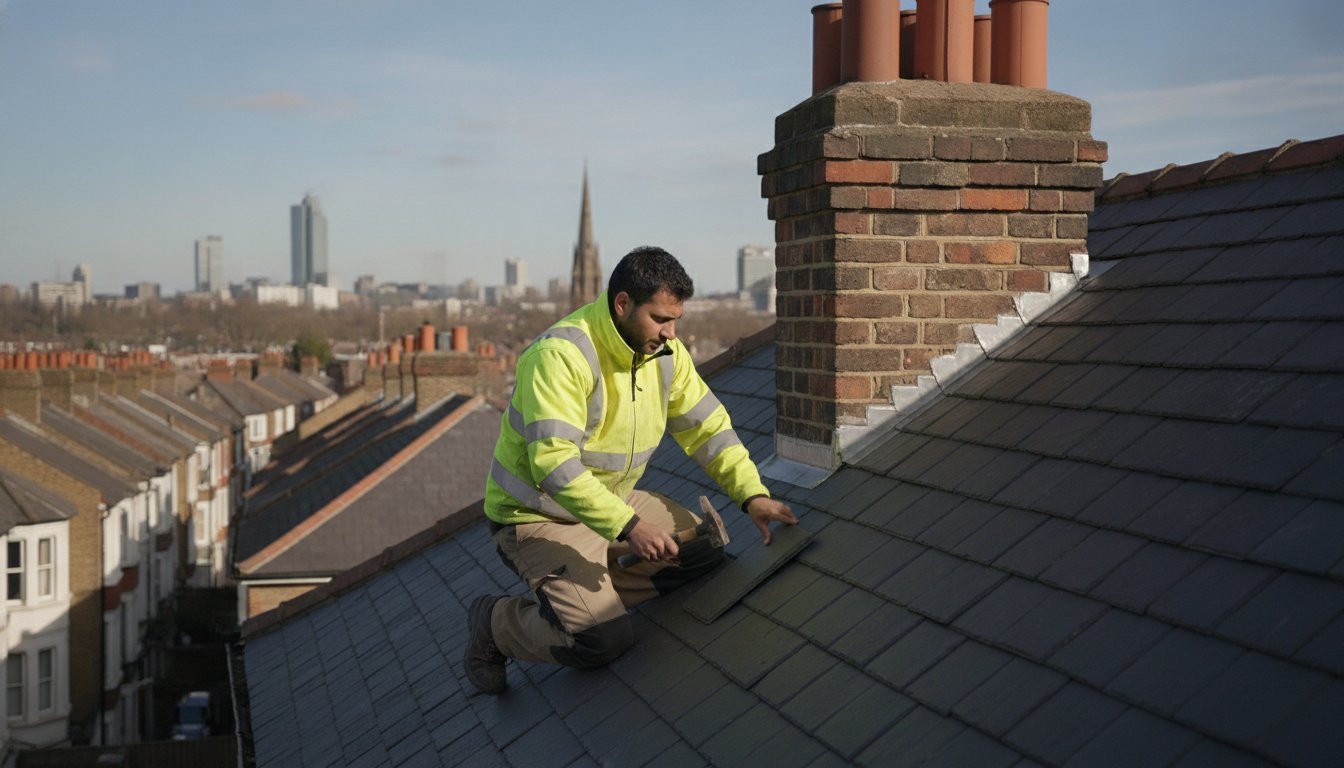
Professional chimney cowl installation Hackney residents rely on requires more than a standard ladder and a set of pliers. It demands a comprehensive understanding of the chimney’s structural state. Unlike a general sweep, a specialist roofer examines the entire stack to ensure the masonry can support the new hardware. This is a critical component of chimney maintenance in Hackney, where age and exposure often compromise the stability of original pots. We treat the installation as a roofing intervention, not just a simple accessory fitting.
Working on the tall, narrow terraces of East London presents unique logistical challenges. High rooflines and limited access mean that safety protocols are paramount. Every installation must also align with Hackney’s Smoke Control Area Rules, which dictate the types of fuels you can burn and, consequently, the specific terminals required for your flue. Our process ensures that your home remains compliant with local environmental standards whilst providing maximum protection for your chimney breast.
Structural Assessment of the Chimney Stack and Pot
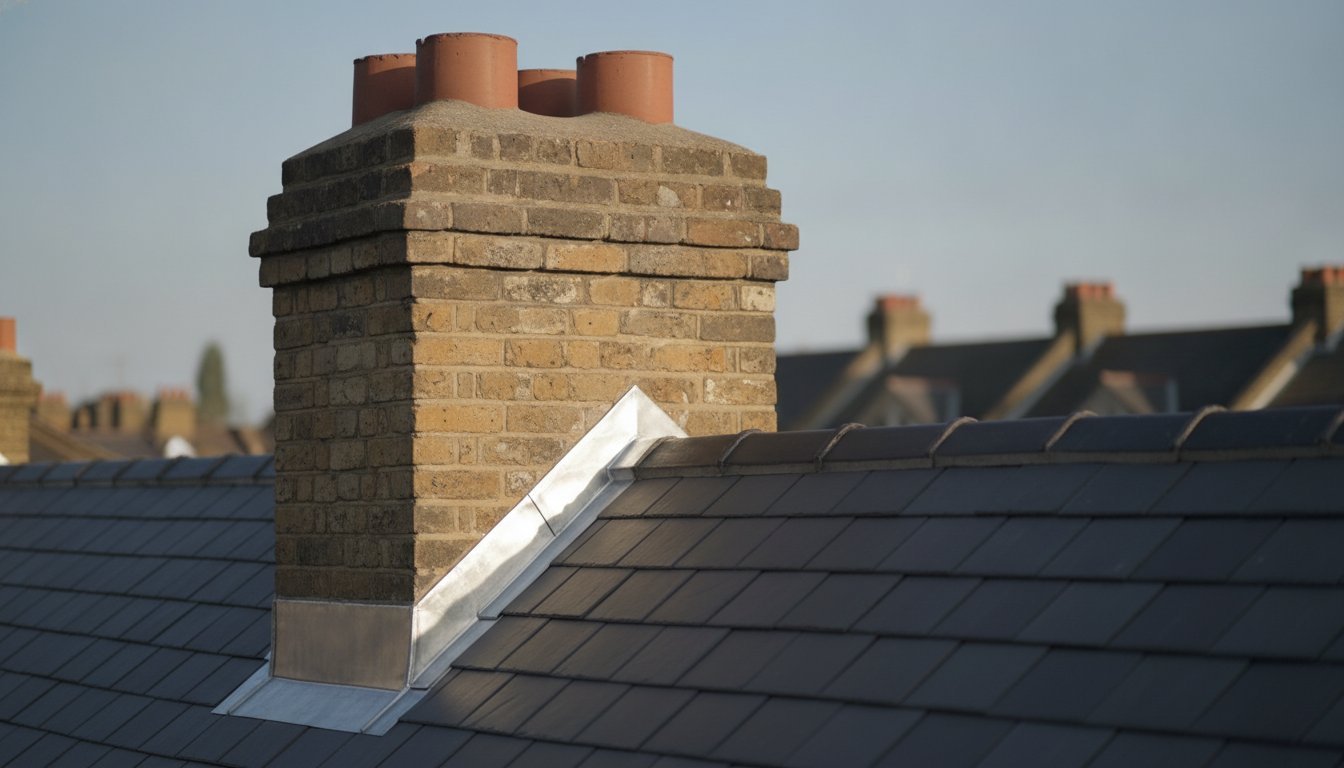
Before any hardware is fitted, we perform a detailed inspection of the flaunching. This is the mortar crown that holds the chimney pot in place. If this mortar is crumbling or “blown,” fitting a cowl can actually accelerate the pot’s failure. We also look for hairline cracks in the terracotta. Even a small fissure can expand under the tension of a cowl’s fixing straps. This assessment extends to the adjacent leadwork and brick repointing, ensuring the entire stack is watertight before the project is signed off. Where we identify deteriorating mortar joints between the brickwork, we recommend addressing these through professional chimney stack repointing in Hackney to prevent water ingress from undermining the cowl installation. If our inspection reveals that the weatherproofing around your stack has deteriorated, a professional lead flashing repair in Hackney may be required to prevent water from penetrating the junction between the chimney and the roof surface.
Safe Access and Secure Fixing Methods
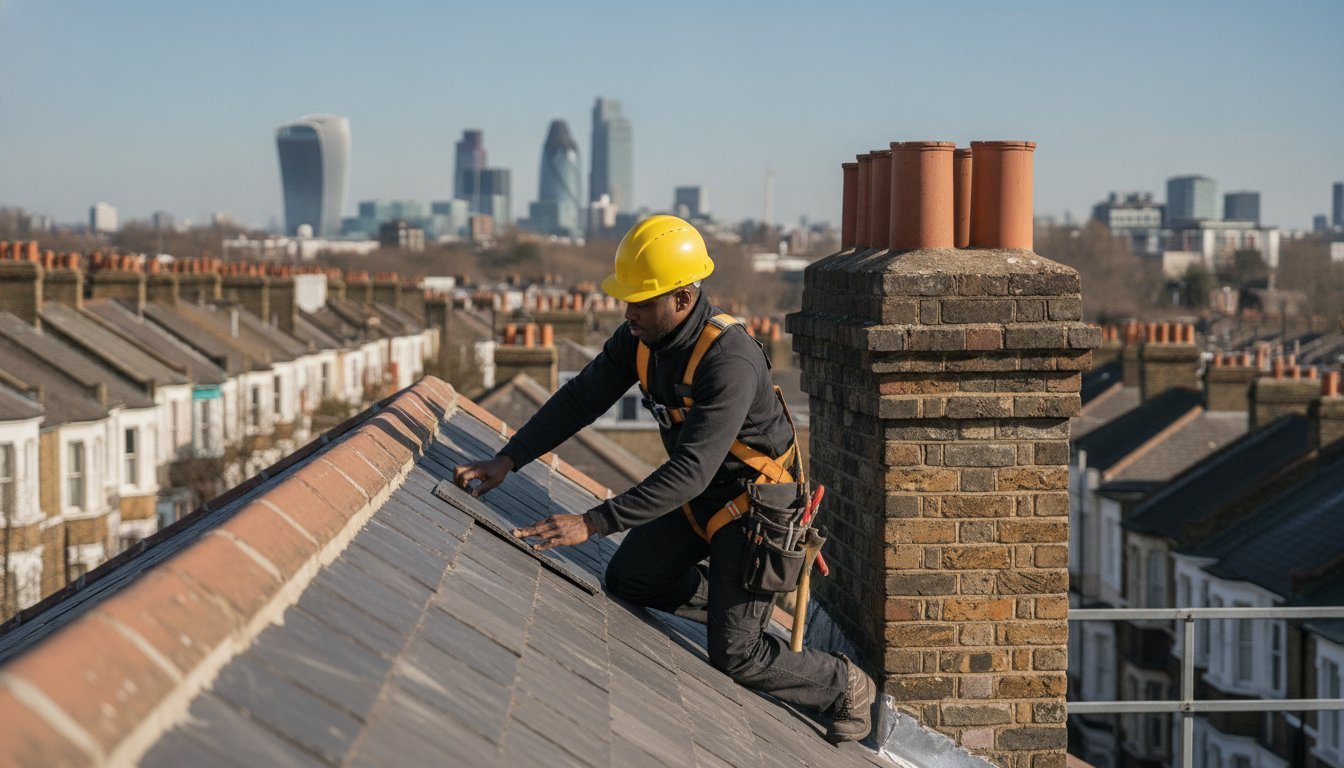
Accessing a chimney on a three-storey Hackney terrace requires specialist equipment. We use roof ladders and safety harnesses to provide a stable working platform. When it comes to the fitting itself, we prefer high-tension stainless steel strap-fixings over older hook-bolt methods. Straps distribute pressure evenly around the circumference of the pot, which significantly reduces the risk of cracking the clay. A precise, level fit is essential. If a cowl is even slightly tilted, it can create a resonant whistling noise during high winds, a common nuisance in the urban canyons of East London. Our methodical approach ensures a silent and secure finish that stands up to the most demanding weather conditions.
Local Considerations for Hackney Homeowners: Conservation and Climate
Hackney’s architectural landscape is a tapestry of historical periods, ranging from Georgian townhouses to Victorian terraces. For homeowners in this borough, a chimney cowl installation Hackney project isn’t merely a technical fix; it’s a matter of heritage preservation. The local authority maintains strict oversight on alterations that affect the character of the street, particularly when dealing with original chimney stacks. Choosing a specialist with deep expertise in slate roofing is essential to ensure that any work on the pot or stack respects the structural and aesthetic integrity of the period building.
The dense urban environment of East London creates a micro-climate that differs significantly from suburban areas. High-density housing and the varying heights of neighbouring buildings disrupt natural airflow. This results in erratic wind patterns that can either stifle a chimney’s draw or create aggressive downdraughts. Whilst the primary goal is protection, the cowl must remain a subtle addition. An overly industrial or modern-looking fitting can detract from the visual harmony of a historic roofline, potentially leading to enforcement issues in protected zones.
Navigating Hackney’s Conservation Area Requirements
A significant portion of the borough falls within designated conservation areas, such as the leafy streets of Stoke Newington or the vibrant blocks of Dalston. In these locations, Article 4 Directions often apply, meaning that even minor changes like replacing a chimney pot or adding a cowl may require planning permission. We advise choosing “discreet” cowl designs, such as those finished in terracotta or stone-buff, which satisfy local planning officers by mimicking traditional clay pots. The height of the fitting is also a factor; it should be as low-profile as possible whilst still performing its technical function of managing airflow and preventing ingress.
Addressing East London’s Specific Pest and Weather Challenges
Pest management is a primary concern for residents in Hackney Central and Haggerston, where the pigeon population is particularly dense. These birds frequently seek out the warmth of chimney flues for nesting, which can lead to blockages and fire hazards. Additionally, the “urban heat island” effect in London can cause the air within the flue to remain warmer than the outside air for longer periods, potentially affecting the buoyancy of smoke. High-velocity wind turbulence between tall buildings necessitates the use of specific anti-downdraught cowls to maintain a consistent upward pull. If you are concerned about how local regulations or weather patterns affect your property, request a heritage-sensitive consultation to discuss the best options for your home.
Professional Chimney Services by Roofing in Hackney
Roofing in Hackney stands as the premier choice for homeowners seeking a technical, integrated approach to chimney cowl installation Hackney wide. We don’t just fit a part; we provide a comprehensive structural assessment that ensures your chimney and roof work together as a single, weather-proof system. Whilst a chimney sweep is essential for internal flue cleaning, our expertise as master craftsmen allows us to address the external vulnerabilities that a sweep might overlook. By choosing a specialist roofing contractor, you’re investing in the long-term durability of your property’s most exposed structural element.
Every visit we conduct includes a methodical roof health check. This proactive service often identifies minor issues, such as a slipped slate or a hairline crack in a chimney pot, before they escalate into significant internal damp problems. We pride ourselves on transparency and technical precision, providing you with a clear understanding of your chimney’s condition. If you’re concerned about the efficiency of your fireplace or the integrity of your stack, we encourage you to contact us for a specialist assessment tailored to your property’s unique requirements.
Why Expert Roofing Knowledge Matters for Chimney Work
A chimney cowl installation is only as secure as the masonry and leadwork surrounding it. Our team possesses the specialised skills required to identify and repair failing lead flashing whilst on the roof, ensuring that water cannot penetrate the junction between the stack and the roofline. We understand the nuances of period architecture, particularly when integrating modern cowls with traditional materials. If your home is due for a roof replacement in Hackney, we can coordinate the chimney restoration as part of the project. This holistic approach protects your surrounding slates or tiles from damage and ensures a seamless, heritage-compliant finish.
Integrated Repairs: Leadwork, Repointing, and Cowls
We provide a “one-visit” solution that addresses the multiple factors contributing to chimney damp and inefficiency. Our service often combines the fitting of high-grade stainless steel cowls with precision repointing and lead flashing repair in Hackney to ensure every potential water entry point around your stack is fully sealed. For properties where the mortar joints between chimney bricks have begun to erode, we also carry out chimney stack repointing in Hackney as part of the same visit, addressing the root cause of water ingress before it compromises the new cowl. This efficiency not only saves you the cost of multiple call-outs but also ensures that all repairs are executed to a uniform, high standard. We use materials carefully selected to match the existing Victorian or Georgian architecture of your street, maintaining the aesthetic harmony that makes Hackney’s property market so distinctive. Our goal is to provide a result that is both technically superior and visually sympathetic. Secure your chimney for 2026 and beyond by choosing a partner that values craftsmanship and local reliability above all else.
Securing Your Hackney Roofline for the Future
Protecting your home starts with recognising that the chimney is often the most exposed element of a period property. By choosing the correct hardware and ensuring a professional chimney cowl installation Hackney homeowners can effectively eliminate the risks of water ingress, pest infestations, and persistent downdraughts. We’ve discussed how the latest 2026 technical standards and local conservation requirements demand a specialist approach that respects the unique architectural character of East London.
As specialists in Victorian and Georgian heritage roofing, we provide comprehensive structural chimney inspections to ensure every installation is grounded in long-term durability. Our local Hackney craftsmen deliver a hassle-free service that integrates perfectly with your building’s existing leadwork and masonry. It’s an investment in both your home’s efficiency and its historic charm that prevents costly internal repairs later.
Request a Professional Chimney Assessment in Hackney to safeguard your property today. We look forward to helping you preserve the integrity of your home for years to come.
Frequently Asked Questions
Do I need planning permission for a chimney cowl in Hackney?
Planning permission is generally not required for a cowl unless your property is situated within a conservation area. In locations such as the St Mark’s conservation area, an Article 4 Direction is in place which removes permitted development rights for alterations to chimneys. It’s essential to verify your property’s status with Hackney Council to ensure any modifications to your roofline comply with local heritage regulations.
How much does chimney cowl installation cost in London?
The investment required for a chimney cowl installation Hackney residents can expect depends on several logistical factors. The primary variables include the height of your chimney stack, the specific type of cowl required for your fuel type, and whether specialist scaffolding is necessary for safe access. A professional assessment is the only way to determine a precise figure based on the structural needs of your property.
Can a chimney cowl stop birds from falling down my chimney?
Yes, a cowl fitted with a high-quality mesh guard is the most effective defence against avian intruders. This is a common requirement in East London where pigeons and jackdaws often seek the warmth of active flues for nesting. By installing a bird-guard cowl, you prevent debris from falling into the hearth and eliminate the risk of flue blockages that can lead to dangerous carbon monoxide build-up.
What is the best chimney cowl for a wood-burning stove?
For wood-burning stoves, a high-grade stainless steel anti-downdraught cowl is considered the industry standard in 2026. These cowls are engineered to withstand the high temperatures and corrosive soot particles produced by wood combustion. They also help regulate the draught in the flue, ensuring your stove burns fuel more efficiently whilst preventing smoke from blowing back into your living room during gusty weather.
How long does it take to install a chimney cowl?
A standard installation is typically completed within a single day. This timeframe allows our craftsmen to perform a thorough structural inspection of the chimney pot and the surrounding flaunching before the fitting begins. If we identify that the mortar crown is crumbling or the pot is cracked, we may need additional time to perform minor repairs to ensure the installation remains secure for the long term.
Should I get a chimney cowl if my fireplace is disused?
It’s highly advisable to fit a ventilating cowl even if your fireplace is no longer in use. An open, disused flue acts as a funnel for rainwater, which can saturate the internal masonry and cause persistent damp patches on your walls. A dedicated “capping” cowl prevents water ingress and bird nesting whilst still allowing the chimney to breathe, which is vital for preventing condensation and salt damage within the stack.
Can a chimney cowl fix a smoky fireplace?
An anti-downdraught cowl is specifically designed to resolve smoke issues caused by wind turbulence around your roofline. By creating a low-pressure zone at the top of the flue, the cowl helps pull smoke upwards even when external air patterns are erratic. However, if your fireplace is smoking due to a blocked flue or an incorrectly sized hearth, you may require a full technical inspection to address the root cause.
Is it possible to install a chimney cowl myself?
We strongly advise against DIY installation due to the extreme safety risks of working at height on Hackney’s tall terraces. Professional installers use specialist roof ladders and safety harnesses that are essential for high-level work. Furthermore, a master craftsman can identify underlying structural issues, such as failing leadwork or loose brickwork, that must be addressed to ensure the cowl doesn’t become a hazard during high winds.