What if the most important component protecting your Hackney home from the British weather is a material you’ve never actually been taught to maintain? That damp patch creeping across your chimney breast isn’t just a cosmetic nuisance; it’s often a sign that the lead weatherproofing on your roof has finally succumbed to time. If you’re looking for professional lead flashing repair Hackney, you’ve likely encountered confusing technical jargon or feared being overcharged for a repair that won’t last the winter. We understand the stress of managing a period property, especially when you’re trying to balance modern durability with heritage preservation.
This guide will help you identify early signs of lead failure and understand the specific lead codes that dictate the longevity of your roof. You’ll learn how to protect your home’s character whilst ensuring it remains completely watertight for decades to come. We’ll explore the essential British Standards, such as BS EN 12588, and explain why a like-for-like approach is the only way to protect your investment whilst satisfying the strict requirements for Hackney’s 1,300 listed buildings.
Key Takeaways
- Understand why traditional lead remains the gold standard for weatherproofing Hackney’s Victorian and Georgian terraces, offering longevity that modern alternatives cannot match.
- Learn to decipher the numeric lead code system to ensure your roof receives the correct thickness of material, preventing future structural fatigue.
- Discover the specific criteria used to determine if a professional lead flashing repair Hackney is viable or if a full replacement is required to protect your masonry.
- Gain insight into the specialist “chasing” and welding techniques that ensure a secure, watertight bond between your chimney and roof tiles.
- Recognise the long-term value of professional craftsmanship and British Standards in preserving your period home’s aesthetic and structural integrity.
Why Lead Flashing is the Unsung Hero of Hackney’s Victorian and Georgian Roofs
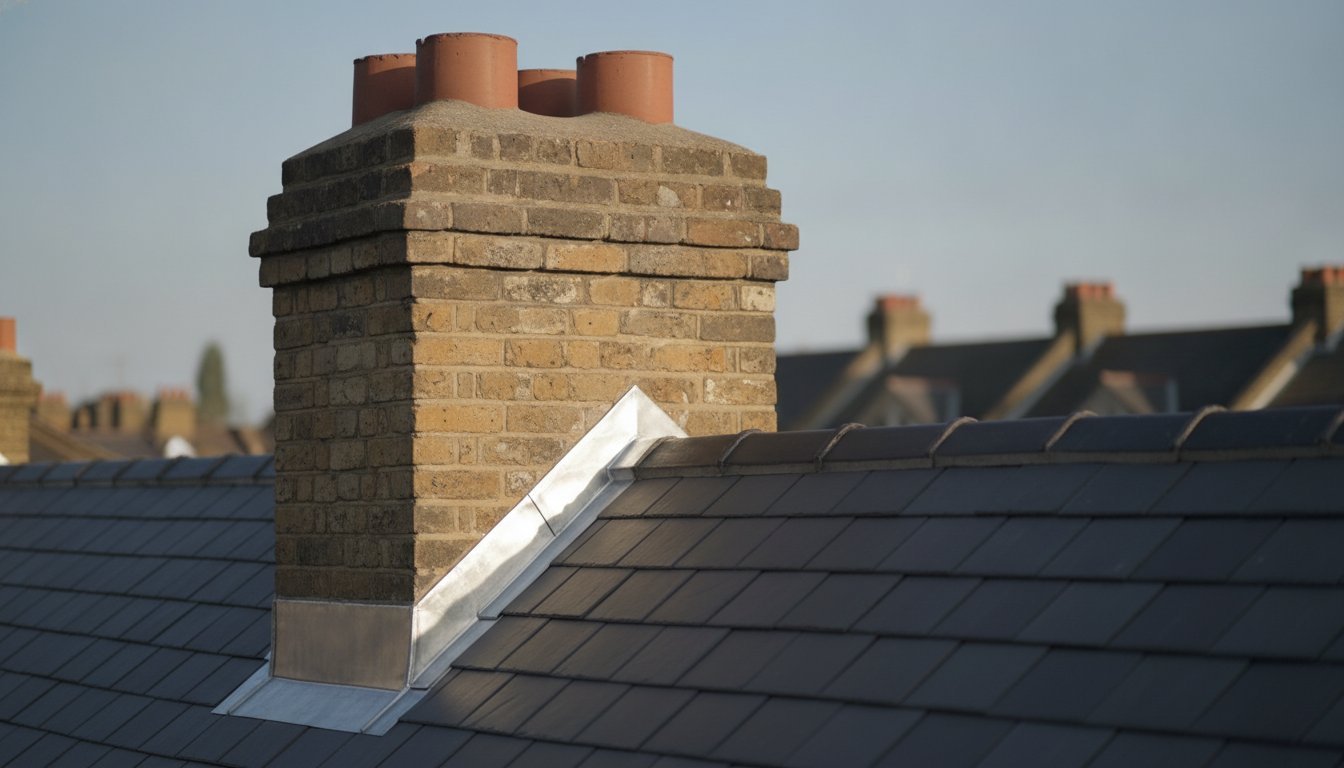
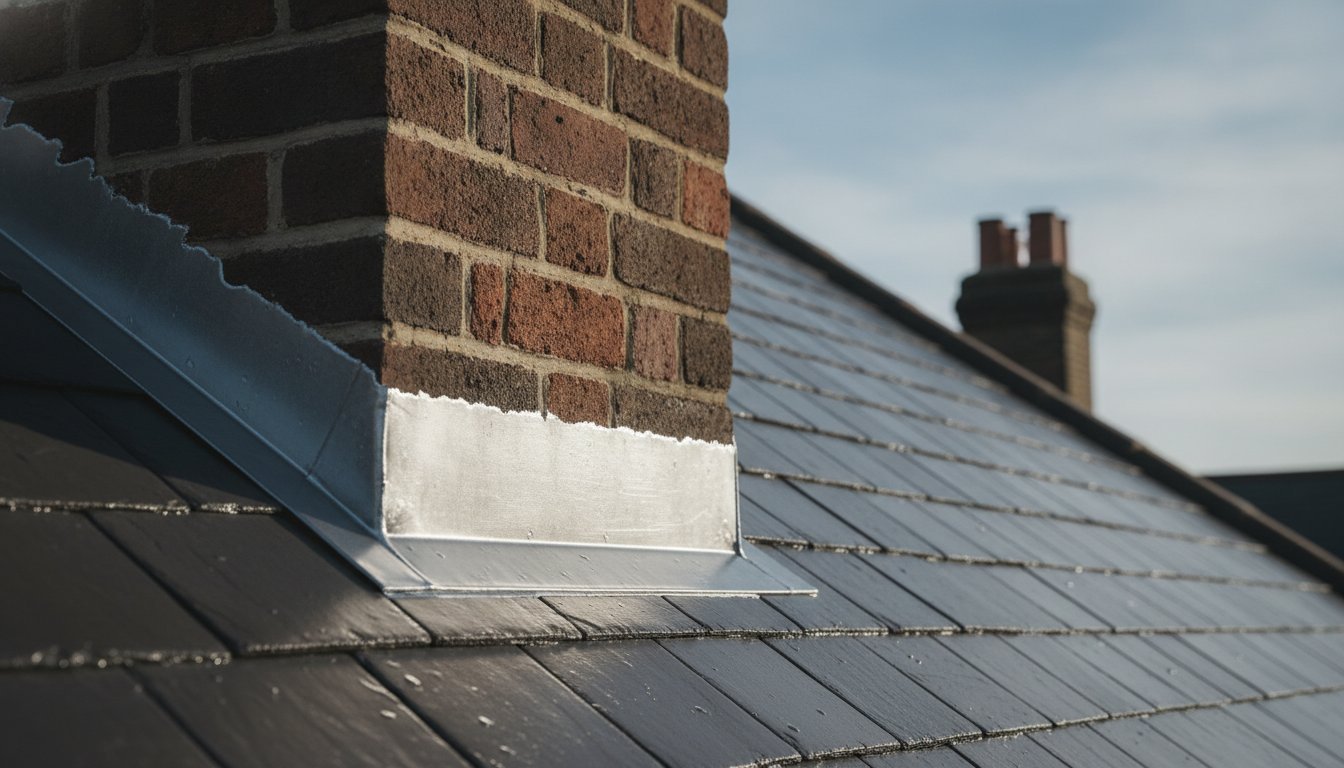
Lead flashing acts as the critical barrier between your roof’s slate or tiles and the brickwork of your chimney or parapet walls. In the technical sense, Flashing (weatherproofing) refers to the thin pieces of impervious material installed to prevent water from entering a structure from a joint or as part of a weather resistant barrier system. For the Victorian and Georgian terraces that define Hackney’s skyline, lead has remained the undisputed gold standard for centuries. Unlike modern plastic or rubber alternatives, lead possesses a unique combination of weight, malleability, and longevity that allows it to be dressed over complex shapes whilst maintaining a watertight seal.
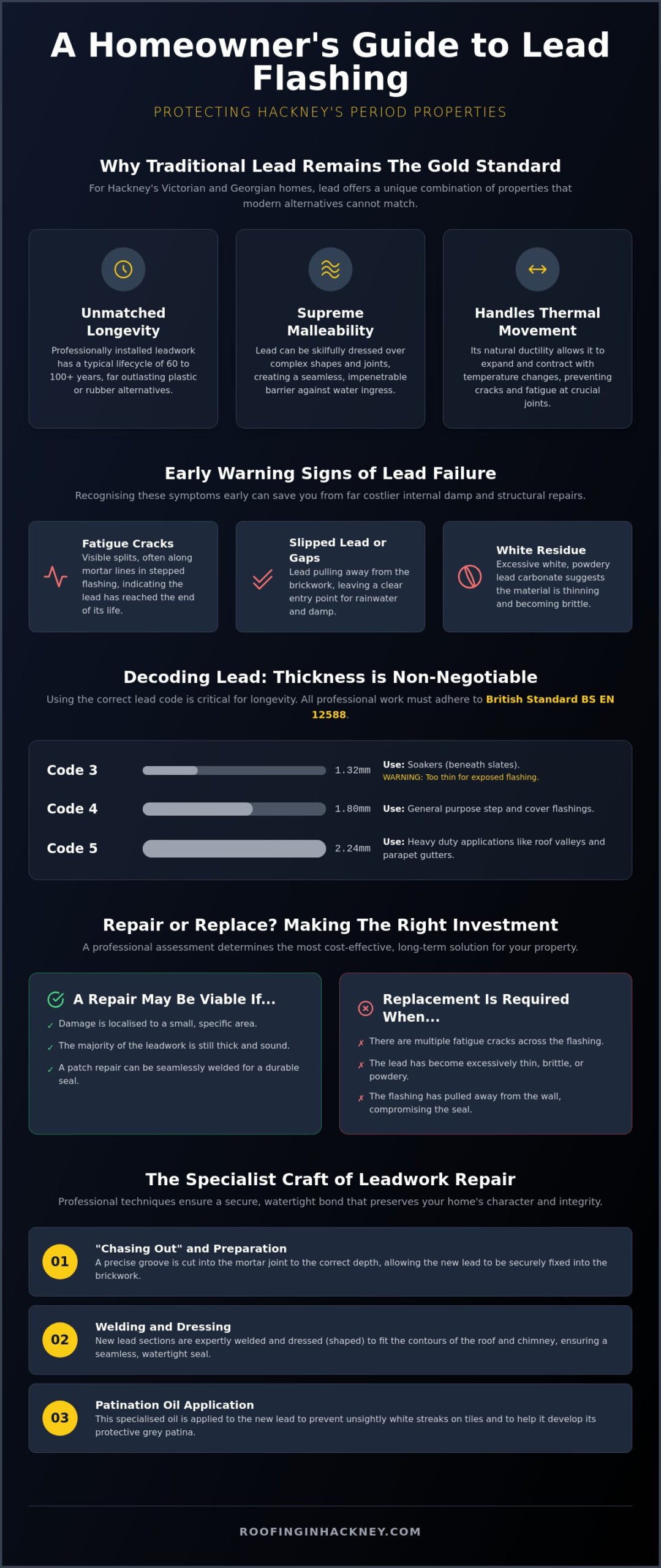
One of the primary reasons we recommend lead for lead flashing repair Hackney is its ability to handle “thermal movement”. Throughout the year, your home expands and contracts as temperatures fluctuate. Lead is naturally ductile; it can “breathe” with the building without cracking or pulling away from the masonry. This flexibility is particularly vital for chimney stacks and valley gutters, where two different structural elements meet. Without this resilient bridge, water would quickly find its way into your roof space through capillary action, eventually causing timber rot and damp internal walls.
Common Failure Signs in East London Properties
Recognising the early symptoms of failure can save you from costly internal repairs. One of the most frequent issues we see in Hackney is “stepped” flashing cracks along chimney mortar lines. These often occur when the lead has reached the end of its fatigue life. You might also notice a white, powdery residue known as lead carbonate. While this is a natural oxidation product, an excessive buildup suggests the material is thinning and becoming brittle. If you spot slipped lead or gaps where the metal has pulled out of the wall, it’s a clear signal that the weatherproofing has failed and dampness will soon follow. In many cases, deteriorating mortar joints on the chimney stack itself are the root cause, and chimney stack repointing in Hackney may be required alongside any leadwork repairs to fully resolve the problem.
The Impact of Hackney’s Urban Environment on Leadwork
The urban environment of East London presents specific challenges for leadwork. High levels of London pollution can accelerate the oxidation process, making the application of patination oil essential during any repair. This specialised oil prevents the formation of unsightly white streaks on your slate roofing and ensures the lead develops its characteristic dull grey finish. In areas like E8 and E9, much of the original leadwork on period properties is now reaching the end of its 60 to 100-year lifecycle. Proactive maintenance is the most effective way to preserve the heritage character of your home whilst avoiding the stress of emergency leaks.
Understanding Lead Codes and British Standards for Lasting Repairs
The durability of leadwork depends entirely on selecting the correct thickness for the specific application. In the UK, lead is categorised by a numeric “Code” system, which dictates the weight and thickness of the sheet. For any lead flashing repair Hackney, adhering to the BS EN 12588 standard for milled lead sheet is non-negotiable. This standard ensures the metal is rolled to a consistent thickness, providing the predictable thermal movement required to prevent premature fatigue and cracking. Using the wrong code is the most common reason we see lead fail on East London rooftops long before its time.
Lead is effectively a living material; it expands in the summer heat and contracts during London’s damp winters. In Hackney’s dense urban environment, airborne pollutants and the local micro-climate can interfere with the natural formation of the protective patina layer. If the lead is too thin for the length of the run, this constant movement creates stress points. Over time, these points turn into “fatigue cracks”, allowing water to bypass your roof’s primary defences. Selecting the right code ensures the metal can withstand these cycles for up to a century whilst remaining completely watertight.
Which Lead Code is Right for Your Repair?
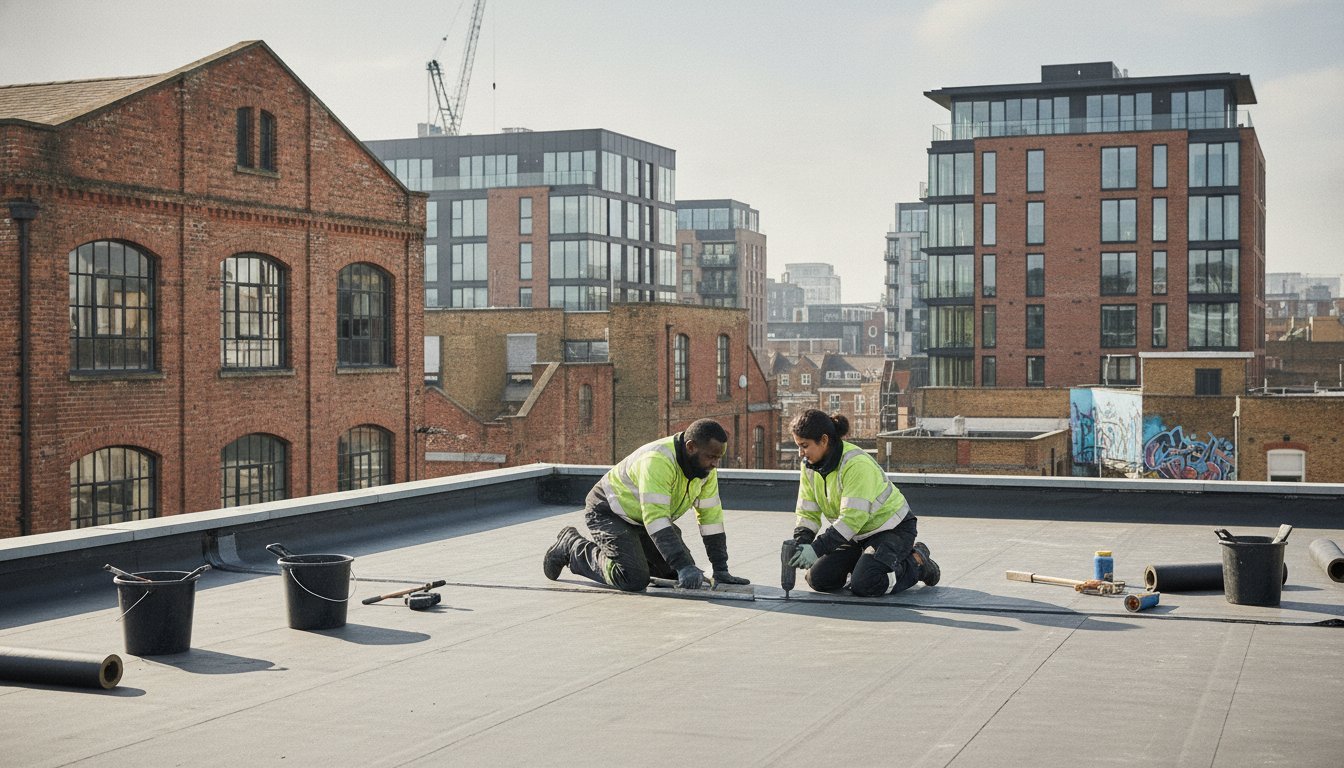
Selecting the wrong material is a frequent error that leads to early failure. Code 3, at 1.33mm thick, is reserved exclusively for soakers that sit beneath slates; it’s too light for flashings and will likely buckle if exposed to the wind. For most residential streets in E8 and E5, Code 4 and Code 5 represent the “sweet spot” for chimney flashings and roof valleys. These provide the necessary weight to stay in place without being so heavy they strain the underlying structure. Heavier options, like Code 6 or Code 7, are typically required for flat roof coverings or deep parapet gutters on heritage buildings where the metal covers a larger surface area. For a detailed look at how these code selections play out in practice, our lead valley repair Hackney heritage restoration case study illustrates exactly how the correct specification is determined for period properties.
The Importance of Milled vs. Cast Lead
We prioritise milled lead sheet because it offers the precision required for modern British Standards. Unlike traditional sand-cast lead, which can have thin spots and structural inconsistencies, milled lead is precision-rolled. This uniformity means every millimetre of your repair provides the same level of protection. Using inferior, non-standard alternatives might save costs initially, but it often leads to leaks within just a few years. If you are concerned about the state of your current leadwork, you can request a professional assessment from our local team to ensure your home remains protected.
Lead Flashing Repair vs. Replacement: Making the Right Investment
Deciding whether to invest in a lead flashing repair Hackney or opt for a complete replacement is a common dilemma for homeowners in East London. A repair is a viable long-term solution when the lead sheet remains structurally sound but has suffered a localised split from physical impact or minor thermal stress. However, many properties in Hackney suffer from “quick fix” attempts using bitumen paint or flashband tape. These materials are a false economy. They trap moisture against the lead and fail within months, often making an eventual professional repair more difficult and expensive due to the adhesive residue left behind.
The primary criteria for a successful repair is the thickness and age of the existing material. If the lead is relatively modern and has simply pulled away from a mortar joint, it can be easily secured and repointed. If the metal itself is showing signs of “crazing” or thinning, the structural integrity is lost. In these instances, attempting to patch the area is merely delaying the inevitable. Investing in a full replacement using the correct lead code ensures the weatherproofing matches the 60 to 100-year lifespan of a traditional slate roof.
When to Choose Specialist Lead Welding
Lead welding, traditionally known as “lead burning”, involves using an oxygen-propane torch to fuse a new piece of lead to the existing sheet. This creates a permanent, seamless bond that is just as strong as the original material. It is an excellent choice for repairing localised splits in valley gutters or chimney soakers where the rest of the run is in good condition. It’s essential to hire a specialist for this task. Older timber roof structures in Victorian terraces are highly combustible; professional leadworkers use specific heat-shielding techniques and follow strict “hot work” safety protocols to eliminate fire risks during the process.
Signs That Full Lead Replacement is Non-Negotiable
There are certain conditions where welding is no longer possible. If your leadwork is covered in multiple “spider-web” fatigue cracks, the metal has become brittle throughout its structure. This is often accompanied by underside corrosion, which appears as a white powdery substance that eats away at the lead from the bottom up. In these cases, the metal is too thin to accept a weld. If you are already planning a roof replacement in Hackney, it’s the ideal time to upgrade your flashings to a higher code. This ensures your new roof is supported by weatherproofing that meets 2026 building standards and provides long-term peace of mind.
The Specialist Process: Professional Leadwork Repair Techniques
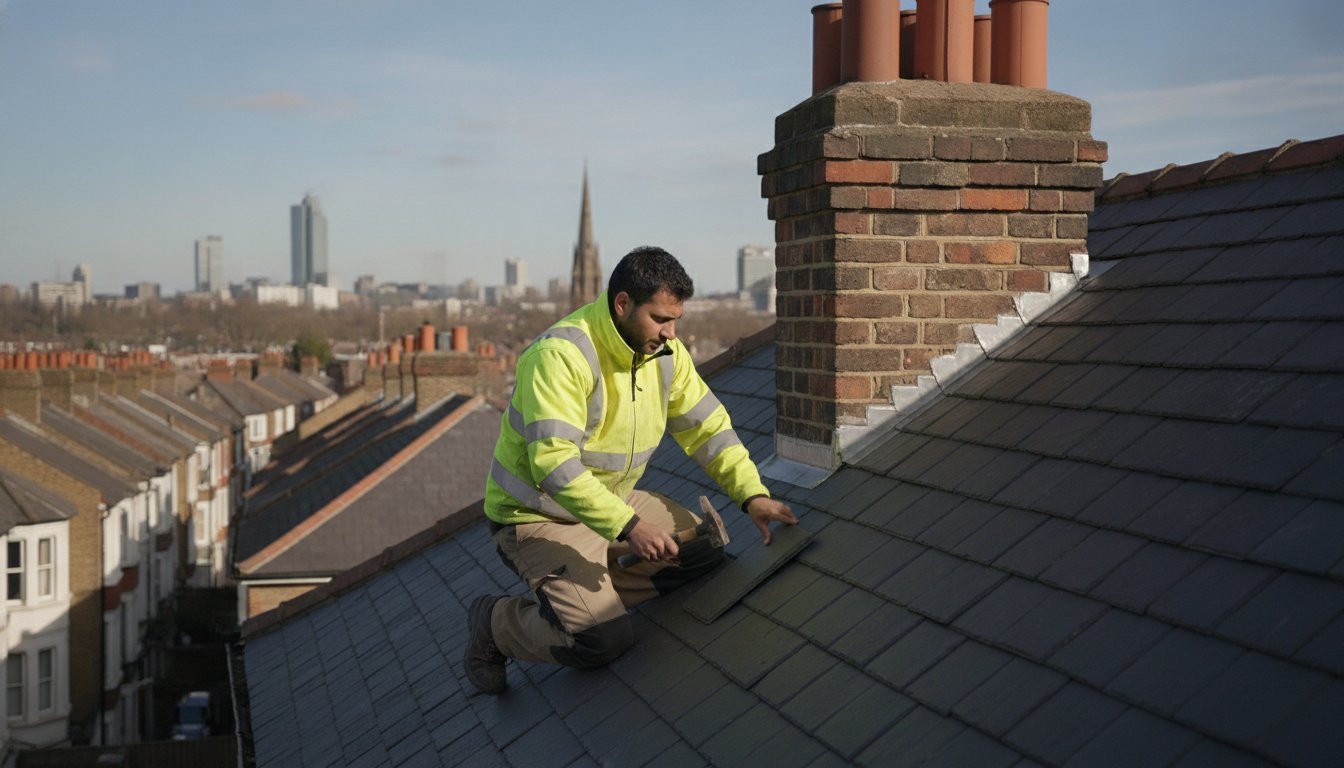
Execution of a professional lead flashing repair Hackney requires a methodical approach that respects the fragile nature of period masonry. The process begins with the careful removal of the failed lead sheet. We avoid using heavy-duty power tools that might rattle the underlying brickwork; instead, we use hand tools to clear the existing mortar joints. This preservation of the building’s original fabric is essential, particularly when working within one of Hackney’s many conservation areas where heritage standards are strictly enforced. Like-for-like repairs are the priority here, ensuring the replacement material matches the original profile exactly.
Once the area is clear, we perform the “chasing” process. This involves cutting a clean groove, or chase, at least 25mm deep into the mortar joint. A common mistake in amateur repairs is cutting too shallow, which prevents the lead from being properly anchored. We then secure the new lead using hand-rolled lead wedges or stainless steel hall-clips. These mechanical fixings are spaced specifically to prevent “slippage”, a frequent issue on the steep pitches of East London’s Victorian terraces. To finish, the joint is pointed using either a high-grade lead sheet sealant or traditional lime mortar, depending on the specific requirements of the property’s heritage status.
Bossing and Tailoring: The Craftsman’s Skills
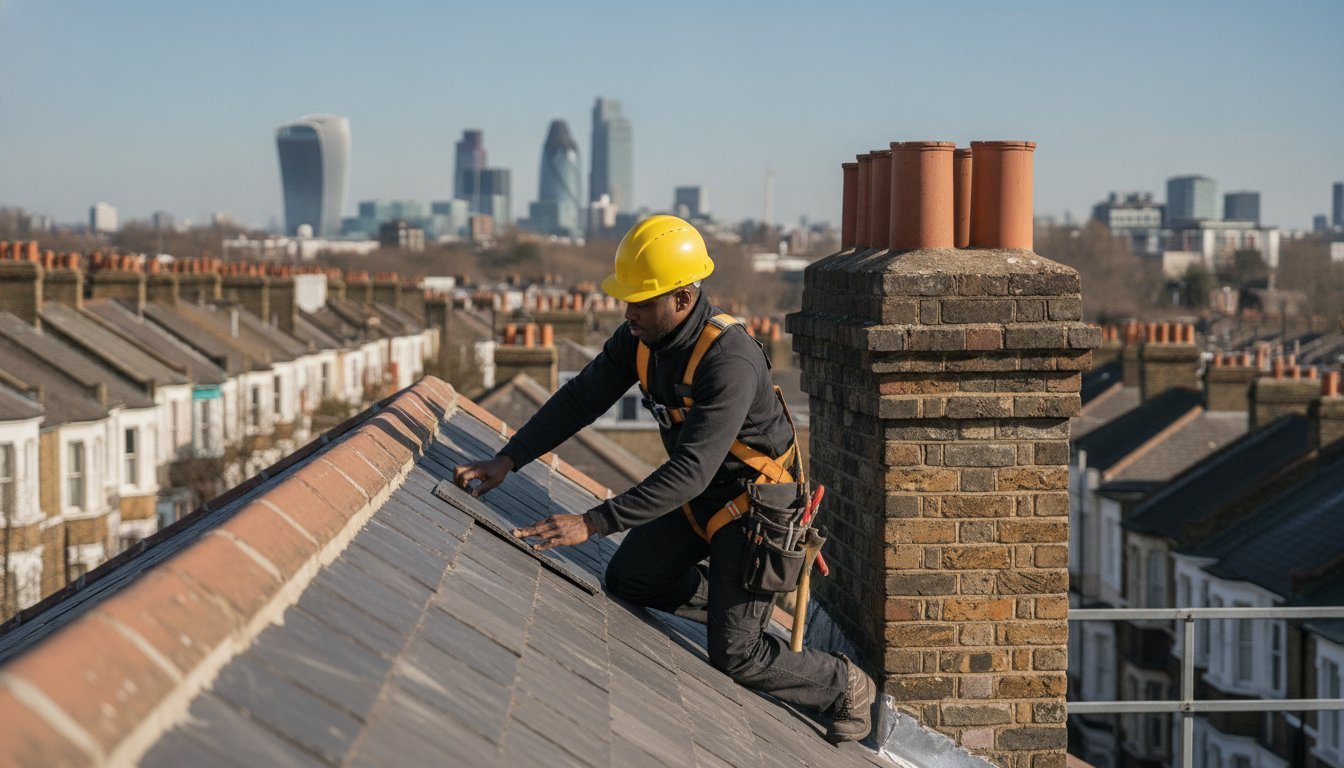
The true mark of a master craftsman lies in “bossing”. This is the traditional technique of shaping lead using wooden or plastic mallets and dressers to fit complex chimney corners and roof intersections. We never “over-work” the metal; excessive hammering can lead to hidden thinning, creating weak spots that will eventually fail under thermal stress. Correct lap lengths are also vital. We ensure each piece of lead overlaps the next by a minimum of 100mm to prevent wind-driven rain from being forced underneath the flashing during heavy London storms.
Coordinating with Chimney and Slate Repairs
A leadwork project provides a rare opportunity to inspect the higher reaches of your property. This is the ideal time to investigate chimney maintenance in Hackney, as the lead and masonry work in tandem to keep the stack stable. We often find that integrating new leadwork alongside repairs to slate roofing creates a more unified drainage system. Ensuring these components are installed together prevents water from finding gaps at the transition points between different materials. If crumbling mortar joints are identified during the inspection, addressing chimney stack repointing in Hackney at the same time ensures the entire chimney assembly is fully weather-tight. If you suspect your weatherproofing has been compromised, you can book a technical survey with our team to assess your roof’s condition.
Securing Your Roof’s Future with Roofing in Hackney’s Leadwork Services
Maintaining the structural integrity of a period property in East London requires more than just general roofing knowledge. It demands a deep appreciation for the traditional materials that have protected these buildings for generations. When you choose a specialist for your lead flashing repair Hackney, you aren’t just fixing a leak; you’re preserving a piece of the borough’s architectural history. We treat every chimney stack and parapet wall with the respect it deserves, using only materials that meet the BS EN 12588 standard for milled lead sheet. This commitment to quality ensures that your repair isn’t a temporary patch, but a long-term investment that can last for 60 years or more.
Our approach follows the strict technical guidelines set out by the Lead Sheet Association (LSA). This means we never take shortcuts with lead codes or fixing methods. By viewing leadwork as a vital structural component rather than a minor detail, we help homeowners avoid the cycle of repetitive, low-quality repairs that often plague older terraces. A correctly installed lead flashing system provides a level of security and aesthetic harmony that modern synthetic substitutes simply cannot replicate. It’s about doing the job right the first time to ensure your home remains watertight through every London winter. To see how these principles are applied to one of the most vulnerable areas of a period roof, read our in-depth guide to lead valley repair in Hackney, which documents a full 2026 heritage restoration project from survey to completion.
Why Hackney Homeowners Trust Our Master Craftsmen
Our reputation as a trusted local advisor is built on transparency and technical proficiency. We understand the specific structural challenges of Victorian and Georgian terraces, from settling masonry to the effects of urban pollution on metal patination. During our quoting process, we provide a clear distinction between essential structural repairs and recommended upgrades for long-term durability. This allows you to make an informed decision based on your budget and the specific needs of your property. We take pride in our work environment, ensuring every site is left clean, tidy, and fully weather-secure at the end of each day.
Get a Professional Leadwork Assessment Today
If you’ve noticed damp patches near your chimney or seen slipped metal on your roofline, the first step is a detailed structural survey. You can contact us to arrange a site visit where we’ll assess the condition of your existing leadwork. During this initial inspection, we’ll identify the current lead codes in use, check for fatigue cracks, and explain the most effective path toward a permanent resolution. Our goal is to provide you with a leak-free home and the peace of mind that comes from knowing your property is protected by expert craftsmanship. We’re here to help you protect your home’s heritage, one joint at a time.
Preserving Your Period Property with Expert Craftsmanship
Protecting a Victorian or Georgian home in East London requires a commitment to traditional materials and precise technical standards. By prioritising correct lead codes and LSA-compliant installation techniques, you’ll transform a recurring leak into a century-long weatherproofing solution. A professional lead flashing repair Hackney doesn’t just stop water ingress; it preserves the structural integrity and aesthetic value of your heritage building.
We’ve explored how the right material choice and specialist “bossing” techniques make the difference between a temporary patch and a permanent fix. As specialists in Victorian and Georgian lead restoration, our team ensures every joint and chase is executed with the precision Hackney’s architecture demands. Our local experts possess decades of heritage experience and work strictly to Lead Sheet Association standards to guarantee long-term durability.
It’s time to stop worrying about damp walls and start investing in your roof’s future. Request an Expert Leadwork Survey from Roofing in Hackney today to ensure your home remains protected for decades to come. We’re ready to help you maintain your property’s unique character with the care it deserves.
Frequently Asked Questions
How long should lead flashing last on a Hackney property?
High-quality lead flashing should last between 60 and 100 years when installed to British Standards. Its lifespan depends heavily on the lead code selected and the skill of the craftsman who shaped it. In Hackney’s urban environment, factors like thermal expansion and airborne pollutants mean that even the best leadwork requires a professional inspection every few decades to identify fatigue cracks early.
Can I use adhesive flashing tape as a permanent repair for lead?
Adhesive flashing tape is never a permanent solution for a period home. Whilst it might stop a leak for a few months, it cannot accommodate the thermal movement that lead is designed for. These tapes often leave a sticky residue that complicates a proper lead flashing repair Hackney later on. We always recommend traditional lead welding or replacement over temporary quick fixes.
Why is my lead flashing turning white and powdery?
This white residue is lead carbonate, which forms when lead reacts with moisture and carbon dioxide in the air. Whilst a light patina is normal and protective, a heavy powdery buildup suggests the material is oxidising rapidly. This often happens if patination oil wasn’t applied during the initial installation, which can lead to unsightly white streaks on your slate roof tiles.
What is the average cost of lead flashing repair in Hackney?
The cost of leadwork depends on several technical variables rather than a flat fee. Factors include the linear metreage required, the specific lead code used, and whether the repair requires scaffolding for safe access to chimney stacks. Complex bossing around intricate roof intersections also takes more time than simple step flashings, affecting the overall investment required for the project.
Does my lead flashing need regular maintenance or cleaning?
Lead requires very little maintenance, but regular visual checks are sensible. You should ensure that valley gutters are kept clear of debris and that the lead hasn’t slipped or pulled out of its mortar joints. If you notice gaps where the metal meets the brickwork, it’s a sign that the mechanical fixings need attention to prevent water ingress into your roof space.
Which lead code is best for a chimney stack repair?
Code 4 and Code 5 are the standard choices for chimney stack repairs in residential East London. Code 4 is typically used for soakers and flashings on smaller chimneys, whilst Code 5 provides the extra weight and durability needed for larger stacks or more exposed locations. Using a code that is too thin often results in premature cracking due to thermal stress cycles.
Is leadwork repair covered under standard home insurance?
Most standard home insurance policies don’t cover leadwork repairs that result from general wear and tear or age. However, you may be covered if the damage is the direct result of a specific event, such as a severe storm or the theft of lead from your roof. It’s always best to check your individual policy wording regarding accidental damage and heritage materials.
How do I know if my roofer is using genuine milled lead?
Genuine milled lead is manufactured to BS EN 12588 and will have a uniform thickness across the entire sheet. You can often see the manufacturer’s mark or colour-coded branding on the roll before it’s cut. A professional roofer will be happy to confirm the source of their materials and explain why they’ve selected a specific code for your property’s unique requirements.