Imagine waking up to the rhythmic sound of water hitting your floorboards during a heavy London downpour. For many homeowners in East London, this is the moment panic sets in, as you realise a small drip could quickly compromise your home’s structural integrity. When you’re facing an urgent roof leak repair in Hackney, every minute counts to protect your ceilings, electronics, and the intricate masonry of a Victorian terrace.
It’s completely natural to feel overwhelmed by the sudden threat of water ingress and the potential for rising repair costs. You need a solution that stops the damage immediately without falling victim to rogue traders or short-term patches that fail during the next storm. This guide provides a comprehensive, step-by-step emergency checklist designed to help you mitigate damage and secure a professional, long-term repair. We’ll walk you through the essential actions to take right now, from internal containment to choosing a specialist who understands the technical requirements of Hackney’s heritage leadwork and slate roofing.
Key Takeaways
- Learn the immediate steps to contain water ingress and protect your valuables whilst waiting for professional assistance.
- Understand the specific vulnerabilities of Victorian terraces, including slate nail fatigue and degraded lead flashing around chimneys.
- Discover why an urgent roof leak repair in Hackney requires a specialist approach rather than relying on damaging “patch-up” bitumen sealants.
- Access a post-leak recovery checklist to ensure your roof insulation and structural timbers remain sound after the initial emergency is resolved.
- Identify how to select a reliable local contractor through transparent, itemised quotes and proven experience with East London’s unique building styles.
Immediate Steps: What to Do Whilst Waiting for a Roofer
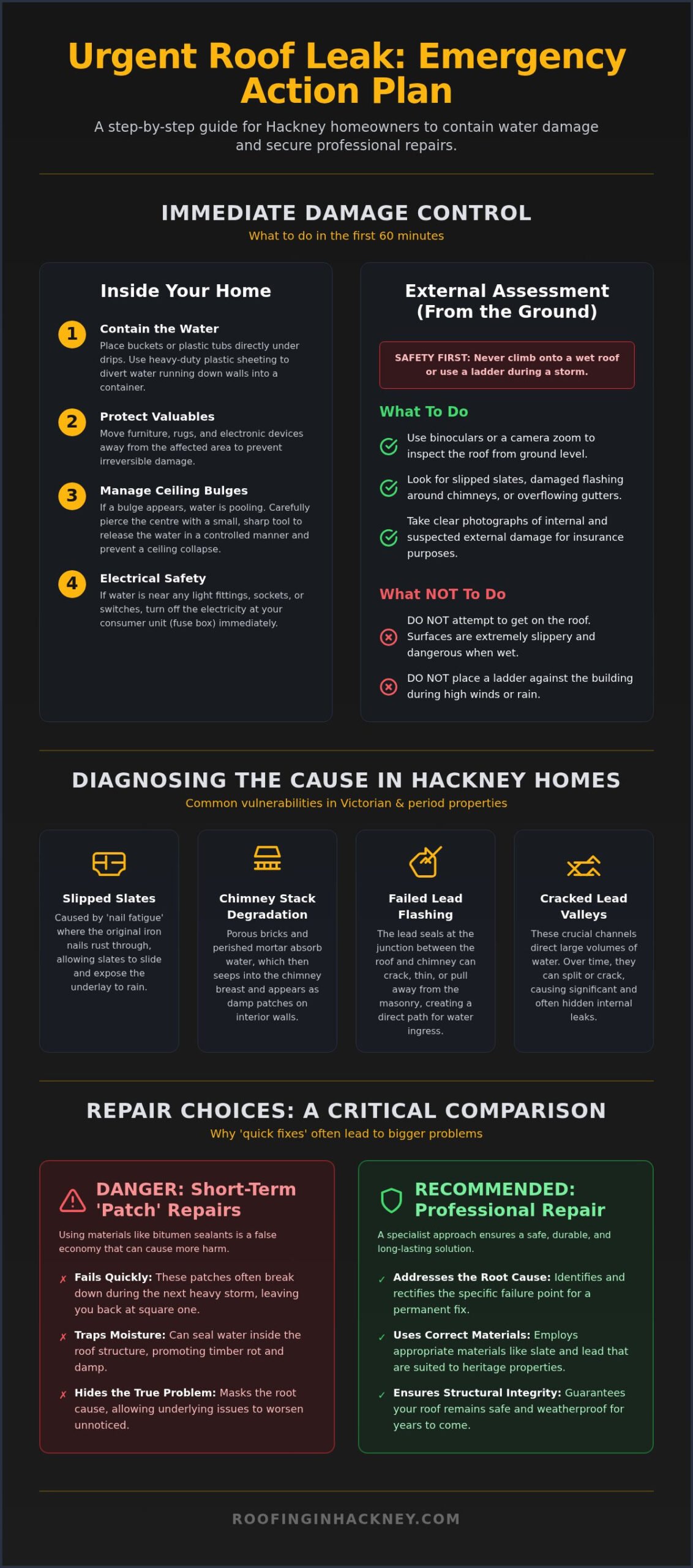
When water starts entering your property, the initial sixty minutes are critical. Securing an urgent roof leak repair in Hackney is your ultimate goal, but your immediate priority is damage limitation. By taking methodical steps now, you can prevent a minor leak from becoming a major structural issue that affects your home’s historic fabric. Quick action reduces the risk of long-term damp and helps keep your eventual repair costs manageable.
Start by placing buckets or plastic tubs directly under the drip. If water is running down a wall, use plastic sheeting or heavy-duty bin liners to divert the flow into a container. Move any furniture, rugs, or electronics away from the affected area. In Hackney’s Victorian terraces, water often travels along lath and plaster ceilings before finding an exit point. Don’t assume the drip is directly below the external hole; water follows the path of least resistance along joists and beams.
Internal Damage Limitation Checklist
If you see a bulge in the ceiling, it means water is pooling behind the plaster. Use a small screwdriver or awl to carefully pierce the centre of the bulge. This controls the flow and prevents the entire ceiling section from collapsing under the weight of the water. Safety is paramount. If water is anywhere near light fittings, pull cords, or sockets, turn off the electricity at the mains immediately. Clear the attic space of any stored items to see if the ingress is soaking into insulation or spreading amongst the structural timbers. If it’s safe to reach, clear any visible debris from internal gutter outlets to ensure water can escape the building properly.
External Visual Assessment (Safety First)
You can often identify the source of the problem without ever leaving the ground. Use binoculars or a smartphone zoom to inspect the roofline from the street or garden. Look for slipped slates, which are common in older East London properties due to nail fatigue, or displaced lead flashing around chimney stacks. Check if your gutters are overflowing. Sometimes a “leak” is actually water backing up because a gutter outlet is blocked with debris. Never attempt to climb onto a wet roof or use a ladder during a storm. The surface will be incredibly slick, and the structural integrity of the roof may be compromised by the water ingress. Ground-level observation is enough to help you describe the issue when you contact a specialist for an assessment.
Document the damage with clear photographs of both the internal leaks and the suspected external source. This evidence is vital for your insurance claim and helps your contractor provide a more accurate, transparent assessment. Once you’ve stabilised the interior, you can focus on securing the professional expertise needed to weatherproof your property for the long term.
Diagnosing the Leak: Common Culprits in Hackney Properties
Identifying the source of an urgent roof leak repair in Hackney requires an understanding of the area’s architectural history. Many properties in East London are Victorian or Edwardian terraces, which present different challenges compared to modern suburban builds. When you need an urgent roof leak repair in Hackney, knowing whether you are dealing with a slipped slate or a flat roof failure is essential for a fast response. Whilst a leak might appear as a simple drip, the root cause is often linked to the specific materials and age of these heritage structures.
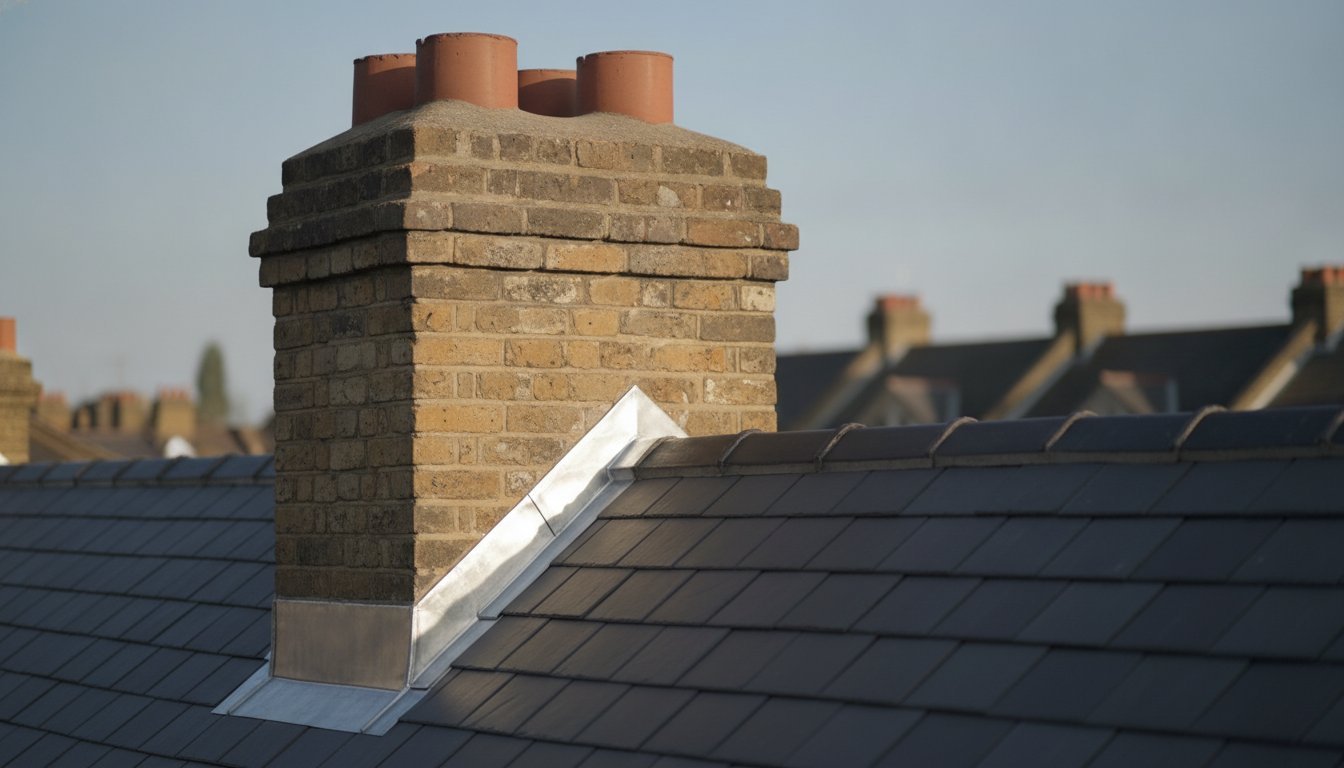
Chimney stacks are a frequent source of water ingress. Over decades, the mortar between bricks can perish, and the bricks themselves may become porous. This allows moisture to seep through the stack and into the breast, appearing as damp patches on interior walls. Lead flashing, which seals the junction between the chimney and the roof, can also crack or pull away from the masonry. These silent leaks often go unnoticed until a heavy storm forces water through the weakened seal.
Victorian Terrace and Period Home Vulnerabilities
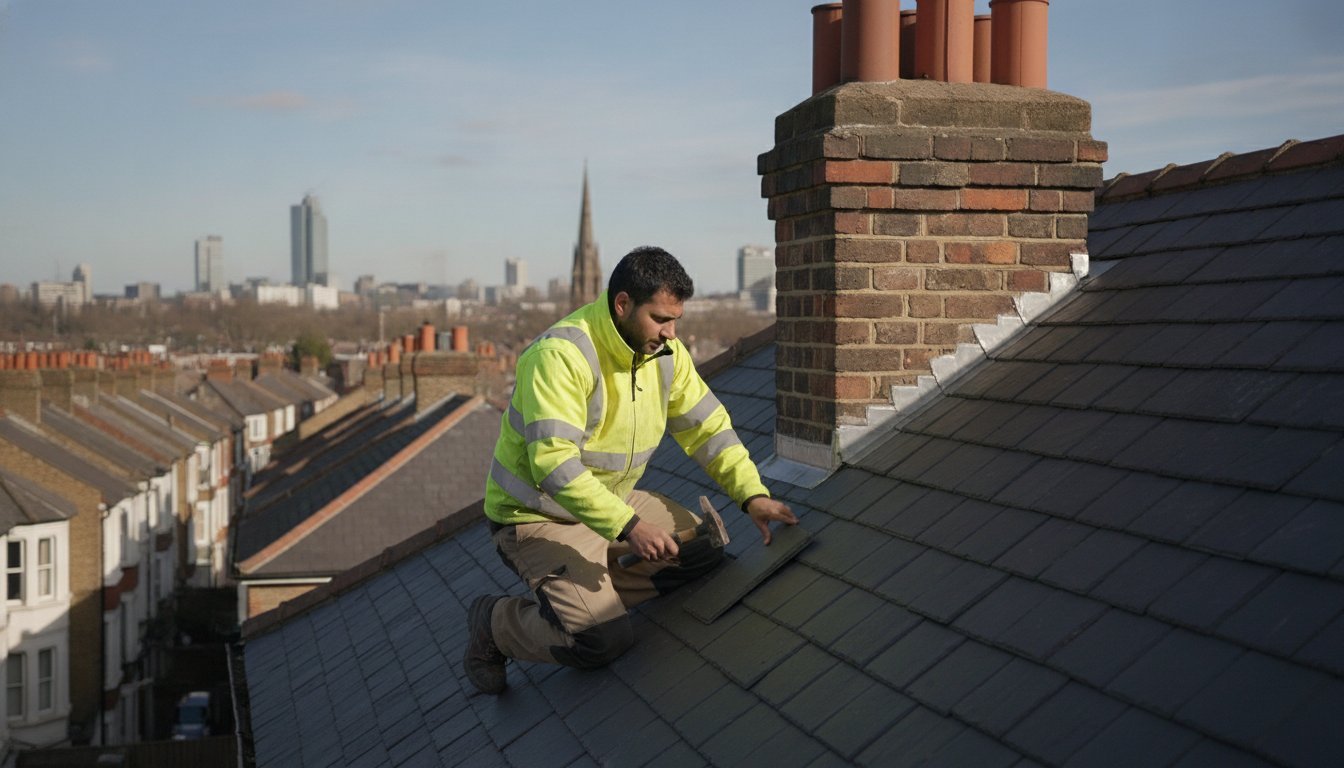
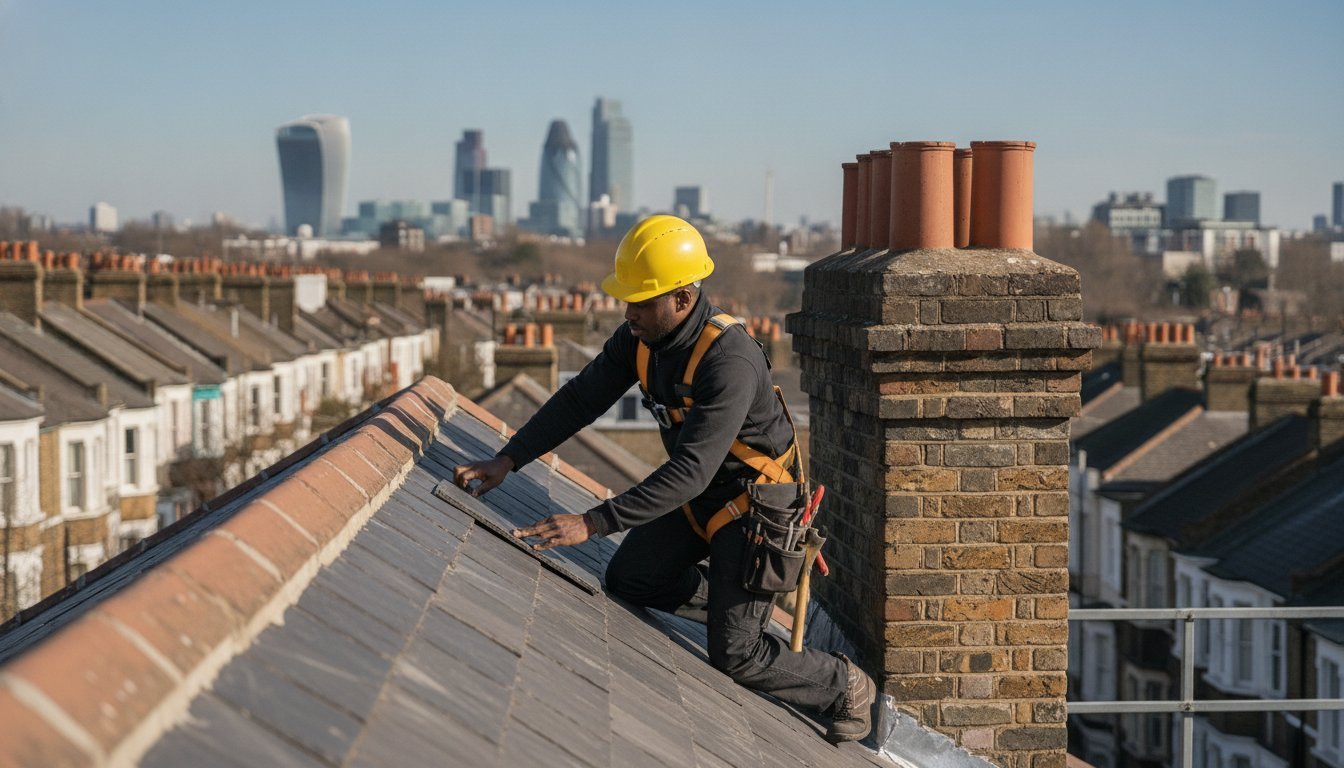
One of the most common issues we encounter is “slate slip.” This occurs due to nail fatigue, where the original iron nails holding the slates in place eventually rust through. When one slate slips, it exposes the underlay and creates a catch-point for wind-driven rain, often leading to a cascade of further slips. Lead valleys are equally critical; these internal channels direct large volumes of water during heavy downpours. If the lead has thinned or cracked, it can cause significant internal damage before the leak is even visible on the ceiling. For a deeper look at these heritage components, see our guide on Mastering Slate Roofing in Hackney.
Modern Flat Roof and Extension Failures
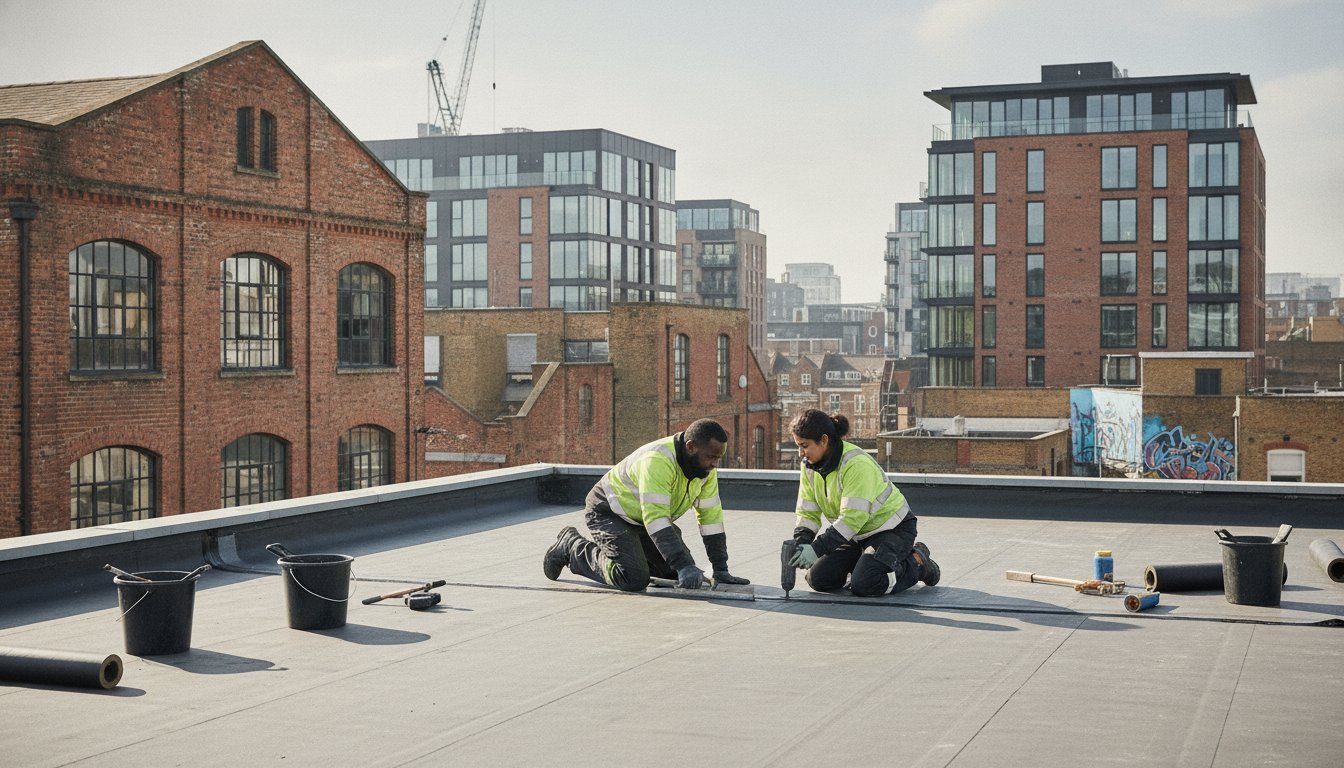
Extensions and converted flats often utilise flat roofing systems. Urban debris, such as fallen leaves or moss growth, can block drainage points and lead to “ponding.” This is where water sits in stagnant pools, putting constant pressure on the roof’s waterproof membrane. On older bitumen felt roofs, seams can lift and edges may crack, whilst EPDM systems might suffer from puncture damage or failing adhesives at the perimeter. Identifying these issues early is vital for maintaining structural integrity. You can compare different material lifespans in our article on Flat Roof Installation Hackney.
Diagnosing these varied issues accurately is the first step toward a permanent resolution. If you’re unsure where the water is entering, a professional assessment can provide the clarity you need to secure your property against future weather events.
Temporary Mitigation vs Professional Repair: A Comparison
When you’re faced with an urgent roof leak repair in Hackney, it’s vital to distinguish between emergency containment and permanent restoration. During a severe storm, a temporary tarpaulin is often the most appropriate short-term measure. It provides immediate relief from water ingress whilst allowing time for the weather to clear so a safe, thorough inspection can be conducted. However, a tarpaulin is merely a stop-gap; it does not address the underlying failure of the roofing system or the structural vulnerabilities common in East London’s period housing.
When a Patch is Enough (and When it Isn’t)
Homeowners are sometimes tempted by “patch-up” solutions such as bitumen-based paints or spray-on sealants. Whilst these products might stop a drip for a few weeks, they are often detrimental to the long-term health of period properties. These materials are non-breathable and can trap moisture within the roof structure, which significantly accelerates timber rot behind the scenes. Our Master Craftsman approach focuses on evaluating the extent of dampness within the rafters and laths before recommending a repair path. If the structural timbers have already begun to soften, a surface-level patch will only mask a growing problem. Permanent structural integrity must always take precedence over a quick fix that could lead to far more expensive interventions in the following season.
The Long-term Value of Specialist Repairs
For the historic buildings found across Hackney, using the correct materials is essential for both aesthetic harmony and technical performance. Professional leadwork restoration involves bossing and welding lead to fit the unique contours of your chimney or valley. This traditional method far outlasts modern adhesive flashings, which frequently peel away after a single cycle of summer heat and winter frost. Similarly, when replacing slipped slates on a Victorian terrace, matching the original Welsh slate ensures the roof remains flexible and weather-tight.
A specialist repair also considers the wider health of the building. Chimney repointing with the correct mortar mix prevents water penetration whilst maintaining the breathability of the brickwork. This attention to detail prevents repeat call-out costs and protects your home’s thermal efficiency. To ensure your property is protected against future London winters, you should schedule an urgent roof assessment to secure your property with a permanent, expert solution.
The Post-Leak Recovery and Prevention Checklist
Once the immediate crisis of an urgent roof leak repair in Hackney is resolved, the work shifts toward recovery and future-proofing. Water ingress rarely stops at the ceiling; it often leaves a trail of moisture through the building’s structural layers. A methodical post-leak assessment ensures that the temporary stress of an emergency doesn’t evolve into a permanent damp problem. Addressing these secondary issues now prevents the need for more invasive structural work in the future.
Assessing Insulation and Timber Health
Water trapped within a roof space creates an ideal environment for wet rot and mould growth. If your insulation has been saturated, it loses its thermal efficacy and can become a heavy, sodden mass that puts pressure on ceiling plaster. It’s essential to allow structural components to dry out completely before sealing the roof or replacing internal finishes. In some cases, this provides a logical opportunity to consider thermal roof insulation upgrades. Modern materials not only improve energy efficiency but also help prevent the interstitial condensation that frequently plagues older East London properties during the winter months.
Scheduled Maintenance to Pre-empt Emergencies
Prevention is significantly more cost-effective than an emergency call-out. For property managers and homeowners in Hackney, clearing gutters and hoppers twice a year is a non-negotiable task. Blocked drainage systems are a primary cause of water backing up under slates or into masonry. You should also monitor your leadwork for “white rust”, a powdery oxidation that signals the lead is thinning and becoming brittle. Checking chimney cowls and lead flashing after any major storm is a prudent habit. High winds can dislodge cowls or strain the mortar joints around the stack, creating entry points for rain. Regular maintenance of the chimney masonry itself acts as a vital preventative measure against damp and internal staining.
By following a structured recovery plan, you ensure that your home remains dry and efficient for years to come. If you suspect your roof has suffered hidden damage during a recent storm, contact our expert team for a comprehensive post-leak health check and secure your property against the next London downpour.
Choosing an Urgent Roof Repair Specialist in Hackney
Selecting the right contractor for an urgent roof leak repair in Hackney is a decision that affects your property’s value for decades. In the midst of a leak, it’s tempting to hire the first available person. Every minute counts. However, a “Trusted Local Advisor” approach ensures that the repair is not just fast, but technically sound. You need a partner who understands the specific building stock of East London and the regulatory environment that governs it.
Local Expertise and Heritage Knowledge
Hackney’s Victorian terraces require a fundamentally different approach than modern commercial units. A specialist understands the nuances of heritage leadwork and the correct grading of slate required to maintain structural harmony. The local urban climate also presents unique challenges. High levels of airborne debris can block internal guttering systems common in older terraces, leading to silent leaks that damage masonry. You can learn more about our local expertise and our commitment to traditional craftsmanship in the East London area.
Transparency in Quotes and Guarantees
Transparency is the hallmark of a professional operation. For any emergency work, transparent, itemised quotes are non-negotiable. This prevents the “hidden extras” that often appear when a contractor hasn’t performed a detailed site survey. A professional quote should break down material costs, labour rates, and any equipment hire, such as scaffolding. A solid guarantee should cover both the materials used and the workmanship itself. It provides the peace of mind that your investment is protected against future failures. You can request a bespoke repair quote to get a clear, expert assessment of your roof’s condition.
Finally, ensure your chosen roofing partner is fully insured and conversant with UK building regulations. When managing an urgent roof leak repair in Hackney, you must consider the “25% rule.” If a repair involves replacing more than 25% of the roof covering, specific thermal standards must be met to comply with current laws. Choosing an independent contractor based in East London ensures they are familiar with these local requirements and the specific demands of Hackney Council. By prioritising expertise and transparency, you turn a stressful roofing emergency into a long-term investment in your home’s durability.
Securing Your Hackney Property Against the Elements
Managing a roofing emergency requires a methodical balance of immediate internal containment and specialist external intervention. By following a structured action checklist, you protect your home’s structural integrity and avoid the common pitfalls of temporary, non-breathable patches that often trap moisture. Whether you’re dealing with slipped slates on a Victorian terrace or degraded leadwork around a chimney stack, the priority must always be a permanent, weather-tight solution that respects the building’s heritage.
As specialists in traditional slate and leadwork, we provide expert local knowledge of Hackney period properties to ensure every repair is technically sound. Our work is fully insured and delivered with guaranteed craftsmanship, offering the calm dependability you need during a structural crisis. Don’t wait for the next London downpour to worsen existing damage. You can Book an Urgent Roof Leak Assessment in Hackney today to restore your property’s long-term durability. Taking these proactive steps now ensures your home remains weatherproof and protected for years to come.
Frequently Asked Questions
How quickly can you respond to an urgent roof leak repair in Hackney?
Local specialists typically prioritise an urgent roof leak repair in Hackney to stabilise the building as quickly as possible. Whilst exact arrival times vary based on storm demand, most independent contractors aim to conduct a visual assessment within hours. The initial goal is always to contain the ingress and prevent internal damage to your ceilings or electronics before a permanent restoration is scheduled during safer weather conditions.
Will my home insurance cover the cost of emergency roof repairs?
Most standard buildings insurance policies cover roof leaks caused by “perils” such as sudden storm damage or fallen trees. However, they rarely cover leaks resulting from gradual wear and tear or a lack of maintenance. You should document the damage with photographs immediately and check your policy wording. Insurance companies often require evidence that the leak was a sudden, unforeseen event rather than a long-term maintenance failure.
Can a roof leak be repaired whilst it is still raining?
Permanent repairs involving mortar, lead welding, or adhesives usually require dry conditions to bond correctly. However, emergency mitigation can and should be performed during rain. A professional can install heavy-duty tarpaulins or temporary covers to stop water ingress immediately. This protects your home’s interior whilst you wait for a window of dry weather to complete the technical, long-term restoration of the slates or flashing.
How much does an emergency roof call-out typically cost in East London?
In London and the South East, an emergency call-out fee for an urgent roof leak repair in Hackney typically ranges between £150 and £300. This initial fee covers the specialist’s time to attend the site and stabilise the leak. It’s important to remember that this cost is usually separate from the final repair bill, which will include specific labour and material charges once a full assessment is completed.
What are the most common causes of roof leaks in Victorian houses?
Victorian terraces in East London often suffer from nail fatigue, where the original iron nails holding slates in place rust and snap. This leads to “slate slip,” creating direct entry points for rain. Other frequent culprits include perished mortar on chimney stacks and cracked lead flashing in the valleys. These older structures were built to breathe, so using the correct heritage materials during a repair is essential for their long-term health.
Is it better to repair a leaking flat roof or replace it entirely?
If the leak is localized and the underlying timber deck is dry, a targeted repair to a seam or puncture is often sufficient. However, if the flat roof is “ponding” water or the internal substrate has become saturated, a full replacement is usually more cost-effective. Modern EPDM or high-performance felt systems offer significantly better durability and thermal properties than the older bitumen systems found on many Hackney extensions.
Do I need a scaffolding permit for a minor roof repair in Hackney?
A scaffolding permit is mandatory if any part of the structure is placed on a public highway, including the pavement or a side road. Your roofing contractor is responsible for obtaining this licence from Hackney Council before work begins. For minor repairs that don’t require the scaffolding to touch public land, or those that can be safely completed using a mobile tower, a permit may not be necessary.