Scrubbing away a dark patch of mould only to see it reappear weeks later is a clear sign that you aren’t fighting a surface problem, but a structural one. It’s natural to feel a sense of dread when you spot mould on ceiling from leaking roof issues, particularly when considering the respiratory health of your family. In the historic Victorian and Georgian terraces of East London, distinguishing between simple condensation and a genuine roofing failure can be confusing, yet ignoring the root cause often leads to far more expensive repairs down the line.
This guide will help you identify the specific source of your leak, remove the mould safely, and ensure your property remains watertight. We will examine the common vulnerabilities found in Hackney homes, such as perished leadwork or slipped slates, and provide a clear path to a permanent resolution. By understanding the link between external failures and internal damp, you can protect your home’s value and your family’s wellbeing with confidence.
Key Takeaways
- Learn to distinguish between widespread condensation speckling and the concentrated “tidemarks” that signal a structural roof failure.
- Understand why period properties in East London are prone to mould on ceiling from leaking roof issues, often due to degraded lead valleys or slipped slates.
- Discover why surface cleaning and “stain-blocking” paint are only temporary fixes if the underlying water ingress isn’t professionally addressed.
- Follow a logical sequence for immediate containment and expert inspection to prevent further saturation of your ceiling timbers.
- Explore how modern insulation upgrades can eliminate cold bridges and prevent future damp, ensuring long-term protection for your property.
Identifying Mould on the Ceiling from a Leaking Roof
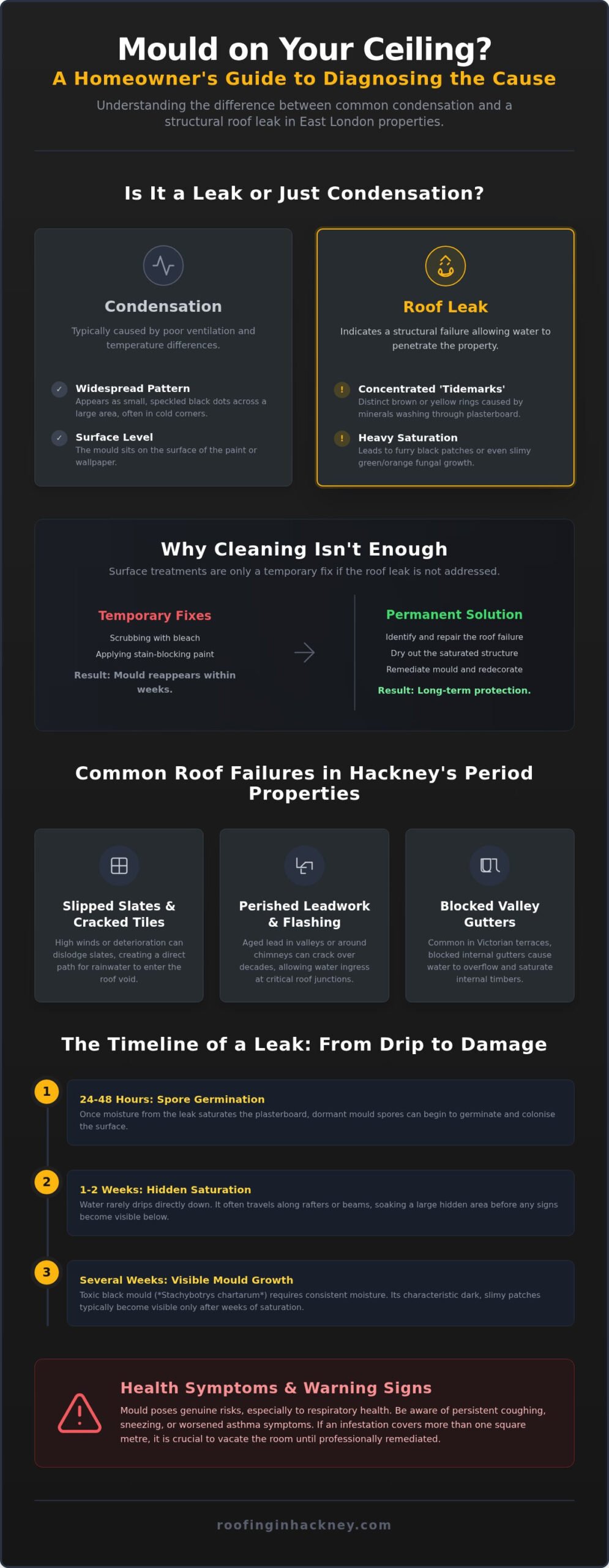
The first step in resolving damp issues is accurately diagnosing the cause. Whilst many homeowners assume any dark patch is a result of poor ventilation, mould on ceiling from leaking roof damage has very specific characteristics that set it apart from standard condensation. Condensation typically appears as a widespread, speckled pattern of small black dots across a large area or tucked into cold corners. In contrast, a roof leak produces a concentrated, heavy saturation point that originates from a specific failure in the building envelope.
One of the most reliable indicators of a structural failure is the “tidemark” effect. This manifests as distinct brown or yellow rings on the plasterboard, caused by minerals being washed through the ceiling materials as water enters. The texture of the growth also provides clues. You may notice furry black patches or, in cases of severe saturation, slimy green or orange fungal blooms. Before the mould even becomes visible, a persistent musty or earthy odour often lingers in the room, suggesting that moisture is trapped behind the plasterboard. Understanding What is Indoor Mould? and its growth requirements is essential for any Hackney resident living in a period property where traditional materials often hide early signs of ingress.
The Timeline of a Leak: From Damp to Mould
Mould is incredibly resilient and surprisingly fast; spores can germinate and begin to colonise a surface within just 24 to 48 hours of moisture exposure. It’s a common mistake to assume the leak is located directly above the visible mould. Water frequently enters through a slipped slate or a cracked lead valley and travels several metres along the rafters before dripping onto the ceiling below. For the specific toxic black mould known as Stachybotrys chartarum, the incubation period in domestic ceilings typically spans several weeks of consistent moisture before the characteristic dark, slimy patches become visible to the naked eye.
Health Symptoms and Warning Signs
The presence of mould isn’t just an aesthetic or structural concern. It poses genuine risks to your family’s health, often triggering respiratory issues like sneezing, persistent coughing, or worsened asthma symptoms. These invisible risks are particularly dangerous in older East London terraces where mould can flourish on the hidden topside of ceiling laths, unseen but still releasing spores into the air. If you discover an extensive infestation covering more than one square metre, or if family members develop unexplained respiratory distress, it’s advisable to vacate the room until the roof is made watertight and the area is professionally remediated. Dealing with mould on ceiling from leaking roof failures promptly is the only way to ensure these health risks don’t escalate into long-term chronic conditions.
Common Roofing Failures in Hackney Causing Interior Mould
The architectural landscape of Hackney is defined by its stunning Victorian and Edwardian terraces. Whilst these period properties offer immense character, their age introduces specific structural vulnerabilities that modern buildings don’t face. Many homeowners discover mould on ceiling from leaking roof failures because of the complex drainage systems integrated into these older designs. Parapet walls and internal valley gutters, common in East London, are particularly prone to blockages and material fatigue; these issues allow water to bypass the external shell and saturate internal timbers.
Slipped slates or cracked tiles on pitched roofs are another frequent culprit, especially after the high winds and driving rain common in the winter months. When a single slate shifts, it creates a direct entry point for moisture. Because water follows the path of least resistance, it often travels along rafters before settling on the flat surface of your ceiling, making the source of the damp difficult to pinpoint without an expert eye.
Leadwork and Flashing Failures
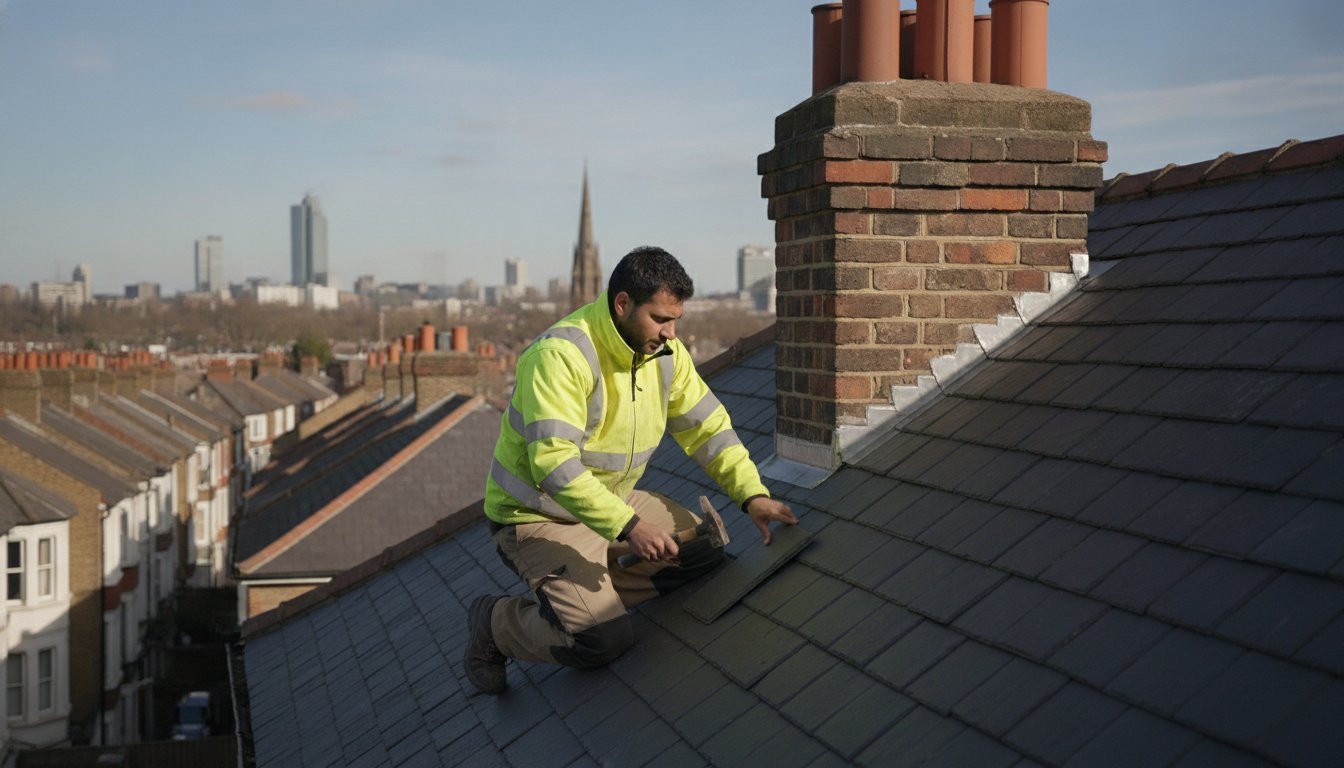
Lead remains the gold standard for waterproofing junctions, but it has a finite lifespan. Over several decades, aged lead can suffer from “creep” or develop hairline fractures due to thermal expansion and contraction. When these valleys and flashings fail, water enters the roof space and pools on the ceiling laths. This is why you’ll often see mould appearing specifically in ceiling corners or around the perimeter of a room. For those dealing with these heritage issues, seeking specialist leadwork repairs Hackney is essential to stop the ingress at its source. Once the leak is sealed, following professional advice on mould cleanup and remediation will help restore the safety of your indoor environment.
Chimney Stacks and Parapet Walls
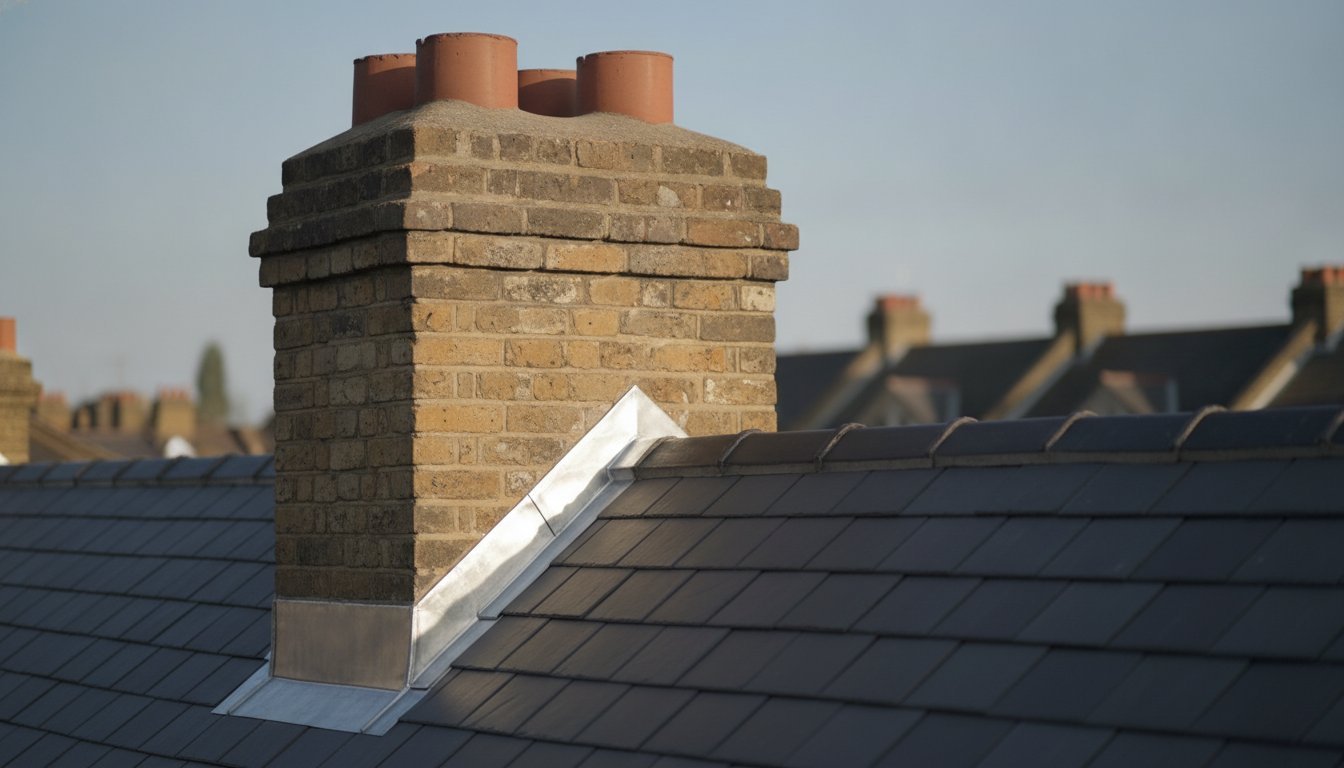
Chimney stacks are amongst the most exposed elements of a Hackney home. Over time, the mortar between bricks can perish, creating a pathway for driving rain to seep into the chimney breast. This porous brickwork acts like a sponge, holding moisture against the ceiling line and providing the perfect damp conditions for fungal growth. Similarly, failed rendering on parapet walls can lead to a “soak-through” effect where water bypasses the roof covering entirely. Ensuring your chimney is properly repointed and fitted with a suitable cowl can prevent water from entering the flue directly. If you’ve noticed recurring damp patches near your fireplace or upper-floor ceilings, it may be time to request a professional inspection to identify these hidden entry points before the damage spreads further.
By understanding that mould on ceiling from leaking roof issues are often tied to these specific heritage features, you can move away from temporary cleaning fixes and toward a permanent structural solution. Addressing a slipped slate or a cracked tile early is far simpler than replacing an entire section of saturated plasterboard later.
Why Cleaning the Mould Isn’t Enough
Many homeowners reach for a bottle of bleach at the first sign of a dark patch, but this approach only addresses surface symptoms. When you have mould on ceiling from leaking roof ingress, the visible growth represents just the “fruiting bodies” of a much larger fungal network. Beneath the surface, the plasterboard and timber laths remain saturated, providing a continuous food source for spores to return within days. Scrubbing the area might improve the aesthetics temporarily, but it does nothing to stop the structural decay occurring out of sight.
Trapped moisture is a silent catalyst for long-term damage. Whilst the surface looks clean, the water trapped within the ceiling cavity continues to weaken the bond between the plaster and the laths. This persistent dampness also creates an environment where more dangerous spores can thrive. Understanding the health effects of mold exposure is vital for anyone tempted to ignore the root cause, as surface cleaning does not remove the airborne allergens released from the saturated core of the ceiling.
The Myth of Anti-Mould Paint
Anti-mould paints and “stain-blocker” primers are frequently marketed as a quick fix for damp patches. However, these products are designed to resist surface condensation, not to withstand hydrostatic pressure from a leaking roof. When water is being pushed through the plaster from above, applying a waterproof coating on the underside simply “seals in” the moisture. This prevents the ceiling from breathing and accelerates the rot of the wooden laths. You should only use mould washes and specialist paints once the roof is certified watertight and the substrate has fully dried.
Structural Integrity and Timber Decay
The most significant risk of ignoring a leak is the transition from surface mould to structural timber decay. If mould on ceiling from leaking roof failures are left unaddressed, the moisture eventually invites Serpula lacrymans, commonly known as dry rot. Unlike surface mould, dry rot can travel through masonry and destroy the structural integrity of your roof joists. This species of fungi is particularly aggressive in the humid, enclosed spaces found in Hackney’s older roof voids.
In the worst-case scenarios, the combination of heavy, water-logged plaster and weakened timber can lead to a sudden ceiling collapse. The cost of a timely repair is significantly lower than the expense of a full roof replacement Hackney and the reconstruction of interior rooms. Investing in a professional roofing solution now protects both your financial interests and the physical safety of your home. It’s always more cost-effective to fix a slipped slate than to replace an entire structural ceiling.
Step-by-Step: Resolving the Leak and Remedying the Mould
Once you have identified the signs of moisture, taking swift action is the only way to prevent the situation from deteriorating. Resolving mould on ceiling from leaking roof damage requires a methodical approach that prioritises structural integrity over cosmetic fixes. By following a structured workflow, you can contain the damage and ensure your home returns to a safe, dry condition.
- Step 1: Immediate Containment. If the leak is active, place buckets beneath the drip and use plastic sheeting to protect flooring. This prevents further saturation of the ceiling and stops water from spreading to the rooms below.
- Step 2: Professional Roof Inspection. A specialist must identify the exact point of ingress. Whether it’s a perished lead valley, a slipped slate, or a failing flat roof membrane, the source must be sealed before any internal work begins.
- Step 3: Structural Repairs. This phase involves the physical restoration of the roof, such as renewing leadwork or repointing chimney stacks, to ensure the building envelope is watertight.
- Step 4: The Drying Phase. This is the most overlooked step. You must allow the ceiling substrate to become “bone dry” through natural ventilation and mechanical aids before attempting any repairs.
- Step 5: Safe Remediation. Once dry, apply professional-grade fungicidal washes to kill remaining spores and replace any blown plaster or damaged plasterboard.
Finding the Leak Source
It’s a common misconception that a leak is located directly above the mould. Because water follows the path of least resistance, it often enters through a defect elsewhere and “tracks” along the rafters before dripping onto the ceiling. In the loft space, look for dark streaks or damp patches on the timber rafters rather than just looking at the floor. For modern extensions in Hackney, flat roof leak detection may require checking the perimeter seals and outlet pipes where debris often accumulates. Identifying these tracking marks early can save you from unnecessary internal demolition.
Drying and Redecoration
Before redecorating, use dehumidifiers and keep windows open to facilitate constant airflow. If the plasterboard has become soft, crumbly, or significantly bowed, cleaning is no longer an option; you must replace the section entirely to prevent future mould growth. When the area is finally dry, use a high-quality stain-blocking primer to ensure the old tidemarks don’t bleed through your fresh coat of paint. If you are unsure about the extent of the damage, you can book a specialist roof survey to ensure your repairs are built to last.
Preventing Future Mould with Roof Insulation and Ventilation
Fixing the primary structural failure is the essential first step, but it isn’t always the final one. Many Hackney residents find that mould on ceiling from leaking roof incidents are followed by persistent condensation mould, even after the leak is sealed. This often happens because of “cold bridges”—specific points where a lack of insulation allows the ceiling surface to become significantly colder than the rest of the room. When warm, humid air from your living space hits these cold spots, it condenses into liquid water, providing the perfect environment for spores to settle once more.
A professional roof assessment ensures that your property’s thermal performance matches its structural integrity. By addressing ventilation alongside repairs, you eliminate the stagnant, humid air that fungal growth thrives in. This dual approach is the only way to guarantee a healthy, mould-free home in the long term, especially in the high-ceilinged rooms typical of East London’s period terraces.
Thermal Upgrades and Energy Efficiency
Investing in thermal roof insulation upgrades is one of the most effective ways to keep your ceiling surfaces warm and dry. For Hackney homeowners, this often involves a choice between “warm roof” and “cold roof” insulation techniques. A warm roof configuration involves placing insulation above the rafters to keep the entire structure at a consistent temperature, whilst a cold roof setup places insulation between or over the joists. Both methods are effective at removing the temperature differentials that cause dampness.
Beyond preventing mould, these upgrades significantly reduce energy bills and your property’s carbon footprint. Under the 2026 Building Regulations, when you replace more than 50% of an existing roof, the thermal efficiency must be upgraded to meet a U-value of 0.16 W/m²K. This standard ensures your home remains “zero-carbon ready” whilst protecting the internal plasterwork from the thermal shocks that lead to recurring damp issues.
The Role of Professional Maintenance
Prevention is always more cost-effective than remediation. Annual maintenance, such as clearing gutters and performing slate checks, prevents minor leaks from escalating into major mould disasters. In East London’s Victorian terraces, chimney repointing is a critical preventative task; perished mortar is a common entry point for moisture that eventually saturates the ceiling below. Keeping your leadwork and masonry in good condition stops the cycle of dampness before it starts.
Establishing a routine inspection schedule allows you to identify material fatigue before it compromises your home’s interior safety. If you’ve recently dealt with water ingress, now is the ideal time to ensure your property is fully protected for the seasons ahead. You can Contact Roofing in Hackney for a professional roof survey and leak repair to secure your home’s structural health and comfort.
Securing Your Home’s Structural Future
Addressing mould on ceiling from leaking roof issues requires more than a surface-level response; it demands a clear understanding of the heritage architecture that defines East London. By moving beyond temporary cleaning and focusing on the root cause, whether it is a slipped slate or perished leadwork, you protect your property from the long-term risks of timber decay and structural instability. As local Hackney roofing experts since our foundation, we specialise in the precise leadwork repairs and slate restorations required to keep period homes watertight and healthy.
Combining high-quality repairs with modern insulation upgrades creates a comprehensive solution that prevents both leaks and secondary condensation. Our team provides the technical proficiency needed to restore your peace of mind and the value of your home. To ensure your roof is prepared for the seasons ahead, Book a Professional Roof Inspection in Hackney today. We are here to help you resolve your damp issues permanently with craftsmanship you can depend on.
Frequently Asked Questions
Is mould on the ceiling from a leaking roof dangerous?
Yes, the presence of mould poses significant risks to both your health and your property’s structural integrity. Fungal spores are known triggers for respiratory issues such as asthma, sneezing, and persistent coughing. Beyond these health concerns, the constant moisture weakens the plaster and can lead to the rot of wooden ceiling laths, potentially causing a sudden collapse if left unaddressed.
Can I just paint over the mould on my ceiling?
No, applying paint over a damp patch is a temporary cosmetic fix that will eventually fail. Using “stain-blocking” primers without fixing the leak simply traps moisture within the ceiling cavity. This trapped water accelerates the decay of the timber structure above and allows the mould to continue growing behind the new coat of paint. You must ensure the roof is watertight before any redecoration begins.
How much does it cost to fix a leaking roof in Hackney?
The cost of a repair depends entirely on the nature of the failure and the materials required for the fix. Minor issues like replacing a few slipped slates are relatively straightforward, whilst complex leadwork repairs or chimney repointing require more specialised labour and time. We provide tailored assessments to ensure the structural solution matches the specific needs of your period property.
Will a roof leak always cause mould growth?
Fungal growth is almost certain if moisture is allowed to sit for more than 48 hours. Mould spores are present in almost every environment; they only require a damp surface and an organic food source, such as plasterboard or wallpaper paste, to germinate. Promptly drying the affected area is the only reliable way to prevent mould on ceiling from leaking roof failures from escalating.
How long does it take for a ceiling to dry out after a roof leak?
A saturated ceiling typically takes between two and four weeks to dry out completely. This duration varies based on the extent of the water ingress and the level of ventilation in the room. Using a dehumidifier and maintaining a consistent room temperature can help speed up the process, but you must wait until the substrate is bone dry before attempting any plaster repairs or painting.
Does home insurance cover mould damage from a leaking roof?
Insurance coverage usually depends on whether the leak was caused by a “sudden and accidental” event or gradual neglect. Most policies will cover damage resulting from a storm that displaces slates, but they often exclude mould caused by wear and tear or poor maintenance. It’s best to check your specific policy wording or consult your insurance provider to confirm your level of cover.
Why is my ceiling mouldy if I can’t see a hole in the roof?
Water is highly mobile and often travels along rafters or joists before dripping onto the ceiling. A failed flashing or a cracked tile might be located several metres away from the visible damp patch. Because many Hackney properties have complex roof pitches and parapet walls, a professional internal loft inspection is often the only way to trace the moisture back to its source.
Should I remove the mould myself or call a professional?
Homeowners can safely treat small patches of surface mould with a fungicidal wash, but extensive infestations require professional intervention. If the mould on ceiling from leaking roof damage covers an area larger than one square metre, the concentration of spores can be hazardous to clear without specialist equipment. In such cases, you should hire a remediation expert whilst a roofer secures the external leak.