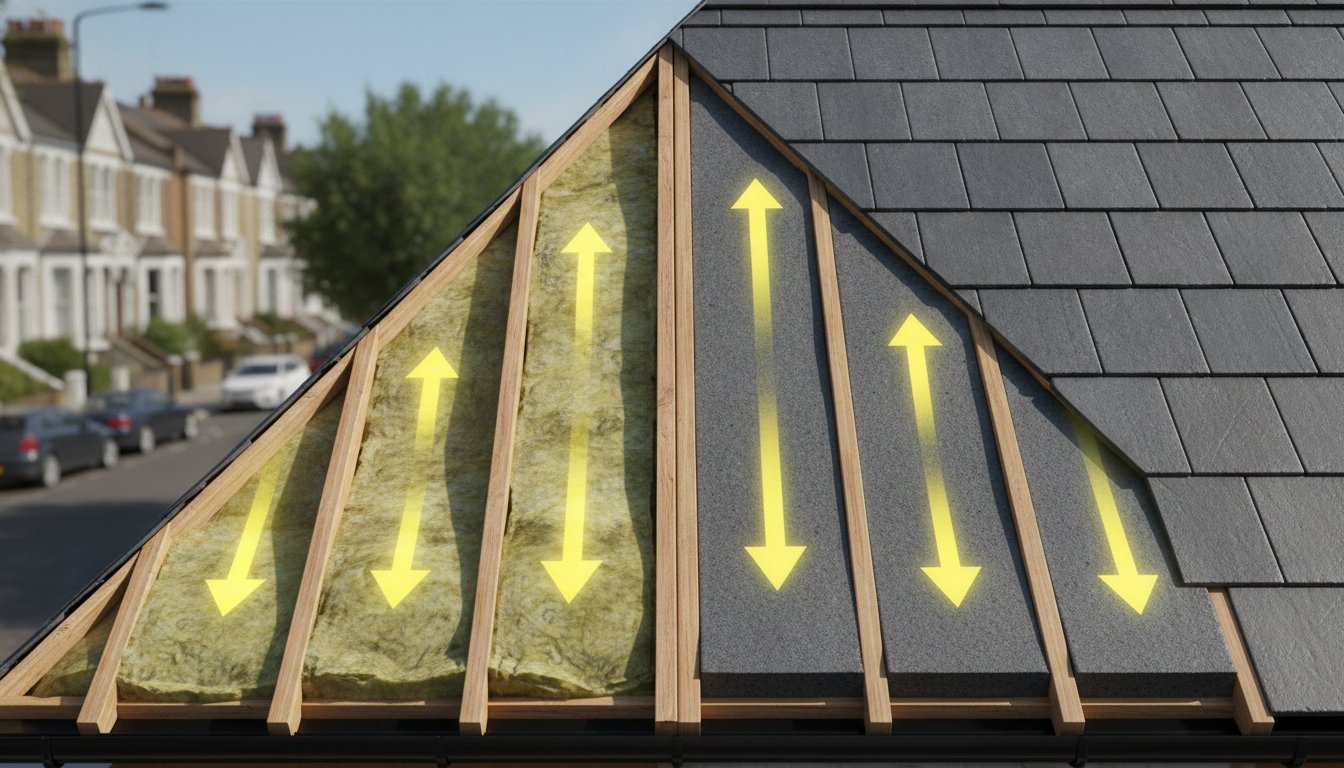
Did you know that an uninsulated roof can account for approximately 25% of your home’s total heat loss? It’s a frustrating reality for many Hackney residents who find their energy bills climbing despite keeping the radiators on full. You likely feel those stubborn cold spots in the upper bedrooms or notice draughts that seem to bypass your double glazing entirely. If you are looking for a definitive way to improve home energy efficiency roof performance must be your first priority to stop that expensive warmth from escaping into the London sky.
We’ll show you how to transform your roof from a primary source of heat loss into a high-performance thermal barrier that slashes your monthly outgoings and enhances your comfort year-round. This guide clarifies the difference between basic loft insulation and full thermal upgrades whilst exploring how current building regulations and upcoming tax changes, such as the end of the 0% VAT rate in March 2027, impact your investment. We’ll examine everything from traditional slate repairs to modern PIR board systems to help you achieve a better EPC rating and a significantly warmer home.
Key Takeaways
- Understand the critical role your roof plays in the building envelope and why an uninsulated structure contributes to approximately 25% of total heat loss.
- Discover the specific materials and techniques used to improve home energy efficiency roof performance, including the use of high-performance PIR boards and multifoil insulation.
- Learn how to identify thermal weak points from both inside and outside your property, such as rapid snow melt or persistent draughts in upper-floor rooms.
- Follow a structured, expert-led approach to upgrades that prioritises a full roof health check and essential structural repairs before installing thermal barriers.
- Realise the long-term value of professional insulation through improved EPC ratings, lower energy bills, and a reduced carbon footprint for your Hackney home.
Understanding the Role of Your Roof in Home Energy Efficiency
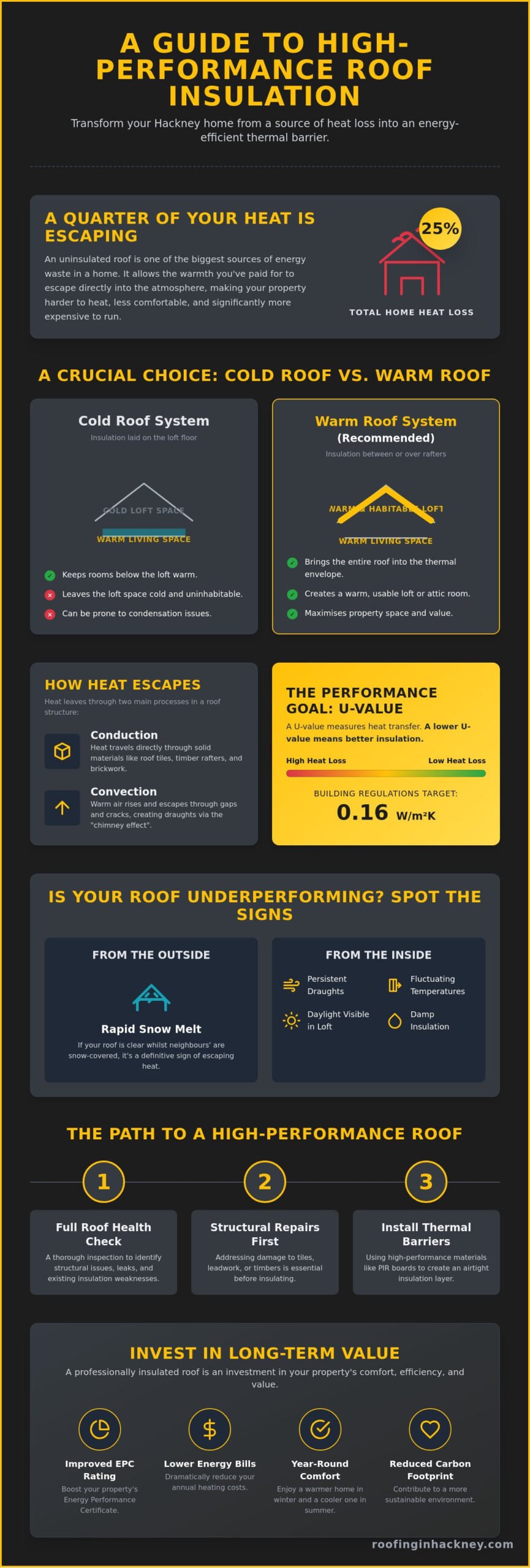
Your roof is much more than a simple weather shield; it’s a critical component of your property’s “building envelope” or thermal shell. This envelope acts as the primary barrier between your living space and the external environment. When this barrier is compromised or poorly insulated, the impact on your comfort and bank balance is significant. According to industry data, an uninsulated roof can account for approximately 25% of a home’s total heat loss. To effectively building insulation strategies must treat the roof as a high-performance thermal guard rather than just a structural necessity.
To measure how well your roof performs, we look at U-values. A U-value measures the rate of heat transfer through a material; the lower the number, the better the material is at retaining heat. For homeowners looking to improve home energy efficiency roof upgrades are often the most direct route to achieving the 2026 building regulation target of 0.16 W/m²K for retrofitted existing homes. Beyond winter warmth, a thermally efficient roof also prevents solar radiation from over-heating your upper floors during the summer months, ensuring a stable climate year-round.
How Heat Escapes: Radiation, Convection, and Conduction
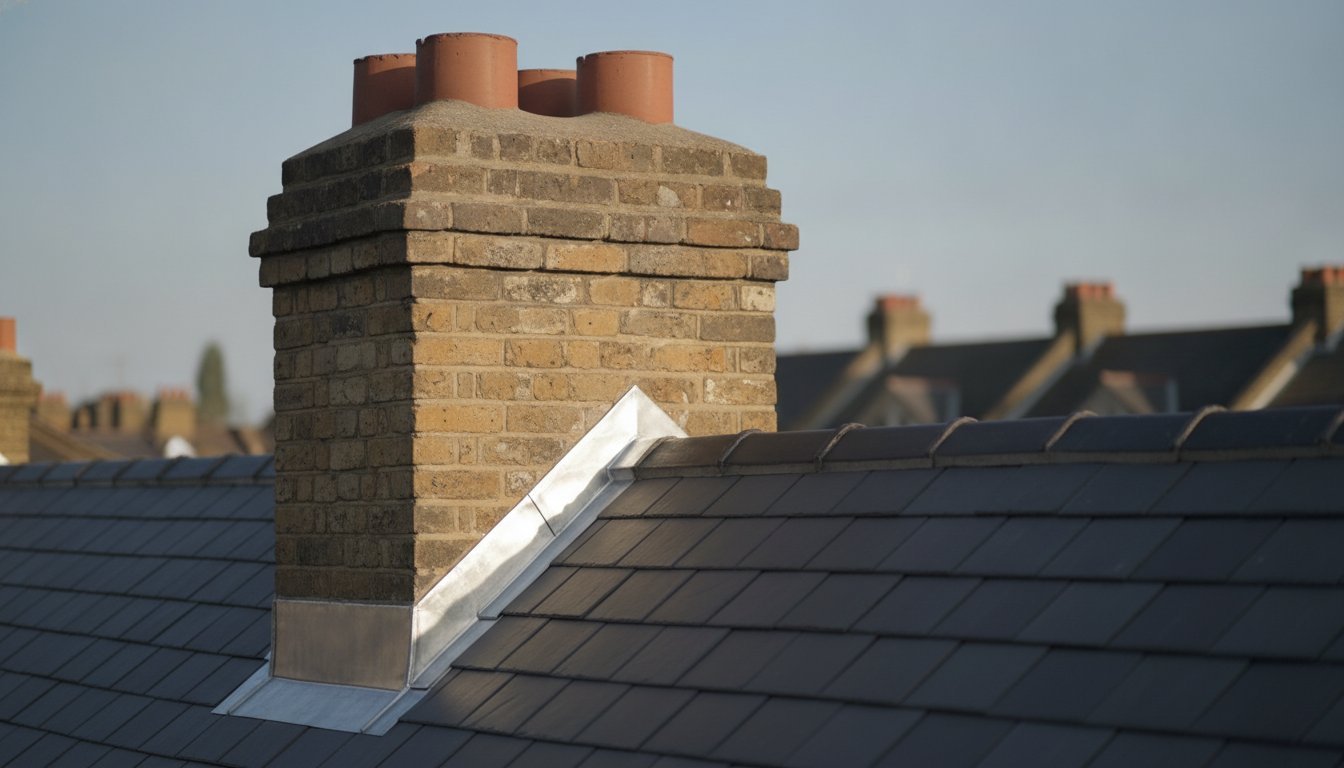
Heat leaves your home through three distinct physical processes. Conduction occurs when heat moves directly through solid materials like slate, timber, or bitumen. Convection happens when warm air rises and circulates, eventually finding its way out through gaps in the structure. This leads to the “chimney effect,” where warm air is literally sucked out of the building through unsealed points. In many Hackney properties, these gaps are found around aged leadwork or deteriorating chimney stacks. Addressing these structural weak points is the essential first step in creating an airtight thermal barrier.
The Crucial Difference Between Loft and Roof Insulation
Many homeowners confuse simple loft insulation with a full roof thermal upgrade. A “cold roof” system involves placing insulation on the floor of the loft, which keeps the heat in the rooms below but leaves the loft space itself cold. Conversely, a “warm roof” system places insulation between or over the rafters. This approach brings the entire roof structure into the thermal envelope of the house, making the loft space habitable and preventing condensation issues. For a detailed breakdown of which approach suits your budget, you can explore our guide on loft insulation vs. roof insulation. Choosing a warm roof insulation Hackney system is often the preferred choice for those looking to maximise their property’s usable square footage whilst significantly reducing energy waste.
Identifying Thermal Weak Points in Your Current Roof Structure
Identifying exactly where your thermal barrier is failing is the first step toward a more sustainable property. One of the most effective ways to spot poor insulation is from the pavement during winter. If your roof is clear of snow whilst your neighbours’ houses remain white, it’s a definitive sign that heat is leaking through your attic and melting the frost. This indicates that your efforts to improve home energy efficiency roof performance are being undermined by significant heat transfer through the structure.
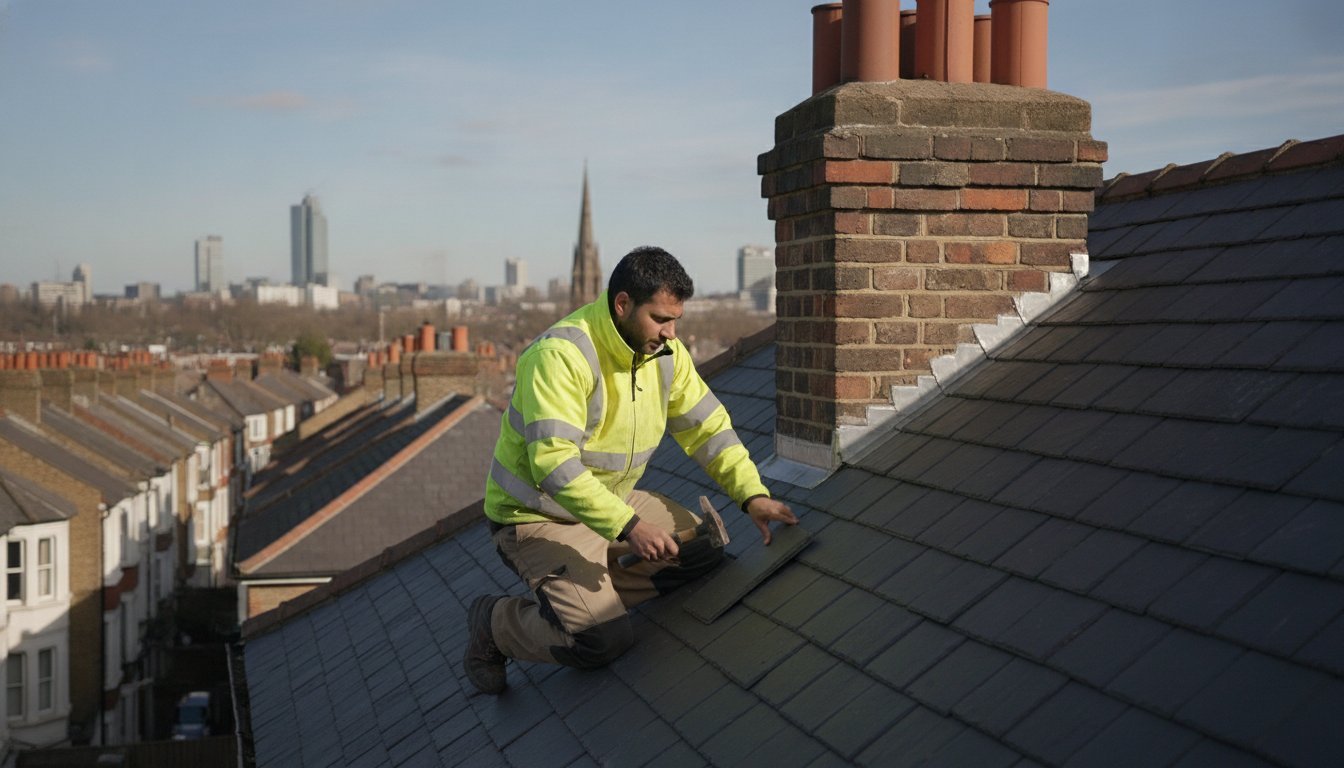
Inside the home, symptoms are equally clear. You might notice cold draughts that persist even with the heating on, or fluctuating temperatures in upper-floor bedrooms. These issues often stem from the financial benefits of home insulation being lost to structural neglect. In Hackney, where Victorian slate is common, the lack of a modern breathable membrane often allows heat to escape through the gaps between tiles, rendering the property difficult to keep warm.
Common Signs of Heat Loss in Hackney Properties
Thermal bridging occurs when structural elements, such as rafters or wall plates, act as highways for heat to bypass insulation. If you find daylight visible through your loft rafters, you’ve identified a major air leakage point that needs sealing. Additionally, if your current insulation feels damp to the touch, it has lost its thermal properties entirely. Damp insulation is 100% ineffective because water conducts heat far more efficiently than air pockets. This essentially turns your insulation into a thermal conductor rather than a barrier, making it impossible to improve home energy efficiency roof standards without a full replacement of the saturated material.
Assessing Period Roofs vs. Modern Flat Roof Extensions
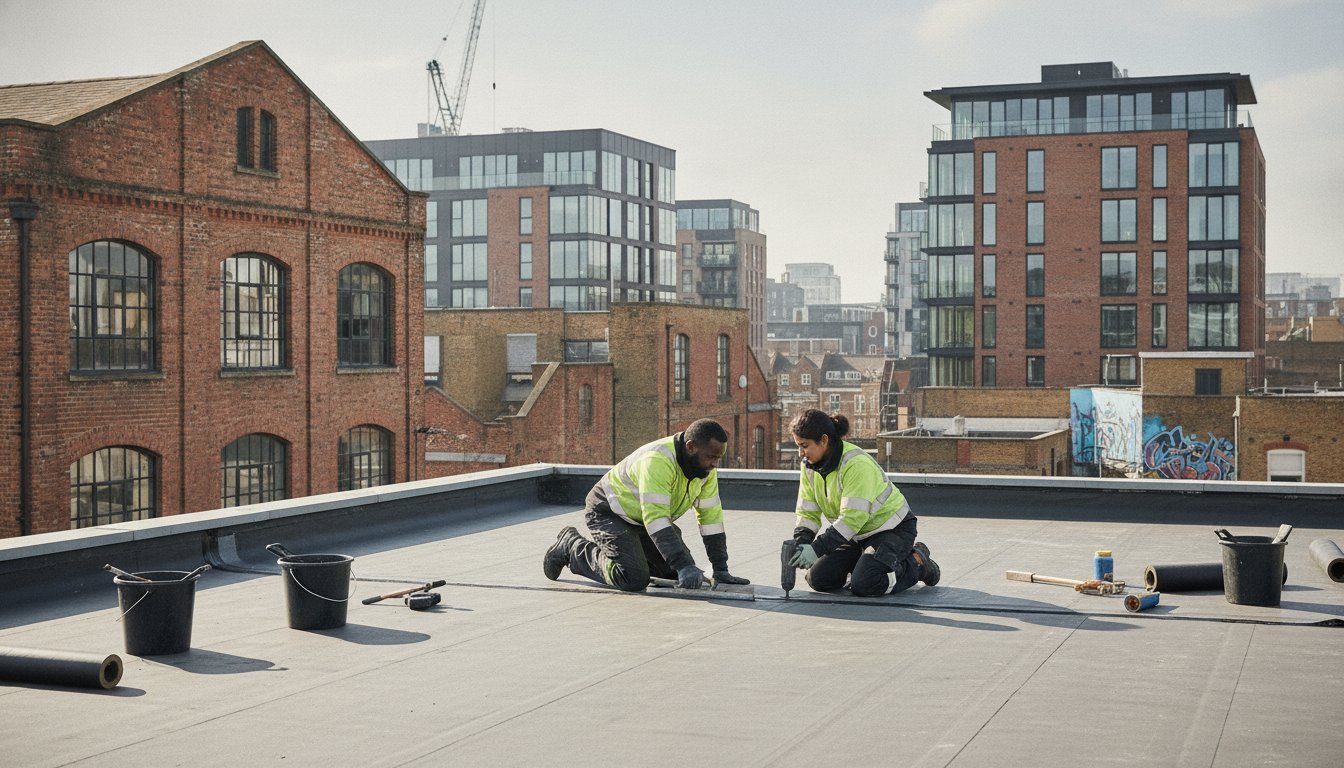
Victorian slate roofs present unique challenges for energy efficiency. These traditional systems require careful handling to avoid damaging original slates whilst introducing modern thermal techniques. Conversely, many Hackney homes have older flat roof extensions that use degraded mineral felt. These materials provide almost no thermal resistance and are prone to condensation. When we perform a flat roof installation Hackney homeowners typically opt for a warm roof system to meet current U-value standards. If you’re unsure about the state of your current structure, you can book a professional roof health check to pinpoint these weak spots before they lead to structural damage.
Choosing the Right Insulation Materials for Maximum Thermal Performance
Selecting the correct materials is the most critical decision when planning a thermal upgrade. Whilst traditional mineral wool rolls remain a popular choice for floor-level loft insulation due to their cost-effectiveness, they often lack the performance required for modern rafter-level upgrades. To effectively improve home energy efficiency roof systems in Hackney often require a combination of materials that balance thermal resistance with the limited space available in period properties.
High-performance PIR (polyisocyanurate) rigid boards offer significantly better U-values per millimetre of thickness compared to mineral wool. For Victorian homes with narrow rafters, multifoil insulation provides an excellent alternative; it uses reflective layers to bounce heat back into the building whilst remaining thin enough to fit within tight structural gaps. Regardless of the material chosen, installing a vapour control layer (VCL) is essential. A VCL prevents moist air from the living space from reaching the cold side of the insulation, which stops interstitial condensation from rotting your roof timbers.
Heritage-conscious owners in London are increasingly opting for sustainable materials like sheep’s wool or wood fibre. These natural insulators are breathable and hygroscopic, meaning they can manage moisture levels without compromising their thermal integrity. This makes them particularly suitable for the traditional building methods found across East London, where maintaining the health of original timbers is a priority. For a comprehensive overview of how these systems are specified and installed, our guide to warm roof insulation Hackney homeowners rely on covers every stage of the process in detail.
High-Performance Materials for Pitched Slate Roofs
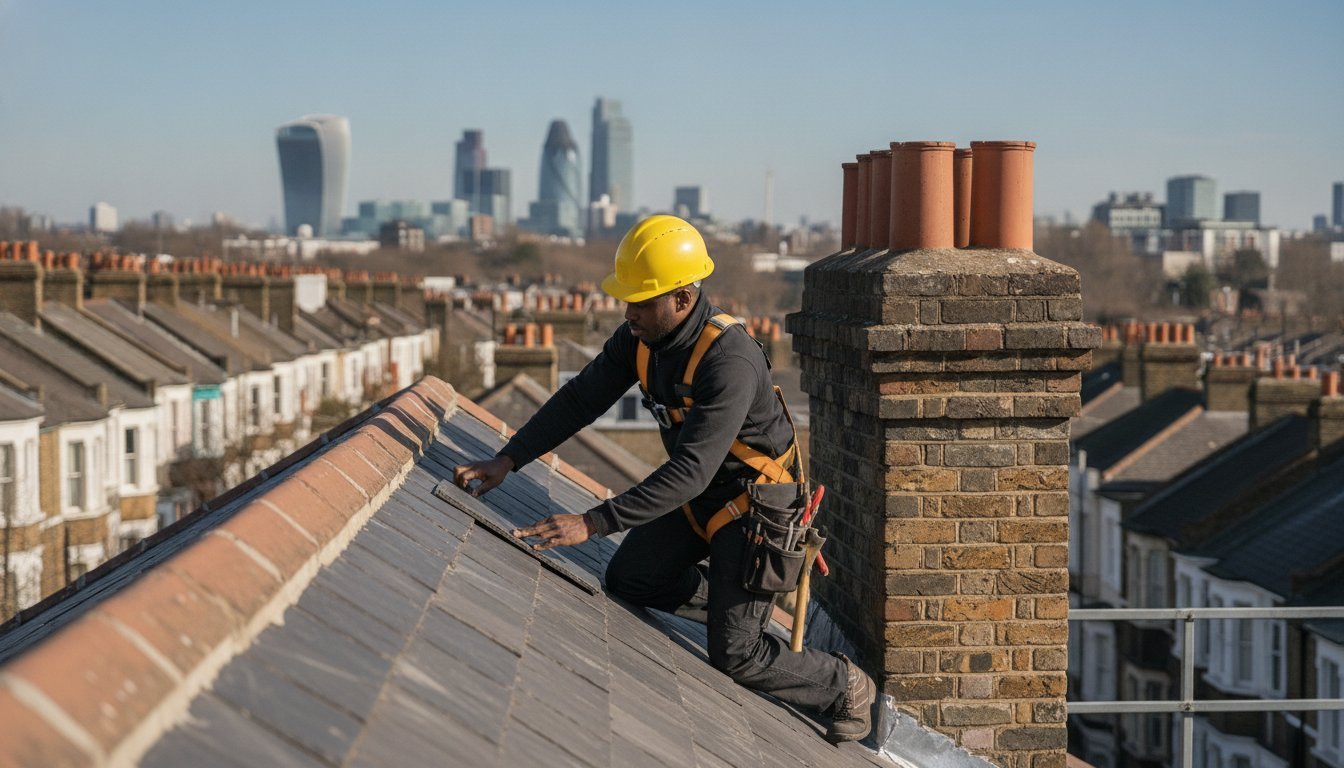
Achieving modern U-values in a pitched roof typically involves a “between and under” rafter approach. By placing rigid boards between the timber rafters and adding a secondary layer underneath, you eliminate thermal bridging through the wood. When upgrading slate roofing in Hackney, we always prioritise the use of high-quality breathable membranes to ensure the structure can breathe whilst remaining airtight. PIR boards act as a space-saving, high-efficiency alternative to wool.
Warm Roof vs. Cold Roof Systems for Flat Roofing
For flat roof extensions, a warm roof system is the gold standard for energy retention. This involves placing rigid insulation boards directly on top of the roof deck, beneath the final waterproof membrane. This method keeps the entire structure at a consistent temperature, preventing the condensation issues common in older cold flat roofs. These high-performance upgrades are also essential for commercial roof insulation in London, where large surface areas can lead to significant heat loss. When selecting high-performance finishes, many owners also look for cool roof products that reflect solar radiation, ensuring the building remains comfortable during heatwaves.
How to Upgrade Your Roof for Better Energy Efficiency: A Step-by-Step Approach
Executing a thermal upgrade requires a methodical sequence to ensure the investment delivers long-term performance. It is not merely a matter of adding material; it is about creating a sealed, durable system that functions in harmony with your property’s architecture. To successfully improve home energy efficiency roof projects must follow a structured workflow that prioritises structural health before thermal performance.
- Step 1: Professional Health Check. We begin by identifying any existing leaks, timber rot, or structural sagging. An audit ensures the roof can support the additional weight of new materials and remains watertight.
- Step 2: Remedial Repairs. Before any insulation is laid, we address the peripheral components. This includes chimney repointing and leadwork repairs to eliminate air infiltration points.
- Step 3: Precision Installation. The chosen insulation is fitted tightly between or over rafters. We ensure there are no gaps or “thermal breaks” where heat can bypass the barrier.
- Step 4: Vapour Control and Airflow. We install a vapour control layer to manage moisture whilst simultaneously configuring the ventilation system to protect the timber.
- Step 5: Compliance Certification. The final phase involves a rigorous inspection to ensure the installation meets the 2026 building regulation target of 0.16 W/m²K for retrofitted roofs.
Preparing Your Roof for a Thermal Upgrade
A fundamental rule of roofing is that you must never install insulation over a leaking or damp structure. Trapping moisture beneath new thermal layers will accelerate timber rot and lead to costly structural failure. It is essential to organise professional chimney repointing or leadwork repairs as the very first stage of the process. This preparation phase also includes a thorough check for pests or existing woodworm, ensuring the loft space is clean and structurally sound before it is sealed. If you are ready to begin this process, you can request a professional roof health check to establish a baseline for your project.
Integrating Ventilation with Insulation
Whilst the goal is to create an airtight thermal envelope, the roof structure itself must still “breathe.” Without adequate airflow, condensation will accumulate on the underside of the roof deck, leading to mould and decay. A high-performance system incorporates ridge vents, eaves vents, and breathable felt to allow moisture to escape whilst keeping the heat inside. This balance is what defines a successful project to improve home energy efficiency roof standards. Poor ventilation can negate the benefits of high-quality insulation by causing long-term moisture damage to the rafters.
Investing in Long-Term Value: The Benefits of Professional Roof Insulation Upgrades
Upgrading your roof’s thermal performance is one of the most effective ways to secure the long-term value of your property. Beyond the immediate reduction in heating costs, a professionally insulated roof significantly improves your home’s Energy Performance Certificate (EPC) rating. In the current London property market, a higher EPC grade is a major selling point that can directly influence buyer interest and valuation. When you take steps to improve home energy efficiency roof performance becomes a permanent asset that protects the building’s structural integrity whilst reducing its environmental impact.
For environmentally conscious Londoners, the reduction in carbon footprint is a primary motivator. By retaining heat more effectively, you decrease your reliance on fossil fuel heating systems, aligning your home with Hackney Council’s net-zero ambitions. Additionally, a high-performance thermal barrier protects your roof timbers from extreme temperature fluctuations. This reduces the expansion and contraction of materials, which minimises the risk of structural fatigue and extends the overall lifespan of your slate or flat roof. Choosing a trusted local roofing contractor ensures these benefits are realised through precise craftsmanship and deep knowledge of regional building styles.
Calculating the ROI of a Better Insulated Roof
The return on investment for a thermal upgrade is twofold. Financial payback occurs over several years as energy savings accumulate, but the “comfort factor” provides immediate non-monetary value. Eliminating cold spots and draughts creates a more habitable environment throughout the entire house, not just the lower floors. Modern buyers view high-quality thermal roof insulation upgrades as a top priority, often preferring homes where these complex structural improvements have already been completed to professional standards. It’s an investment that pays dividends in both daily comfort and future resale potential.
Why Professional Installation is Crucial for Hackney Homes
Attempting a DIY insulation project in a period property carries significant risks. Incorrectly installed materials can block essential ventilation pathways, creating damp problems that lead to dry rot or even fire hazards if insulation is placed too close to old electrical wiring or recessed lighting. Local experts understand the nuances of Hackney’s Victorian and Edwardian architecture, ensuring that thermal upgrades don’t compromise the breathability of traditional brick and timber. We focus on doing things the right way, combining traditional expertise with modern standards to improve home energy efficiency roof systems safely. If you’re ready to secure your home’s future, contact us for a professional thermal assessment to identify the most effective path forward for your property.
Securing Your Hackney Home’s Thermal Future
Transforming your roof into a high-performance thermal barrier is one of the most impactful upgrades you can make to your property. By addressing structural vulnerabilities in chimneys and leadwork before installing advanced materials like PIR boards or breathable membranes, you can finally eliminate the significant heat loss typically found in uninsulated East London homes. This integrated approach allows you to improve home energy efficiency roof standards whilst securing your building’s structural integrity for years to come.
Our team of Hackney roofing specialists brings decades of local experience to every project, specialising in heritage slate and modern flat roof thermal systems. We ensure all work is strictly compliant with the latest 2026 building regulations, providing you with a durable solution that enhances both comfort and property value. Don’t let expensive heat escape into the London sky any longer.
Book a Professional Thermal Roof Assessment in Hackney and start your journey toward a warmer, more sustainable home today.
Frequently Asked Questions
How much can I really save on energy bills by insulating my roof?
You can save up to £270 per year on energy bills for a typical three-bedroom semi-detached home according to 2026 industry data. Since an uninsulated roof accounts for approximately 25% of a property’s total heat loss, the reduction in heating demand is immediate. These consistent annual savings ensure that the investment pays for itself over several years whilst significantly enhancing your daily comfort.
Will adding roof insulation cause damp or condensation in my loft?
Roof insulation won’t cause damp issues if it is installed with a proper vapour control layer and adequate ventilation. Problems only arise when airflow is blocked or moisture is trapped against the timbers. We ensure that ridge vents and eaves vents remain clear so that your roof structure stays dry and healthy, preventing the risk of interstitial condensation or wood rot.
Do I need planning permission to upgrade my roof insulation in Hackney?
Most insulation upgrades fall under “Permitted Development” and don’t require formal planning permission. However, if your property is located within one of Hackney’s many Conservation Areas, you should consult the local planning department before making external alterations. Internal upgrades to improve home energy efficiency roof performance rarely require consent, but checking local guidelines is always a prudent step for period properties.
What is the difference between a warm roof and a cold roof?
A cold roof has insulation placed on the loft floor, which keeps the rooms below warm but leaves the loft space itself cold. A warm roof involves placing insulation between or above the rafters. This approach brings the entire roof structure into the home’s thermal envelope, making the loft space habitable and preventing moisture from condensing on the underside of the roof deck.
How long does it take to install professional roof insulation?
Most professional roof insulation projects take between one and three days to complete. The exact timeline depends on the complexity of your roof structure and whether remedial repairs to leadwork or chimneys are required before the insulation is fitted. We provide a structured schedule during our initial consultation to ensure the work is completed with minimal disruption to your household.
Can I insulate my roof myself, or should I hire a professional roofer?
Whilst laying basic loft rolls is a common DIY task, period properties in Hackney require professional expertise to avoid long-term damage. Incorrectly insulating Victorian rafters can create fire hazards or trap moisture that leads to structural decay. Hiring a specialist ensures your upgrade meets current building regulations and includes the precise ventilation needed to protect your home’s historic timber frame.
Is it worth insulating a flat roof extension?
Insulating a flat roof extension is one of the most effective ways to improve home energy efficiency roof standards in modernised London homes. Older flat roofs often lack any thermal protection, resulting in cold upstairs rooms and persistent damp issues. A warm roof upgrade during a replacement provides a high-performance thermal barrier that eliminates cold spots and lasts for decades.
What are the current UK building regulations for roof insulation in 2026?
For 2026, the building regulations (Part L) mandate specific thermal performance standards for all roofing works. For retrofitting insulation in existing pitched roofs, the target U-value is 0.16 W/m²K. For flat roofs, the requirement is 0.18 W/m²K. Our installations are meticulously designed to meet these exact standards, ensuring your property is fully compliant and thermally efficient for the future.