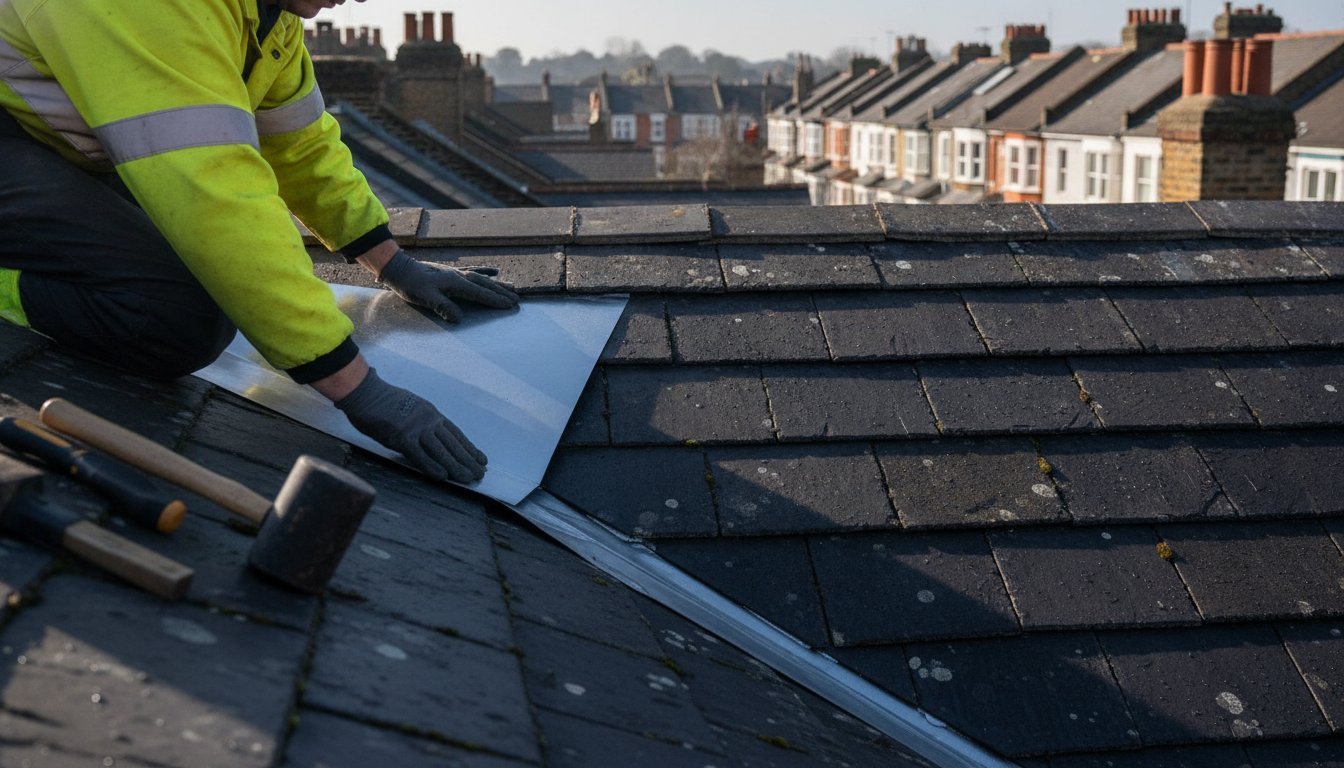
If you own a period property in East London, your dormer window is far more than a source of natural light; it’s a complex structural intersection that bears the brunt of the unpredictable British weather. When you’re faced with the need for dormer roof repair Hackney homes often require, the challenge lies in addressing modern performance issues without erasing the building’s historical soul. You likely understand the frustration of a recurring leak that general builders seem unable to trace, or the discomfort of a top-floor room that stays stubbornly cold despite the heating being on full blast.
Securing your home requires a delicate balance of heritage craftsmanship and modern thermal technology. This 2026 guide is designed to help you identify the root causes of structural failure whilst ensuring your repairs meet the latest Hackney Council conservation standards. We’ll walk you through the process of assessing slate and leadwork, upgrading to high-performance insulation, and achieving a weatherproof finish that preserves the unique aesthetic of your Victorian or Edwardian home for decades to come.
Key Takeaways
- Understand the unique structural requirements of Hackney’s Victorian L-shaped dormers and why they require specialist heritage roofing expertise rather than general building work.
- Identify the critical signs of water ingress and perished lead flashing that indicate a need for professional dormer roof repair Hackney to protect your home’s interior.
- Learn how to balance traditional aesthetics with modern performance by matching heritage slate with high-quality waterproofing membranes for flat dormer tops.
- Navigate the latest 2026 Building Regulations to ensure your repairs include necessary thermal insulation upgrades for improved energy efficiency and comfort.
- Gain a clear framework for deciding between targeted restoration and full replacement to ensure the long-term weatherproofing and value of your period property.
The Anatomy of a Hackney Dormer: Why Period Properties Require Specialist Care
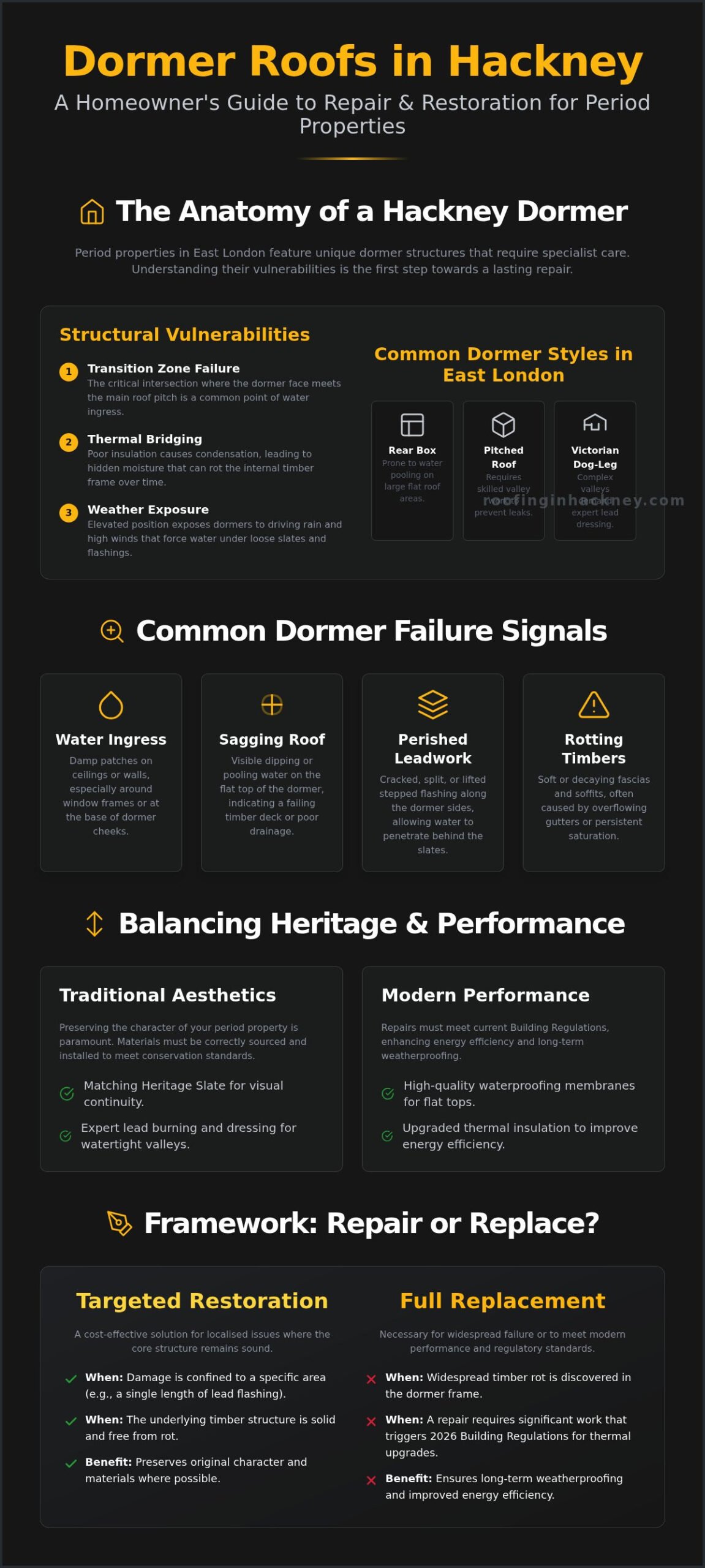
Understanding The Anatomy of a Hackney Dormer is the first step in ensuring a successful restoration. A dormer is a vertical window projection that creates a complex intersection of roof planes, breaking the primary slope of the roof. In the dense urban rows of East London, these structures aren’t just architectural flourishes; they’re critical components that must manage water runoff from multiple angles. When you’re considering dormer roof repair Hackney properties often require, you’re dealing with a structure where the original pitched slate roof meets a modern or Victorian extension.
Hackney’s Victorian terraces are unique. Many feature L-shaped dormers situated on rear outriggers, designed originally to provide light to narrow stairwells or small upper rooms. These “dog-leg” configurations create intricate valleys where leadwork must be perfectly dressed to prevent water ingress. Generic “one-size-fits-all” repair kits often fail on period East London properties because they don’t account for the natural movement between the heavy timber rafters of the main house and the lighter framing of the dormer extension.
Common Dormer Styles in East London
Hackney’s skyline is defined by three primary dormer configurations, each presenting its own set of maintenance challenges:
- Rear Box Dormers: These maximise internal floor space but create large flat roof areas. They’re prone to pooling if the falls aren’t correctly engineered to shed water into the guttering.
- Victorian Dog-Leg Dormers: Traditional styles that require precision slate integration and expert lead burning. These are common in the borough’s many conservation areas.
- Pitched Roof Dormers: Often found on more decorative properties, these require skilled valley work to ensure the intersection between two pitched surfaces remains watertight.
Structural Vulnerabilities of Ageing Dormers
Dormers in East London face specific environmental pressures. Being elevated, they’re exposed to high-altitude winds and driving rain that can force water under loose slates or perished flashings. The “Transition Zone” where the dormer face meets the original roof pitch is a frequent point of failure. Professional dormer roof repair Hackney homeowners invest in must also address thermal bridging. Older constructions often lack modern insulation, leading to temperature differences that cause condensation. This hidden moisture can rot the internal timber frame over time, even if the exterior appears sound. If you’ve noticed damp patches on your top-floor ceiling, it’s often a sign that these transition zones have reached their limit, and you can contact us for a specialist assessment.
Identifying Common Dormer Failures in East London Terraces
Identifying the early signs of failure can prevent a minor leak from becoming a structural emergency. In Hackney’s Victorian terraces, the most common issues arise at the complex junctions where the dormer meets the main roof. Water ingress often begins around window frames or at the base of the dormer cheeks, where sealant has perished or timber has expanded over decades of seasonal cycles. Because these structures sit proud of the main roof slope, they act as a catch-all for driving rain and wind-blown debris, which can quickly expose any weakness in the original construction.
Beyond the window frames, sagging flat roof membranes on the dormer top are a frequent sight in East London. When the internal timber deck begins to fail or the falls weren’t correctly engineered, water pools on the surface. This standing water accelerates the degradation of the membrane, eventually leading to a breach. Furthermore, rotting timber fascias and soffits often indicate poor guttering or blocked outlets, where water overflows and saturates the woodwork. If you’ve noticed these external symptoms, it’s wise to request a professional survey before the damage reaches the internal rafters.
The Role of Leadwork in Dormer Integrity
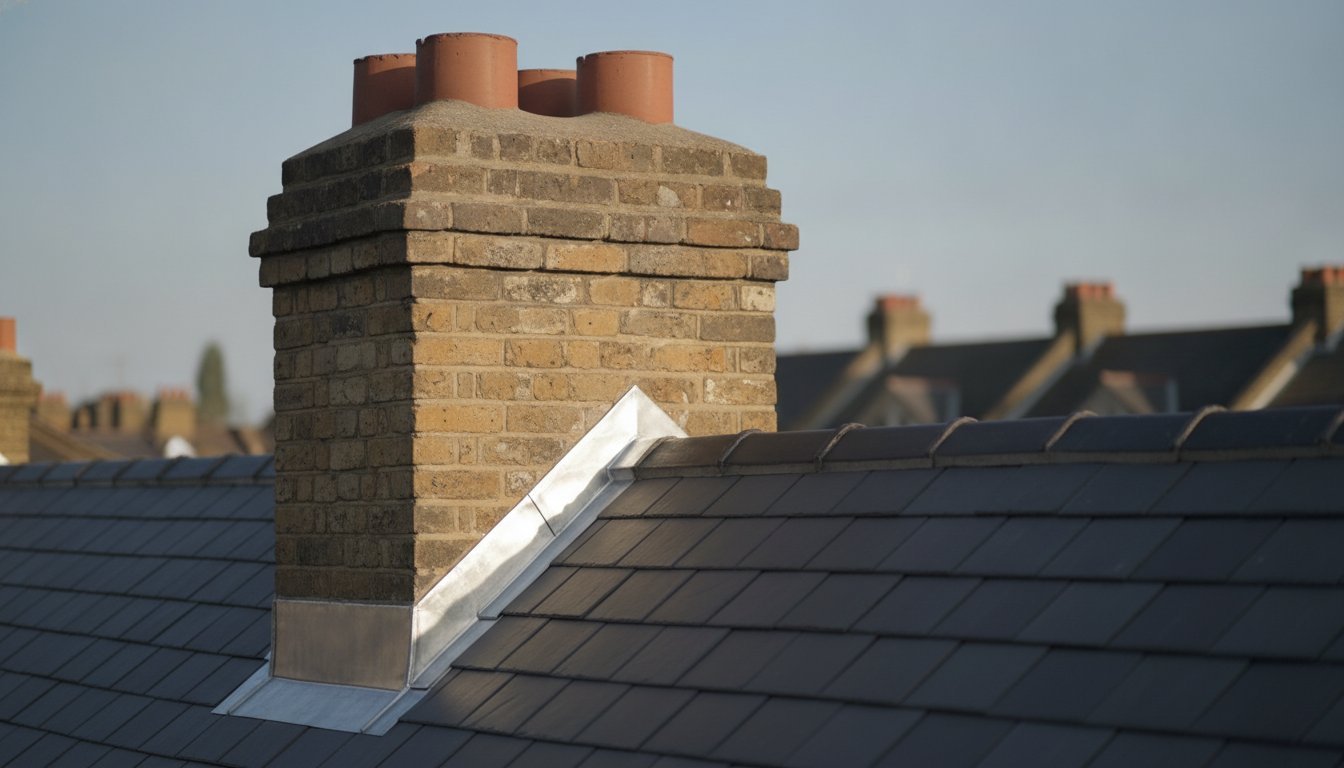
Lead is the primary defence for any period dormer, but it isn’t immortal. In older Hackney properties, we often see “stepped flashing” failure on the dormer sides, where the lead has pulled away from the brickwork or the mortar pointing has disintegrated. Lead fatigue is another silent issue; after years of thermal expansion and contraction, the metal can thin and develop hairline cracks that are nearly invisible from the ground.
Specialist dormer roof repair Hackney homeowners rely on must involve lead welding for complex corner joints. Many general builders attempt to use silicone or mastic to patch these areas, but these are temporary fixes that fail within a few seasons. True craftsmanship requires dressing the lead into the valleys and ensuring that every lap and joint is mechanically sound and weatherproof.
Signs of Internal Damp and Structural Decay
Internal symptoms often manifest as discolouration or “tide marks” on top-floor ceilings near the dormer intersection. However, not all dampness is caused by a direct leak. Interstitial condensation is a common problem in Hackney, where warm, moist air from the house hits the cold underside of the dormer roof. This is why Historic England’s guidance on insulating dormer windows is so vital; it explains how to balance thermal performance with the breathability required for heritage structures.
If you detect musty smells or mould growth specifically in the “cheeks” of the dormer, it may indicate that the internal insulation has become saturated. Distinguishing between an active leak and a condensation issue is critical, as the solution for dormer roof repair Hackney properties need will differ significantly between the two. A specialist roofer will use moisture meters to determine whether the moisture is coming from outside or being generated from within the home.
Material Selection: Balancing Heritage Slate with Modern Weatherproofing
Choosing the right materials for a dormer roof repair Hackney project requires a dual-focus approach. On one hand, the visible faces must respect the historical context of the building. On the other, the hidden flat sections require advanced modern membranes to ensure long-term durability. This balance prevents the “patchwork” look often seen when general builders use modern materials incorrectly on period terraces. By selecting materials that age gracefully alongside the original structure, you protect both the building’s envelope and its market value.
Heritage Slate and Tile Integration
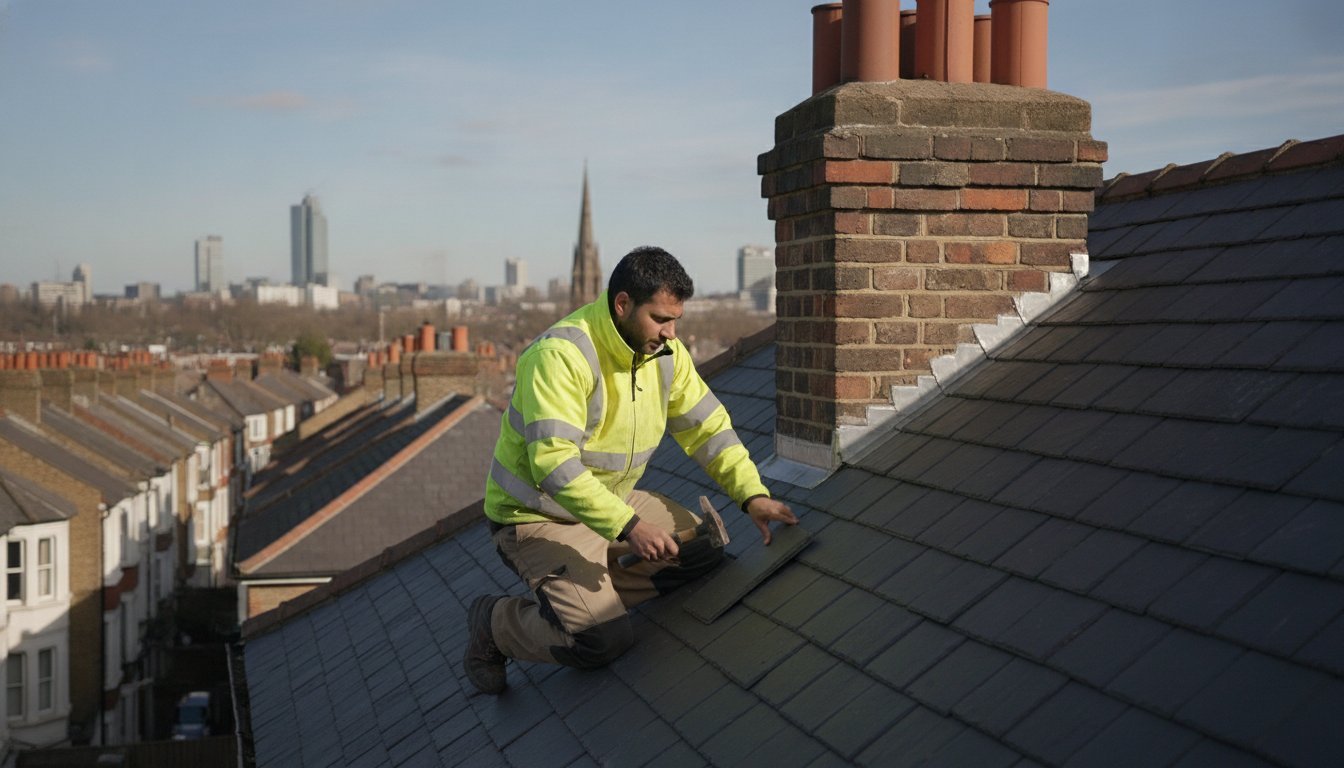
Matching the original slate roofing Hackney homes were built with is essential for aesthetic harmony. We often source reclaimed Welsh slate to ensure the colour and texture perfectly mirror the main roof pitch. The most technical part of this integration is the transition zone where the dormer face meets the original roof. These areas are prone to leaks if the slating isn’t meticulously coursed. To ensure complete weatherproofing on a vertical dormer face, slates must be fixed with a minimum three-inch head lap and a gauge calculated precisely to match the existing roof’s coursing.
Lead remains the gold standard for these intersections. The longevity of expert leadwork Hackney specialists provide is unmatched, particularly for the valleys and aprons that channel water away from the window. For the dormer cheeks, homeowners must choose between traditional timber cladding and modern composites. Whilst timber provides an authentic Victorian finish, it requires regular painting to prevent rot. Composite options offer a lower-maintenance alternative that can be colour-matched to traditional lead or slate, providing a clean finish that resists the elements.
High-Performance Flat Roof Solutions
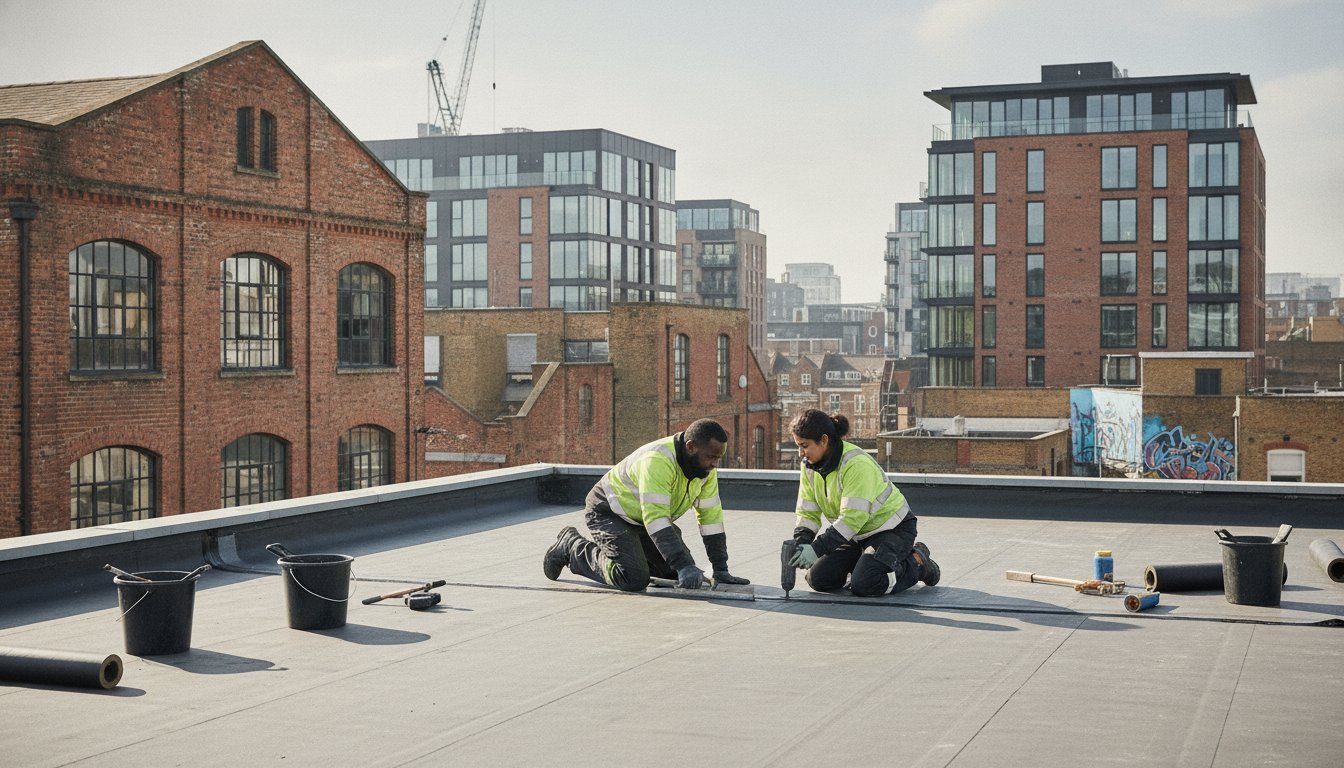
The top of the dormer is its most vulnerable point because it typically has a very low pitch. High-performance flat roof installation Hackney services typically offer two main options: EPDM and GRP. EPDM rubber is highly flexible, making it ideal for older Hackney properties that may still experience minor structural settling. It handles thermal expansion without cracking and has a proven lifespan of over 50 years. This flexibility is a significant advantage when performing dormer roof repair Hackney on terraces where neighbouring buildings might cause slight vibrations or movement.
GRP fibreglass provides a different set of benefits. It creates a seamless, moulded finish that is extremely tough and aesthetically “clean.” This is often preferred when a dormer top is visible from higher neighbouring windows, as it looks more like a single, solid piece of engineering. Both systems represent a significant upgrade over traditional felt, which often dries out and cracks under the intense summer sun. Selecting the right membrane depends on the specific structural condition of your dormer’s timber deck and your long-term maintenance preferences.
Repair or Replace? Navigating Building Regulations and Thermal Upgrades
Deciding whether to patch a leak or commission a full replacement is a pivotal moment for any property owner. The “point of no return” usually occurs when the cost of individual repairs, such as fixing multiple lead valleys and replacing rotten timber cheeks, approaches 50% of the cost of a full reconstruction. In Hackney, this decision is often influenced by the 25% rule. Under current UK Building Regulations, if you replace more than 25% of a roof’s area, it’s considered a “material alteration.” This trigger requires you to upgrade the roof’s thermal efficiency to meet the latest Part L standards.
Integrating thermal roof insulation upgrades during a dormer roof repair Hackney project isn’t just about compliance; it’s about comfort. Older dormers are notorious for being thermal bridges that leech heat from your top floor. By installing a modern vapour control layer alongside new insulation, you prevent the interstitial condensation mentioned in previous sections. This ensures that the warm air from your home doesn’t reach the cold structural timbers, protecting them from long-term decay.
Hackney Council Planning and Conservation
The London Borough of Hackney operates 29 conservation areas where Permitted Development rights are often restricted. Under the “Residential extensions and alterations supplementary planning document (SPD)” that came into effect in January 2026, any dormer alteration facing a highway typically requires full planning permission. The householder planning application fee currently stands at £258. For properties in these sensitive areas, matching original materials like slate and lead is a legal requirement to preserve the street’s character. Additionally, any significant work must now align with 2026 fire safety standards, which may influence the choice of internal linings and external cladding.
Maximising Energy Efficiency
When rebuilding a dormer, you must choose between a “warm roof” and a “cold roof” configuration. A warm roof places high-performance PIR insulation boards on top of the structural deck, keeping the entire timber frame within the heated envelope of the building. This is often the preferred method for slim dormer profiles where internal head height is at a premium. Whilst the initial investment is higher than a simple patch repair, the long-term ROI is substantial. A well-insulated dormer significantly reduces heating bills, which is a vital consideration given the UK’s focus on the Future Homes and Buildings Standards.
If your dormer is showing signs of structural failure or persistent damp, taking action now prevents more costly intervention later. You can book a technical survey with our specialist team to determine the most cost-effective path forward for your property.
Professional Dormer Restoration with Roofing in Hackney
Entrusting your period property to a specialist roofer is the only way to ensure the structural shell of your dormer remains sound for the long term. General builders often lack the specific training required for lead welding and heritage slate integration, which frequently results in the recurring leaks discussed earlier. We take a methodical approach to every project, starting with a comprehensive technical assessment that looks beyond the surface. This process identifies whether moisture is entering through perished flashings or if the internal timber frame has been compromised by the interstitial condensation issues common in older East London terraces.
Our restoration programme is designed to protect your Hackney investment by using only heritage-grade materials that satisfy local conservation officers. We understand that a dormer is a high-exposure element of your home; therefore, every dormer roof repair Hackney project we undertake is executed with a focus on structural longevity and aesthetic harmony. By matching the weight and texture of your existing roof, we ensure the new work is virtually indistinguishable from the original Victorian architecture. All our structural repairs come with comprehensive guarantees, providing you with the calm dependability that your home is secure against the elements.
The Roofing in Hackney Advantage
We bring deep expertise in Victorian and Edwardian terrace roof structures to every project in the borough. Our team doesn’t just patch holes; we restore the integrity of the building using traditional techniques such as lead burning and hand-cut slate coursing. This technical proficiency is balanced with a commitment to transparent pricing and local reliability. We provide clear, itemised breakdowns of work so you understand exactly where your investment is going. There are no high-pressure sales tactics; just a professional partner focused on doing things the right way. Our team specialises in the high-quality dormer roof repair Hackney homeowners require to maintain their property’s value.
Start Your Dormer Restoration
Taking the first step toward a weatherproof home begins with a specialist dormer survey. This technical inspection allows us to pinpoint the root cause of your specific issues, whether they stem from the transition zones or flat roof sections. Once the survey is complete, you’ll receive a detailed quote for a permanent, heritage-matched repair that aligns with the 2026 standards we’ve outlined. Contact our Hackney team today to discuss your project and secure your property’s future.
Securing Your Hackney Home’s Future
We’ve explored how the intricate anatomy of Victorian dormers demands specialist knowledge and why adhering to the 2026 thermal standards is essential for long-term comfort. Balancing heritage slate with high-performance membranes ensures your property remains both aesthetically pleasing and completely weatherproof. Identifying structural failures early, from perished leadwork to failing flat roof sections, is the most effective way to prevent costly decay within the timber frame. Professional intervention bridges the gap between traditional craftsmanship and modern energy efficiency requirements.
Investing in professional dormer roof repair Hackney protects the structural integrity of your terrace whilst honouring the local architectural character of East London. As Hackney-based specialists in slate and leadwork, we provide deep expertise in Victorian and Edwardian structures. Every project is executed with precision and supported by comprehensive roofing guarantees for your peace of mind. Our methodical approach ensures that every repair is durable, invisible, and tailored to the unique needs of your period home.
Request a Specialist Dormer Roof Survey in Hackney
Taking proactive steps to restore your dormer today ensures your home remains a warm, secure, and valuable asset for many years to come.
Frequently Asked Questions
How much does a typical dormer roof repair cost in Hackney in 2026?
Industry data suggests that repairing dormer façades and flashings typically costs between £200 and £500 per dormer, excluding VAT and access equipment. Natural slate repairs often range from £75 to £230 per m². For a comprehensive dormer roof repair Hackney specialists provide, final costs depend on the extent of timber decay and the complexity of the leadwork. We always recommend a technical survey to identify hidden issues before providing a fixed quote.
Do I need planning permission to repair my dormer in a Hackney conservation area?
Planning permission is often required if your property is within one of Hackney’s 29 conservation areas and the dormer faces a highway. Under the 2026 Residential Extensions SPD, many Permitted Development rights are restricted for heritage buildings. A householder planning application in Hackney currently costs £258. Even if permission isn’t needed, you must still comply with Building Regulations if you replace more than 25% of the roof area.
How long does it take to fix a leaking dormer roof?
Most minor repairs, such as replacing slipped slates or patching lead flashings, can be completed within a single day. However, a full structural restoration involving timber replacement, new insulation, and lead welding typically takes between three and five working days. This timeline assumes favourable weather conditions and safe scaffold access. We prioritise weatherproofing the structure immediately to protect your home’s interior throughout the duration of the works.
What is the best material for a flat dormer roof in East London?
EPDM rubber is widely considered the best material for flat dormer tops in East London due to its exceptional flexibility and 50 year lifespan. It handles the thermal expansion and contraction common in older Hackney terraces without cracking. GRP fibreglass is another durable alternative, offering a seamless, moulded finish that is highly resistant to impact. Both materials represent a significant upgrade over traditional felt, which often fails under intense UV exposure.
Can you repair a dormer roof from the inside of the house?
No, professional dormer repairs must be carried out from the exterior to ensure the building’s envelope remains watertight. Whilst we may use internal access to inspect damp patches or install certain types of insulation, the actual weatherproofing layers must be laid from the outside. Attempting to patch a roof from within is a temporary measure that fails to address the root cause of water ingress and often leads to trapped moisture.
Why does my dormer roof leak only during heavy rain and wind?
Leaks that only occur during heavy rain and wind often indicate that water is being forced under loose slates or perished lead flashings. In Hackney’s dense urban environment, high-altitude winds can drive water upwards into the transition zone where the dormer meets the main roof pitch. This type of ingress suggests that the mechanical fixings or the head lap of your slating have reached the end of their effective service life.
Will repairing my dormer roof improve the energy efficiency of my home?
Yes, a professional dormer roof repair Hackney project will significantly improve your home’s thermal performance. Under Part L of the Building Regulations, any substantial roof renovation must include an upgrade to modern insulation standards. By installing high-performance PIR boards and a vapour control layer, you eliminate thermal bridging and reduce heat loss. This not only makes top-floor rooms more comfortable but also leads to a noticeable reduction in annual heating bills.
How do I know if my dormer leadwork needs replacing or just repairing?
Leadwork typically needs replacing if it shows signs of fatigue, which manifests as multiple hairline cracks or significant thinning of the metal. If the lead has simply pulled away from a masonry joint, a targeted repair and repointing may suffice. However, if the lead is over 60 years old and has become brittle, a full replacement is the only way to ensure a permanent, weatherproof solution for your period home.