Your Victorian terrace is a masterpiece of 19th-century engineering, but its roof was never designed to meet 21st-century thermal standards. It’s frustrating to watch damp patches creep across period plasterwork or feel heat escaping through original slates whilst energy bills continue to rise. You deserve a solution that respects the architectural integrity of East London whilst providing the comfort and efficiency of a modern build.
Undertaking a terraced house roof replacement Hackney project requires a specialist approach that balances heritage aesthetics with the strict 2026 Building Regulations. We understand the anxiety of finding a roofer who respects your home’s history and the fear of neighbour disputes over shared party walls. This guide provides the technical clarity you need to secure a weather-tight, energy-efficient roof that will protect your property value for the next 50 years.
We’ll walk you through the complexities of the latest Hackney planning guidance, from choosing high-quality slates to implementing essential Part L insulation upgrades. You’ll discover how to manage scaffolding logistics and party wall agreements with professional precision, ensuring your home remains a dry, warm, and beautiful part of the local landscape.
Key Takeaways
- Navigate the updated 2026 Hackney planning requirements and conservation area rules to ensure your period property remains fully compliant.
- Discover why a professional terraced house roof replacement Hackney project offers superior long-term value compared to the cycle of repetitive minor repairs.
- Learn how to balance traditional Victorian aesthetics with modern Part L thermal standards to significantly reduce your home’s energy consumption.
- Master the logistics of scaffolding and party wall considerations to minimise disruption on narrow East London residential streets.
- Identify the specific materials and breathable membranes required to protect your home’s original plasterwork and structural integrity for decades.
Understanding the Unique Challenges of Hackney’s Terraced Roofs
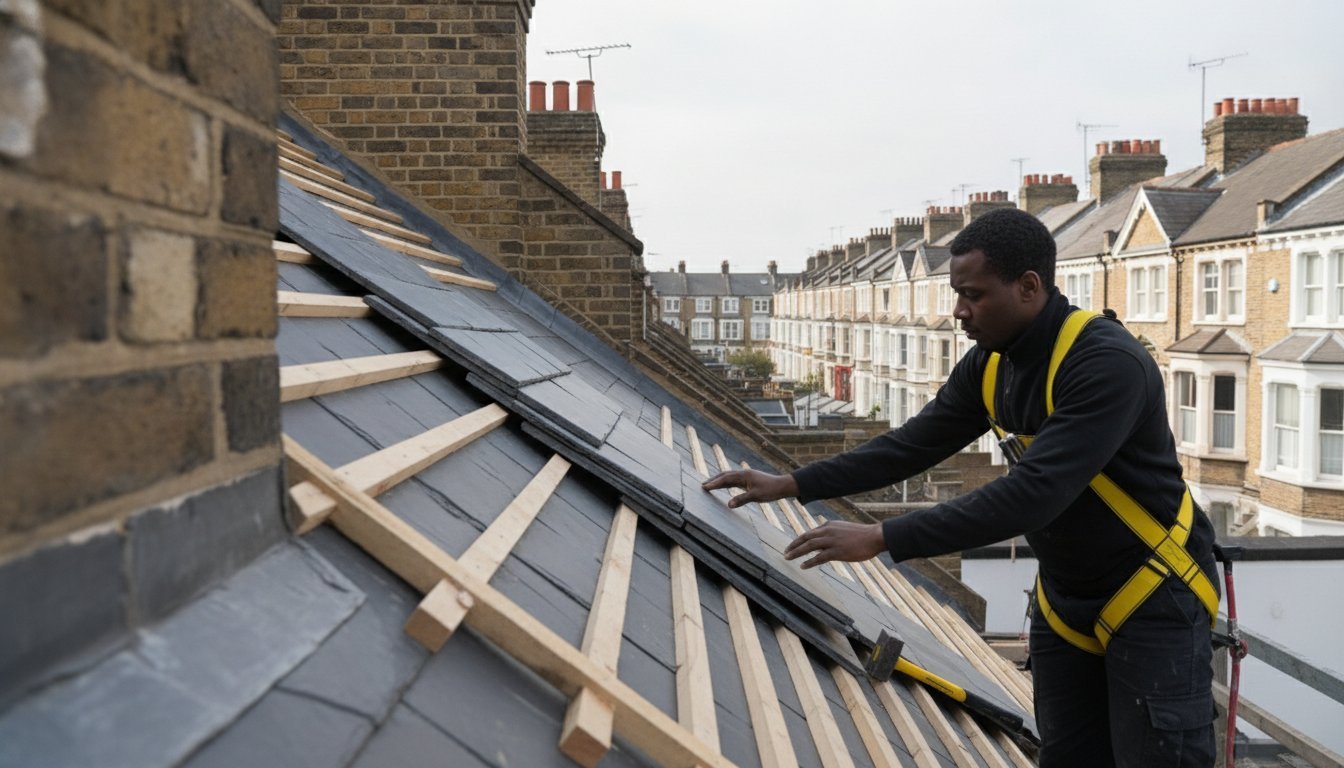
Hackney’s skyline is defined by its Victorian and Edwardian architecture. From the grand terraces of De Beauvoir to the worker cottages of Homerton, these buildings share a common structural DNA. Most of these roofs were originally laid with Welsh slate or clay tiles between 1860 and 1910. The history of terraced houses shows how these homes were built to maximise space in growing urban centres like East London. However, after 120 years of service, the primary driver for any terraced house roof replacement Hackney project is simple material exhaustion. Terraced roofs require more careful planning than detached homes because they are part of a continuous structural sequence where one property’s integrity often relies on its neighbour’s.
Common Signs of Roof Failure in Period Terraces
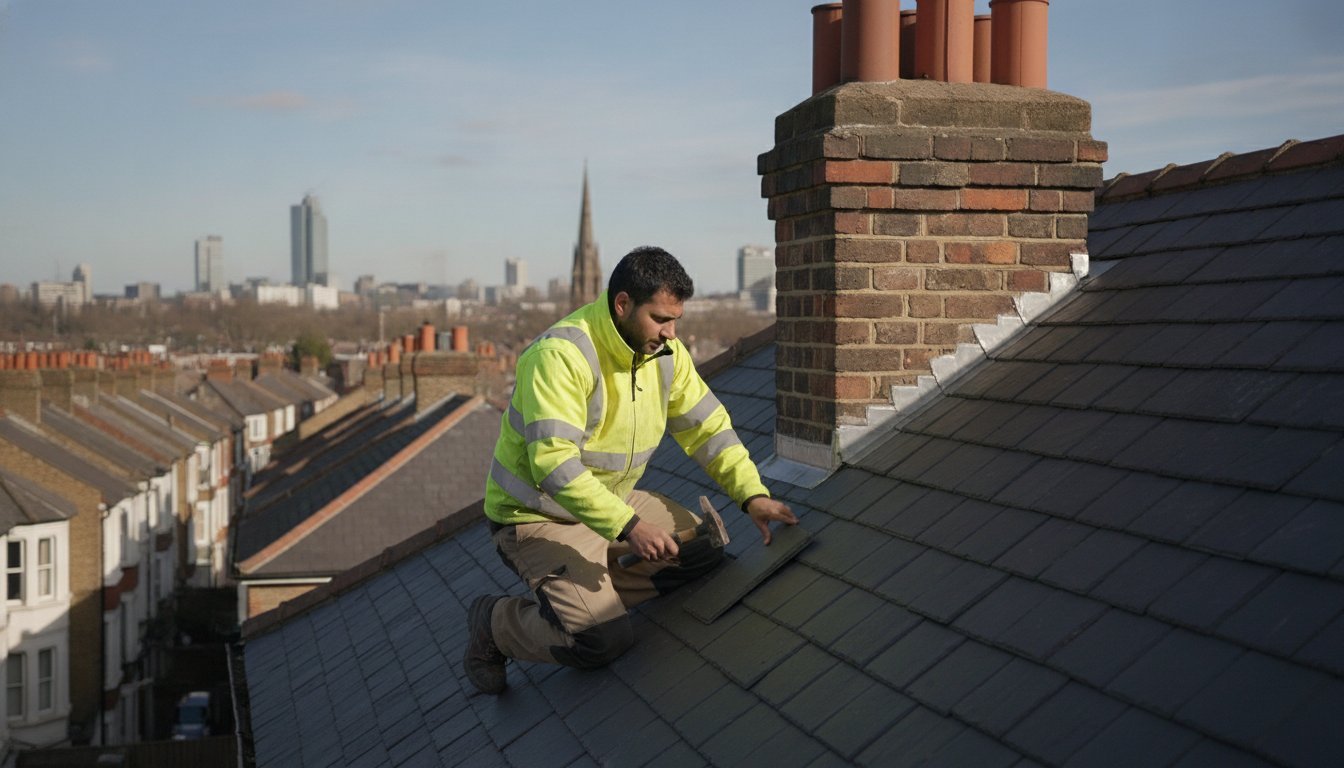
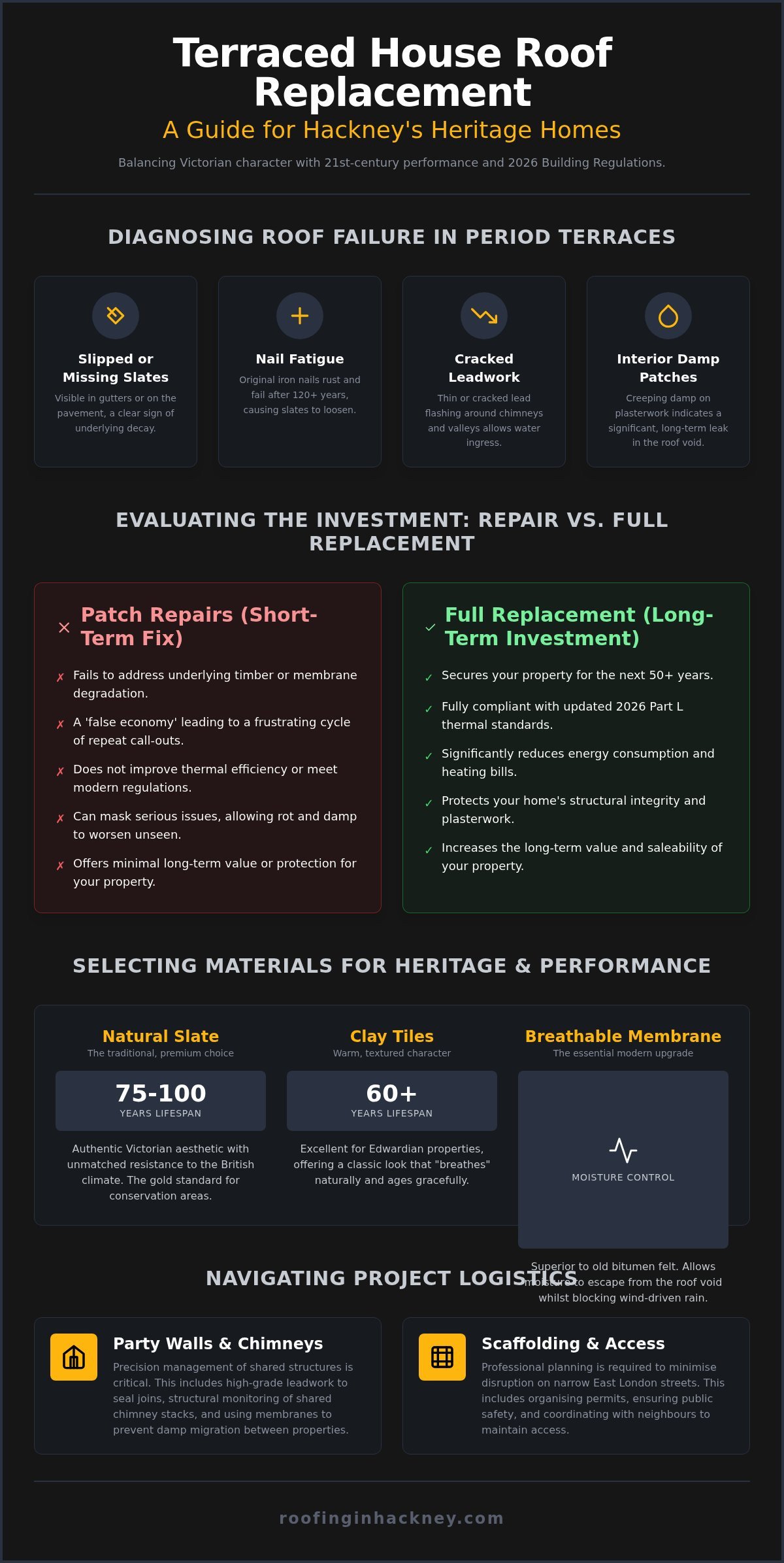
Period roofs rarely fail all at once. Instead, they exhibit specific symptoms of decline that require expert diagnosis. “Nail fatigue” is a common specialist term for when the original iron fixings holding slates in place rust through, causing slates to slip out of alignment. You might notice slipped or delaminated slates in your gutters or on the pavement. Whilst it’s tempting to opt for “patch-and-pray” repairs, these are often a false economy. They fail to address the underlying degradation of the timber battens or the lead flashing around shared valleys and chimney pots. Once the lead becomes thin or cracked, water ingress into the roof void is inevitable.
The Complexity of Shared Party Walls and Chimneys
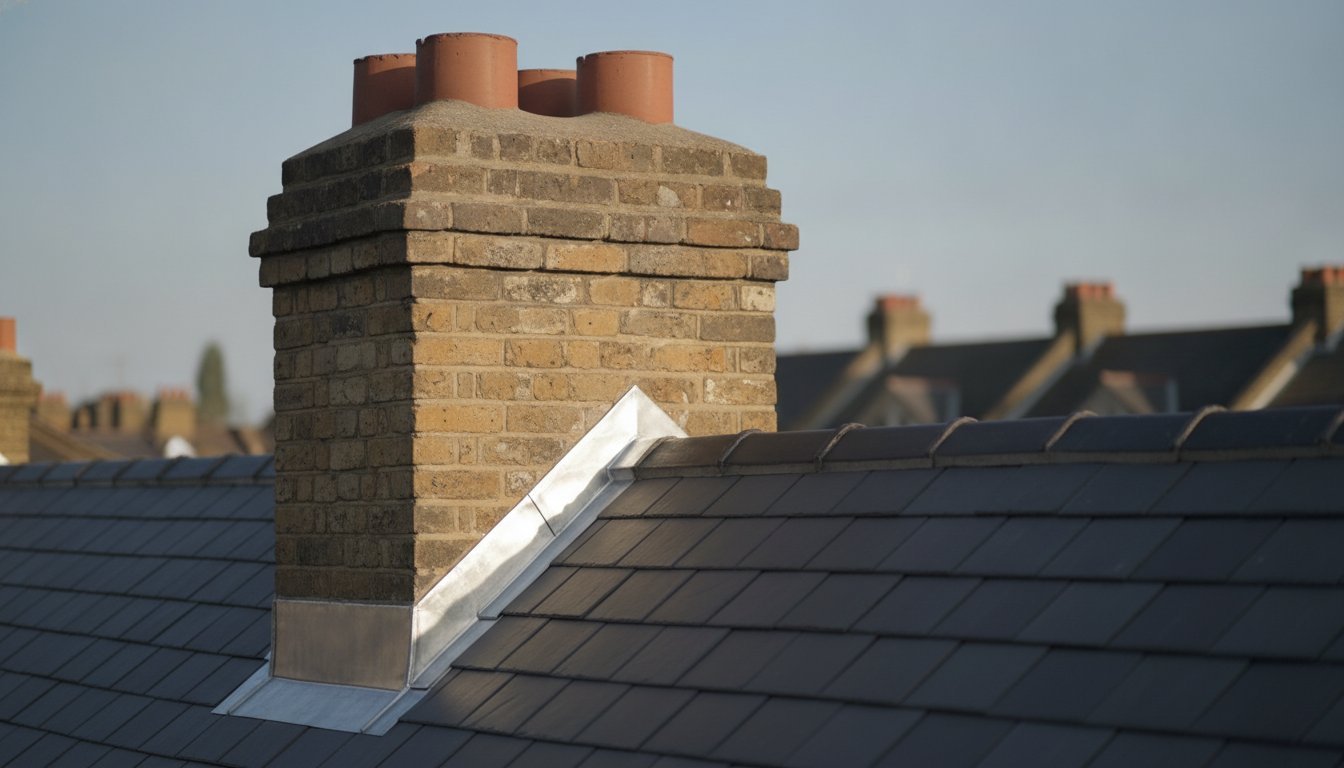
A terraced property isn’t an island. Its structural health is intimately linked to the properties on either side. Shared chimney stacks are a particular point of vulnerability. During a terraced house roof replacement Hackney, we must meticulously manage the interface where your roof meets your neighbour’s. This involves several technical considerations:
- Leadwork precision: High-grade lead soakers and flashings are essential to create a watertight seal at the party wall join.
- Structural stability: Shared chimney stacks must be carefully monitored to ensure that removing old roof timbers doesn’t compromise the shared brickwork.
- Damp prevention: We use modern breathable membranes to prevent damp migration across shared internal walls, protecting your period plasterwork and your neighbour’s home.
Successful projects rely on this technical proficiency to ensure a seamless transition between old and new materials. By addressing these shared elements with precision, we maintain the structural harmony of the entire terrace row.
Selecting the Right Materials for Heritage and Durability
Choosing the right materials for a terraced house roof replacement Hackney project involves more than just selecting a durable cover. It’s a careful balancing act between modern performance and the preservation of East London’s architectural character. Since many properties in the borough fall under Hackney conservation area regulations, your choice of materials must satisfy both aesthetic requirements and the latest 2026 Building Regulations. Using the wrong products doesn’t just look out of place; it can lead to planning disputes or structural issues if the materials are too heavy for original Victorian timbers.
Modern roofing systems offer a significant upgrade over the original builds. We prioritise high-quality breathable membranes over traditional bitumen felt. These membranes allow moisture to escape from the roof void whilst providing a secondary line of defence against wind-driven rain. When selecting the primary covering, we typically compare three main options:
- Natural Slate: The traditional choice for Hackney, offering a lifespan of 75 to 100 years and a timeless, sophisticated finish.
- Clay Tiles: Excellent for Edwardian properties, providing a warm, textured aesthetic that breathes naturally.
- Concrete Alternatives: A cost-effective option, though their increased weight often requires structural reinforcement of the existing roof rafters.
Traditional Welsh Slate vs. Spanish Slate Options
Welsh slate is widely regarded as the finest roofing material in the world. Its density and low water absorption make it incredibly resistant to the British climate. For homeowners prioritising longevity, it’s an investment that can last over a century. However, high-quality Spanish slate has become a popular alternative in Hackney. When sourced correctly, Spanish slate provides a similar deep grey or blue-black hue that matches the existing streetscape perfectly. This allows you to maintain the property’s kerb appeal and capital value whilst managing the project budget effectively.
Specialist Leadwork and Chimney Restoration
In a terraced environment, the junctions between roofs are the most common points of failure. Leadwork remains the gold standard for weatherproofing these complex areas. Whether it’s the valley gutters between two properties or the flashings around a shared chimney stack, expert leadwork provides the flexibility and durability that modern sealants cannot match. Integrating professional leadwork and chimney repair into your replacement project is essential. We focus on restoring chimney stacks to their original condition, ensuring they are structurally sound and properly ventilated to prevent internal damp. If you’re unsure which material profile is right for your home, you can contact our local specialists for a detailed material consultation.
Evaluating the Investment: Repair vs. Full Roof Replacement
Deciding between a series of targeted repairs and a complete terraced house roof replacement Hackney project is a pivotal financial choice for any homeowner. Whilst individual slate replacements might seem cost-effective in the short term, they often mask systemic failures in the underlying structure. Minor repairs fail to address the brittle state of 100-year-old laths or the degradation of the original iron nails. Continually patching a century-old slate roof is a false economy that merely delays an inevitable and more expensive structural intervention. A full replacement allows us to inspect and reinforce the original rafters, ensuring the primary skeleton of your home is sound before new materials are laid. This proactive approach significantly bolsters the long-term capital value of your property in Hackney’s competitive housing market.
Thermal Performance and Energy Efficiency Upgrades
A full re-roofing project provides the perfect window to install thermal roof insulation upgrades. Under current 2026 Building Regulations, any replacement of more than 25% of a roof area triggers a requirement to improve thermal efficiency. We help homeowners choose between “cold roof” insulation, where material is placed between the rafters, and “warm roof” systems that create a sealed thermal envelope. These upgrades are essential for reducing high heating bills and lowering the carbon footprint of Hackney’s Victorian housing stock. Adhering to Hackney Council’s conservation area guidance ensures these modern improvements don’t conflict with the heritage requirements of your specific neighbourhood.
Assessing the Long-Term ROI of Quality Craftsmanship
Investing in professional installation protects your home’s internal period features from the devastating effects of water ingress. A certified new roof is a significant asset during property valuations and home surveys, often making the difference in a smooth sale. Building insurance providers also look favourably on modern installations, which can lead to reduced premiums. By choosing reliable roofers in Hackney, you secure a project managed with technical precision and backed by a valid long-term guarantee. This peace of mind is invaluable, transforming a necessary maintenance task into a strategic investment in your home’s future.
Navigating the Logistics of a Hackney Roof Replacement
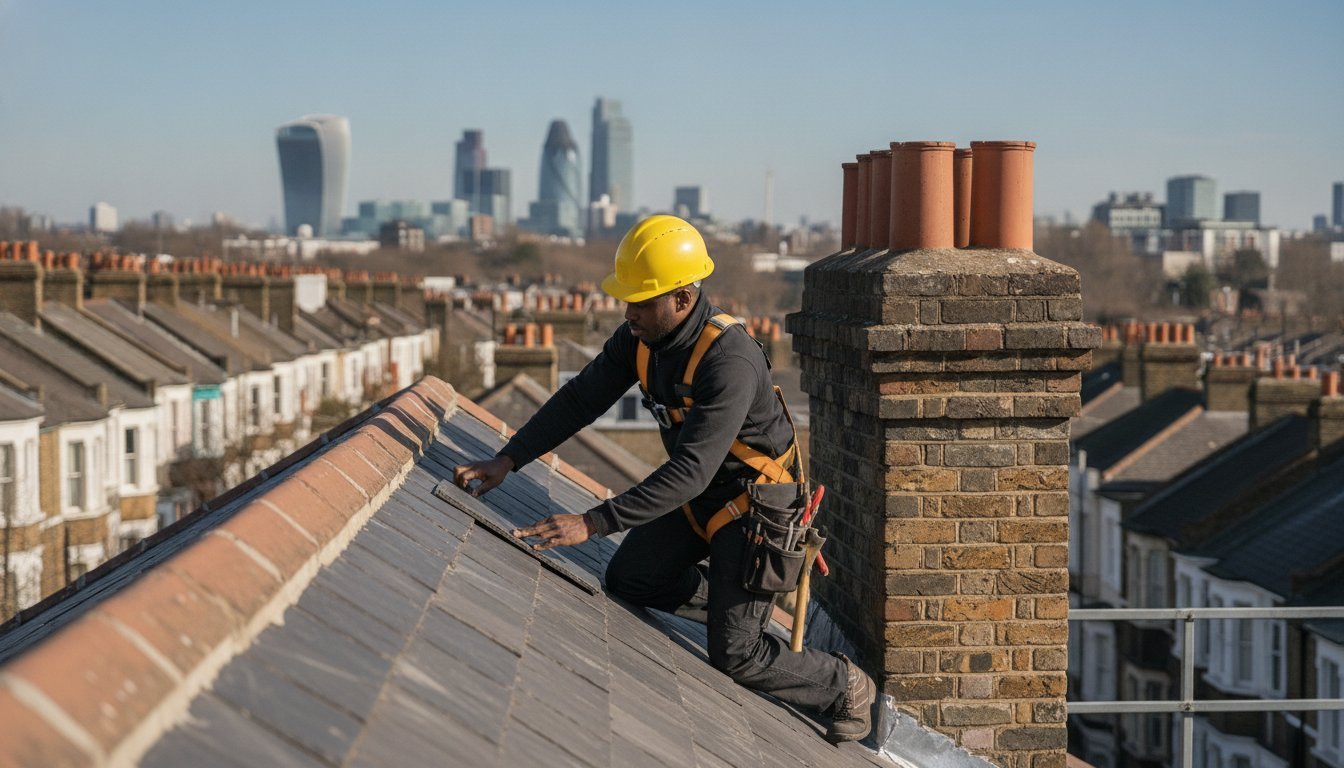
A successful terraced house roof replacement Hackney project relies as much on logistical precision as it does on technical skill. In the dense residential pockets of East London, we manage every phase with a methodical approach designed to protect your home and respect your neighbours. A standard replacement typically spans three to five days. It begins with the secure erection of scaffolding, followed by a systematic strip-and-replace process. We prioritise keeping the property watertight at every stage, using high-grade temporary coverings to ensure your interior remains dry even if the British weather turns during the build.
The narrow proportions of Hackney streets require careful coordination. Shared pavements often necessitate formal pavement licences from the local authority to ensure pedestrian safety and legal compliance. Our Master Craftsman ethos extends beyond the roofline; we maintain a clean, organised site to minimise the impact on your street. We use debris netting and daily waste clearance to prevent dust and rubble from accumulating on shared footpaths.
Planning Permission and Conservation Area Constraints
Hackney Council enforces specific requirements for heritage roofing, particularly within the borough’s 29 conservation areas. If you’re located in Victoria Park or De Beauvoir Town, you must adhere to strict material standards to preserve the uniform streetscape. Whilst a “like-for-like” replacement using traditional slate or clay tiles often falls under permitted development, it’s vital to verify this before work commences. We help homeowners navigate these rules, ensuring that any modern upgrades, such as rooflights or vents, comply with local design guidance.
The Party Wall Act and Neighbourly Communications
Because terraced roofs share structural components, the Party Wall Act is a critical consideration. You have a legal duty to notify your neighbours when work affects a shared chimney or the structural join between properties. Early, transparent communication is the most effective way to avoid project delays or disputes. We support this process by providing clear timelines and technical details for your neighbours. By scheduling the most disruptive tasks during mid-morning hours and using dust suppression techniques, we ensure the project proceeds with minimal friction. To ensure your project is managed with this level of professional care, you can request a logistical site survey from our local team.
Choosing Roofing in Hackney for Your Terraced Project
Selecting a contractor for a terraced house roof replacement Hackney isn’t just about finding a builder; it’s about partnering with a specialist who respects the historic fabric of East London. Our team focuses on the intersection of traditional heritage skills and modern performance standards. We understand that a Hackney terrace requires a specific set of competencies, from handling delicate Victorian brickwork to ensuring that new slate matches the historic streetscape. By working with a local advisor, you benefit from a deep familiarity with the borough’s unique building stock and the logistical challenges of its residential neighbourhoods.
We don’t believe in shortcuts. Every project is an opportunity to reinforce the structural longevity of the community we serve. Our portfolio of local terraced roof replacements demonstrates our ability to integrate high-performance insulation whilst maintaining the slender, elegant profiles of original rooflines. We take pride in our technical proficiency, ensuring that every join, valley, and ridge is executed with the precision that period properties demand.
Our Methodical Approach to Heritage Roofing
A successful project begins with an exhaustive technical survey. We look beyond the surface to assess the health of your rafters and the integrity of shared chimney stacks. This transparency ensures there are no surprises once the old materials are removed. Our workflow is structured into clear, predictable phases, from the initial strip-back to the final leadwork inspection. This organised progression makes our professional roof replacement service a secure, long-term investment rather than a temporary fix. We provide regular updates throughout the build, ensuring you feel supported and informed at every stage.
Start Your Hackney Roof Replacement Journey
We invite you to experience our expert-led approach firsthand. Your journey begins with a detailed technical survey where we provide a clear assessment of your roof’s current condition and a structured breakdown of the necessary works. During this consultation at your Hackney property, we’ll discuss material options, thermal upgrades, and logistical planning tailored to your specific terrace. We pride ourselves on offering grounded, professional advice that helps you make informed decisions for your home. You can reach out to our team today to discuss your roofing requirements and secure the future of your property with local craftsmanship you can trust.
Protecting Your Property’s Heritage and Future
Protecting the structural integrity of your period home is a significant commitment. By choosing high-quality materials and adhering to 2026 thermal standards, you transform a necessary maintenance task into a strategic investment. We have explored how a professional terraced house roof replacement Hackney project resolves the cycle of repetitive repairs whilst securing your property’s capital value for decades to come. A methodical approach to shared chimneys and party walls ensures that your home remains a dry, warm, and beautiful part of the local landscape.
As specialists in Victorian and Edwardian heritage roofing, we bring technical mastery to every shared chimney stack and lead valley. Our deep understanding of Hackney’s conservation areas ensures your project remains compliant with local regulations. We pride ourselves on being traditional slate craftsmen who deliver modern energy efficiency without compromising East London’s historic aesthetic. The future of your home depends on the quality of its protection; and our methodical approach ensures a result that lasts for generations.
You can take the first step towards a weather-tight, energy-efficient property today. Request a Professional Roof Survey for Your Hackney Terrace to ensure your home receives the expert-led care it deserves.
Frequently Asked Questions
Do I need planning permission to replace my terraced roof in Hackney?
Most like-for-like replacements fall under permitted development, but Hackney’s 29 conservation areas often have Article 4 directions that remove these rights. If your property is listed or in a designated area like De Beauvoir Town, you will likely need formal approval. We recommend checking the 2026 Hackney Planning Guidance to ensure your choice of materials and any structural changes comply with local heritage standards before starting work.
How long does it take to replace a roof on a standard Victorian terrace?
A standard terraced house roof replacement Hackney project typically takes between three and five working days to complete. This timeline includes the initial scaffolding setup, stripping the old materials, and installing the new slate or tile system. Factors such as the complexity of shared chimney stacks and weather conditions can influence the duration. Our team works methodically to ensure each phase is finished efficiently whilst maintaining the highest standards of craftsmanship.
Is a Party Wall Agreement necessary for a roof replacement?
Yes, a Party Wall Agreement is often necessary because terraced houses share structural elements like chimney stacks and party walls. Under the Party Wall Act, you have a legal obligation to notify your neighbours if the work involves shared structures. This notification helps prevent disputes and ensures both properties remain structurally sound. It is a standard part of a professional roof replacement process that protects all parties involved in the project.
What is the best roofing material for a period house in East London?
Natural Welsh or Spanish slate is widely considered the best material for Victorian and Edwardian terraces in East London. These materials offer exceptional durability and maintain the architectural integrity of the local streetscape. Clay tiles are also a suitable choice for certain Edwardian styles. We prioritise materials that balance traditional aesthetics with modern performance, ensuring your home remains weather-tight and visually consistent with the surrounding historical architecture of Hackney.
Can I stay in my house whilst the roof is being replaced?
You can certainly remain in your property during the replacement process. Most of the work is conducted externally from the scaffolding, so there is minimal disruption to your daily routine inside the home. You should expect some noise during the stripping and nailing phases, but we schedule these tasks during standard working hours. We take great care to protect your interior from dust and debris throughout the entire project duration.
How much does a terraced house roof replacement cost in Hackney?
The total investment for a roof replacement depends on several variables, including the choice of materials, the roof’s pitch, and the condition of the original timber rafters. Scaffolding logistics on narrow Hackney streets and the complexity of shared leadwork also influence the final figure. We provide detailed, technical surveys that break down these requirements, allowing you to understand the long-term value and structural benefits of a full replacement versus repetitive minor repairs.
Will a new roof improve my home’s energy efficiency rating?
A new roof provides a significant opportunity to improve your home’s thermal performance. Under the 2026 Building Regulations, specifically Part L, a full replacement must include an insulation upgrade if the existing roof doesn’t meet modern standards. By installing professional insulation during the project, you can substantially reduce heat loss through the roof. This results in lower heating bills and a more comfortable living environment throughout the winter months.
What happens if it rains during the roof replacement process?
We monitor local weather forecasts closely and use high-grade temporary coverings to keep your home watertight at every stage. Our team only strips back sections of the roof that can be recovered or protected before the end of the day. This methodical approach ensures that your property’s interior and period plasterwork remain completely dry, even during unexpected East London rain showers. Maintaining a secure, weather-tight site is our top priority.