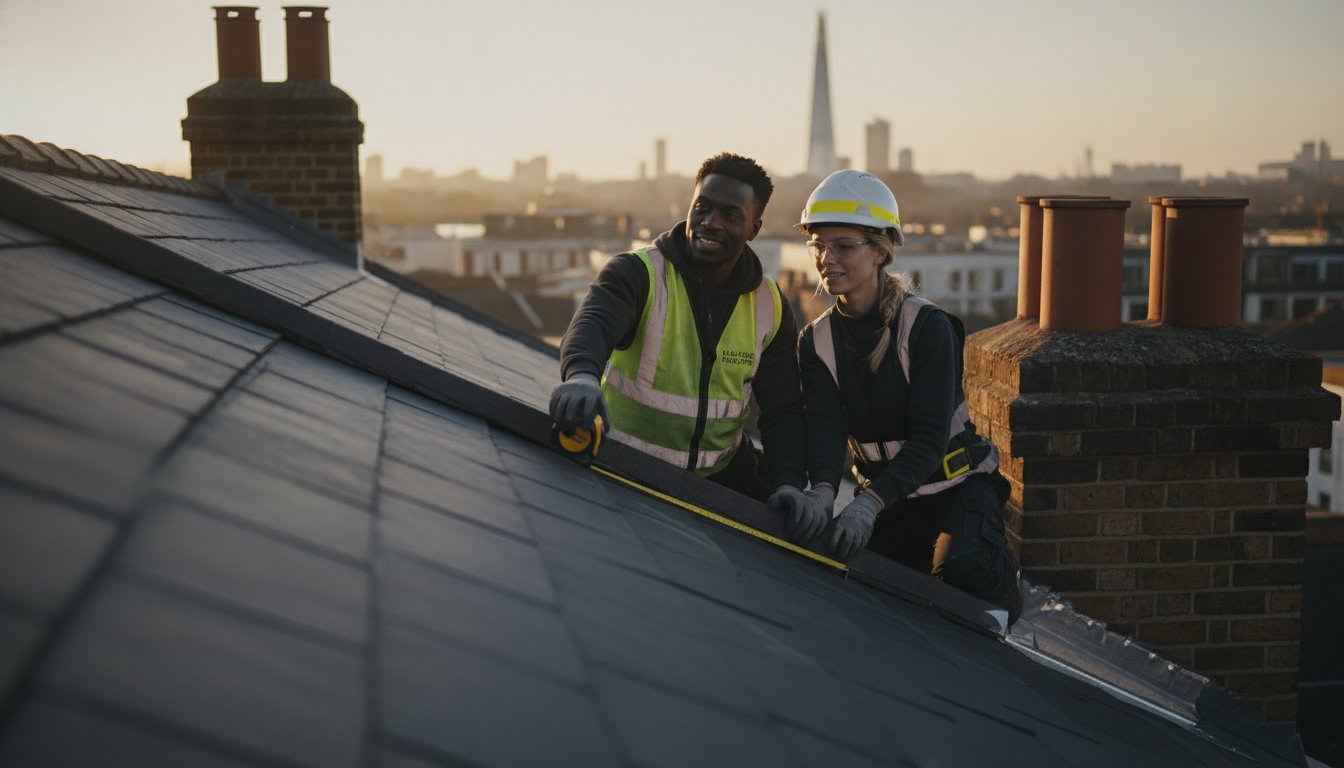
In the narrow, historic streets of East London, a Hackney roof replacement cost is often determined more by architectural heritage and urban access than by the volume of materials alone. If you’re managing a property here, you already understand that London’s high labour rates and the logistical complexity of erecting scaffolding on a busy public road make for a significant investment. It’s a stressful process, especially when you’re trying to balance modern durability with the strict conservation rules that define our local skyline.
This guide provides a transparent look at the variables that shape your total investment in 2026. We’ll help you navigate the latest Hackney Council planning requirements and compare materials to ensure you receive a fair, accurate quote. By the end of this article, you’ll have a clear understanding of material performance, the impact of the January 2026 Residential Extensions and Alterations SPD, and how to spot the hidden fees that often catch homeowners off guard. We’ve structured this breakdown to give you the confidence to choose the right materials and the right specialist for your home’s long-term protection.
Key Takeaways
- Understand how local logistics, such as narrow East London streets and red routes, influence the final Hackney roof replacement cost beyond simple material prices.
- Compare the long-term value and aesthetic suitability of natural slate, clay tiles, and modern flat roofing systems for Hackney’s diverse architectural styles.
- Learn how to account for essential administrative expenses, including pavement licences and Hackney Council scaffolding permits, to avoid budget overruns.
- Discover why a 10-15% contingency fund is vital for addressing unforeseen structural issues like timber rot or masonry deterioration during the replacement process.
- Identify the hallmarks of a professional, itemised quote to ensure you invest in high-quality craftsmanship that protects your property for decades.
Understanding Roof Replacement Costs in Hackney: Key Variables
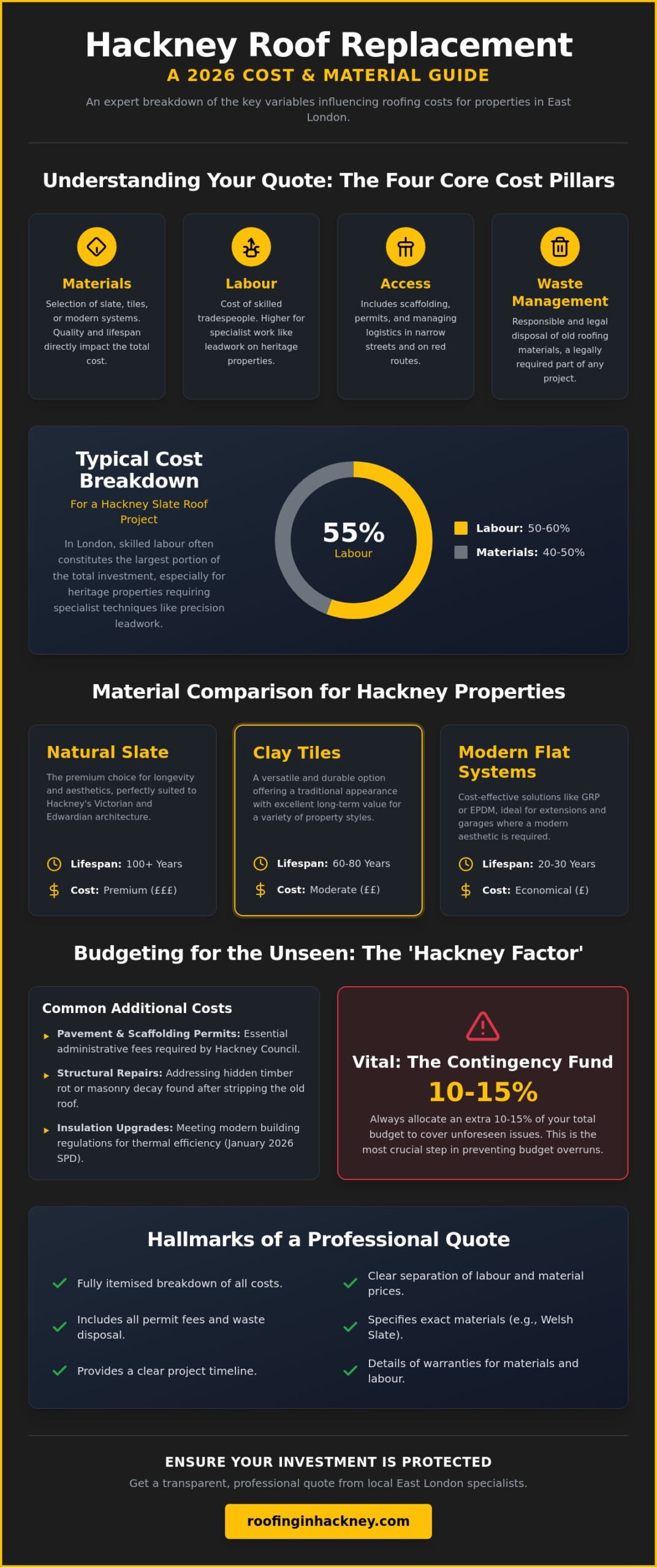
A Hackney roof replacement cost is rarely a single, static figure. Instead, it’s a composite of four distinct pillars: materials, labour, access, and waste management. In the context of East London, these elements are influenced by the unique architectural fabric of the borough. Hackney properties often sit at the higher end of the UK price spectrum. This isn’t arbitrary; it’s driven by the regional economic climate, the premium on skilled London labour, and the logistical hurdles of working in densely populated urban environments. When you invest in a new roof, you aren’t just buying tiles. You’re paying for a complex engineering project that ensures your home remains watertight for the next fifty years.
Primary cost drivers include the roof’s pitch, the total surface area, and the current structural condition. A steeper pitch requires more advanced safety equipment and increases the time spent on the roof. Similarly, the “Hackney roof replacement cost” for a sprawling Victorian terrace will differ significantly from a more compact modern semi-detached home. It’s also vital to distinguish between a “re-cover” and a full structural replacement. A re-cover involves stripping old materials and laying new ones, whereas a full replacement might involve significant timber work to meet 2026 building regulations. Understanding this distinction early helps prevent budget surprises later in the project.
Labour vs. Material Proportions
In London, labour typically accounts for a significant percentage of your quote. For complex slate roofing projects, labour often represents 50-60% of the total expenditure according to industry data from June 2026. This is because heritage properties in Hackney require specialist skills, such as precision leadwork and traditional slate cutting. These trades command higher day rates due to the technical proficiency required to preserve a building’s historical integrity. When selecting from the wide range of commercially available roofing materials, you must consider how each choice interacts with Hackney’s specific climate and building styles. Ultimately, employing a team with deep local expertise in Hackney architecture reduces long-term maintenance costs by ensuring the installation is technically sound from the outset.
The Impact of Structural Integrity
The condition of your rafters and joists is the most common source of “scope creep” during a project. Whilst a surface-level inspection might suggest a straightforward job, the removal of old tiles can reveal hidden timber rot or masonry deterioration. Replacing only the covering is more affordable than a full timber restructure, but ignoring structural decay is a false economy that leads to catastrophic failures. A professional survey is the only way to secure an accurate transactional quote that accounts for the actual state of the building’s skeleton. This methodical approach ensures that the foundation of your new roof is as durable as the materials protecting it. If you’re unsure whether your property’s existing structure warrants a repair or a complete overhaul, our guide to the five signs your Hackney home needs a full roof replacement can help you identify the critical structural warnings before commissioning any work.
Material Comparison: Slate, Tile, and Flat Roof Options
Material selection is a pivotal decision that balances immediate expenditure against long-term durability. In East London, where architectural character is highly valued, the material you choose directly impacts the Hackney roof replacement cost. Natural slate remains the gold standard for longevity, often lasting over a century, whilst man-made alternatives offer a reduced initial investment with a shorter lifecycle. Selecting the right material requires an understanding of your property’s structural capacity and the aesthetic requirements of your specific street scene.
Upgrading your insulation during the replacement process is another essential consideration. Modern building standards emphasize energy efficiency, and integrating high-performance thermal layers can significantly reduce heat loss. This not only aligns with the sustainability goals outlined in the Hackney Council planning guidance from January 2026 but also allows you to offset a portion of the project’s cost through long-term energy savings.
Traditional Slate and Leadwork
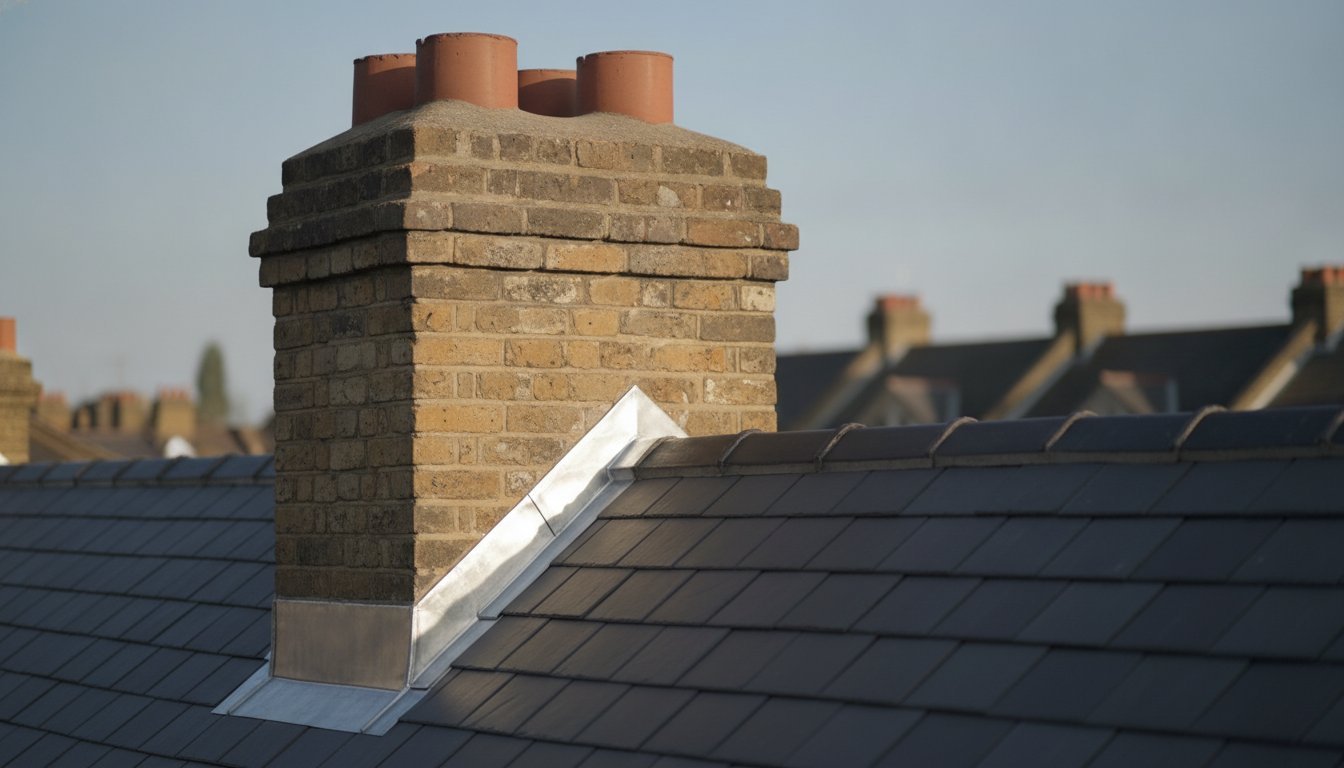
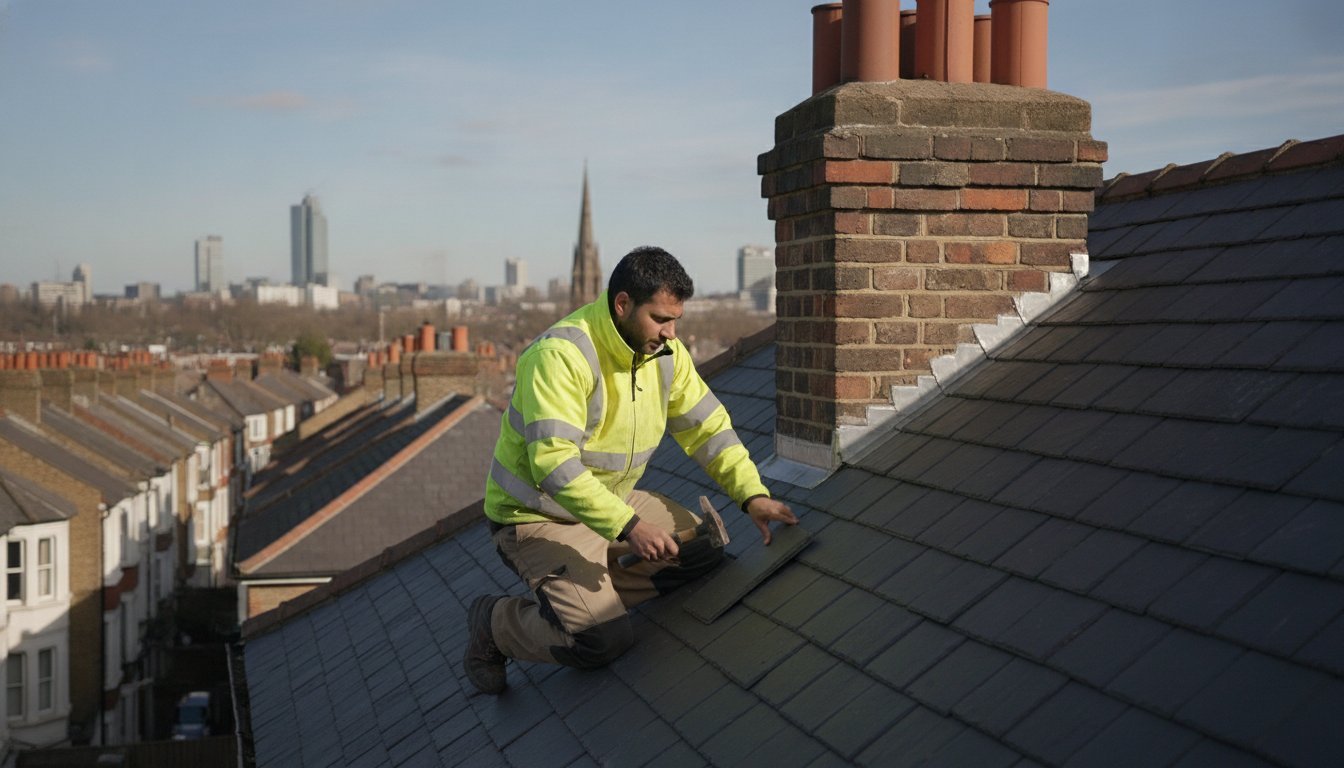
Slate is the quintessential choice for the Victorian and Edwardian terraces that define much of Hackney. Beyond its striking appearance, natural slate is exceptionally resistant to the UK’s varied weather conditions. When considering your options, natural Welsh slate represents the premium tier for both price and lifespan. Spanish and Brazilian slates serve as reliable, high-quality alternatives that provide a similar aesthetic at a more accessible price point. A significant variable in these projects is the precision leadwork required for valleys, chimneys, and abutments. Lead is a specialist material that demands expert handling to ensure a watertight seal, making it a critical component of any professional roofing quote for a heritage property.
Modern Flat Roofing Systems
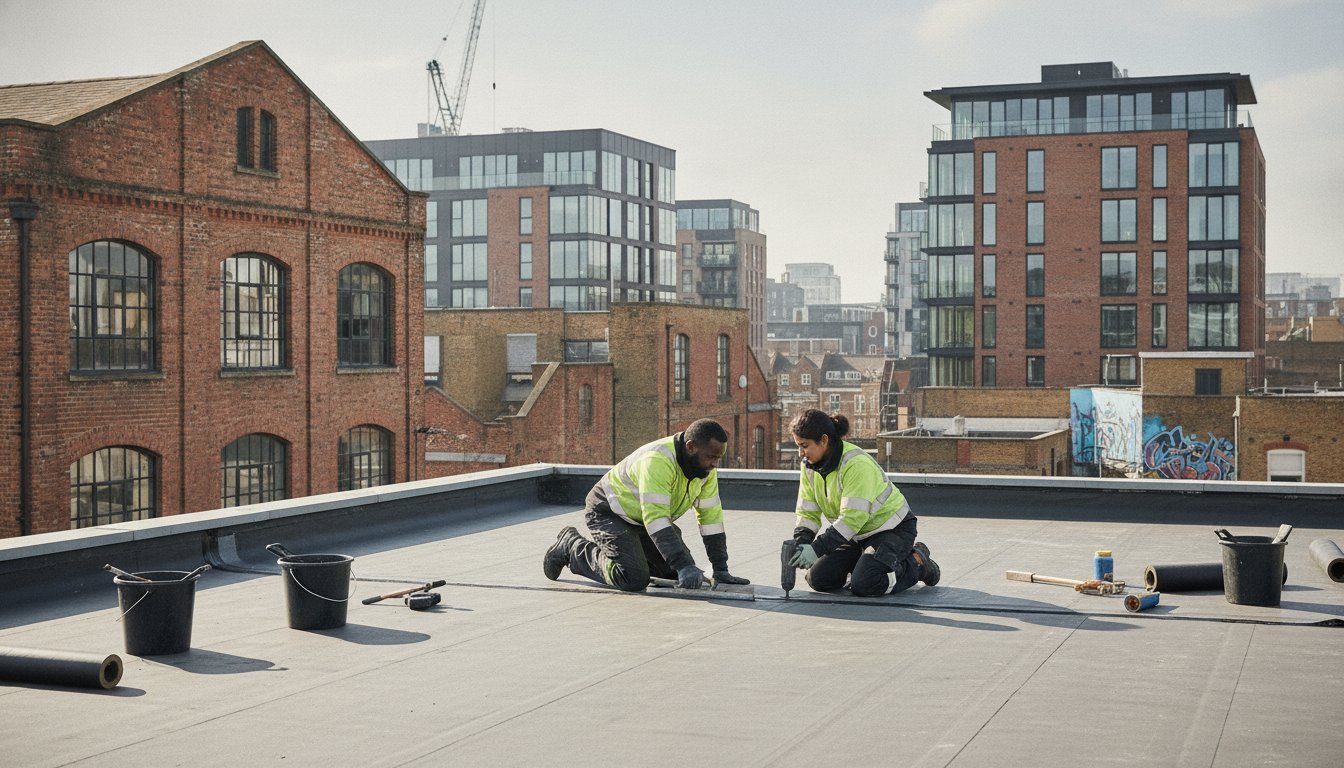
For modern extensions or contemporary residential blocks, modern flat roofing solutions like GRP (Glass Reinforced Plastic) and EPDM rubber have largely superseded traditional bitumen. These materials are favoured for their seamless finish and superior leak resistance. GRP is particularly durable and resistant to foot traffic, whilst EPDM offers incredible flexibility, allowing it to expand and contract with the building without cracking. Transitioning to a “warm roof” system during replacement is a strategic move. By installing insulation above the roof deck rather than between the joists, you eliminate cold spots and protect the timber structure from condensation. These modern systems are often faster to install than traditional felt, which can help manage the overall Hackney roof replacement cost by reducing time on-site.
Choosing between clay and concrete tiles also involves a weight-to-cost analysis. Clay tiles are prized for their natural colour and traditional feel but are often heavier and more expensive than concrete. Concrete tiles provide a versatile alternative, though their weight may require additional structural reinforcement on older rafters. If you’re unsure which material best suits your property’s heritage or structural needs, you can speak with our team for expert guidance on the most appropriate options for your home.
The Hackney Factor: Logistics and Property Type Impact
The urban geography of East London plays a decisive role in calculating a Hackney roof replacement cost. Unlike suburban projects where space is plentiful, roofing in this borough requires meticulous logistical planning. Narrow residential roads and primary arterial “red routes” create significant bottlenecks for material delivery and waste removal. If your property sits on a red route, restricted stopping times mean deliveries must be timed with precision, often requiring additional labour to offload materials quickly. At our core, we’ve developed a deep understanding of these local constraints, and you can learn more about our team’s experience in managing complex urban sites.
Administrative overheads are another factor unique to the borough. Hackney Council requires specific licences for any equipment placed on a public highway. A skip permit typically costs between £30 and £120, whilst a permit for scaffolding on a public road is approximately £140 per month. These aren’t optional extras; they’re essential legal requirements that ensure your project remains compliant. When you’re budgeting, these fees must be integrated into the initial quote to prevent unexpected financial strain during the build.
Victorian Terraces and Access Challenges
Tall Victorian terraces, common across areas like Dalston and Stoke Newington, present unique access challenges. Mid-terrace properties often require complex “bridging” scaffolding that spans the pavement or neighbouring frontages to reach the roofline safely. Handling shared chimney stacks also adds a layer of complexity. You’ll need to consider party wall agreements and ensure that leadwork is perfectly integrated with the adjoining property’s roof. When crane access is restricted by narrow street widths or overhead power lines, materials must be “hand-balled” to the roof level. This manual labour increases the time spent on-site, which naturally impacts the total labour bill.
Conservation Areas and Planning Constraints
A significant portion of Hackney is designated as a conservation area, often governed by Article 4 directions. The Residential Extensions and Alterations SPD, which came into effect in January 2026, mandates that any roof alteration must respect the original building fabric and surrounding street scene. This often dictates more expensive material choices, such as natural Welsh or Spanish slate, to satisfy heritage requirements. Failing to adhere to these rules can lead to costly enforcement actions. For this reason, partnering with a local roofing specialist who understands these specific planning nuances is vital. They’ll ensure your material selection and installation methods meet the council’s strict criteria, saving you from the stress of retrospective planning applications or heritage consultations.
Budgeting for Your New Roof: Hidden Costs to Consider
Effective budgeting requires looking beyond the price of tiles and labour. When calculating a Hackney roof replacement cost, it’s essential to include a contingency fund of typically 10 to 15 per cent. This financial buffer covers unforeseen structural issues, such as timber rot or crumbling masonry, which only become visible once the original covering is removed. Neglecting this part of the budget often leads to project delays or compromised finishes. You should also factor in administrative costs, such as Building Control notifications and pavement licences. Fortunately, current 2026 regulations allow for 0 per cent VAT on specific energy-efficiency upgrades like roof insulation. Combining your replacement with chimney repairs or guttering upgrades is another strategic move. It’s often more cost-effective to address these ancillary tasks whilst the scaffolding is already in place.
Waste Management and Skip Hire
Waste disposal is a significant expense in London. For a standard three-bedroom terrace, you’ll likely require at least two 8-yard skips to handle the old materials and packaging. In Hackney, an 8-yard skip ranges from £275 to £355, excluding the necessary council permits for public roads. If your street is particularly narrow or parking is restricted, a “wait-and-load” service can be a savvy alternative. This avoids the need for long-term skip permits and ensures the street remains clear, though it requires a well-organised team to load the vehicle quickly. Managing waste efficiently is a core part of controlling the total Hackney roof replacement cost.
Scaffolding and Safety Equipment
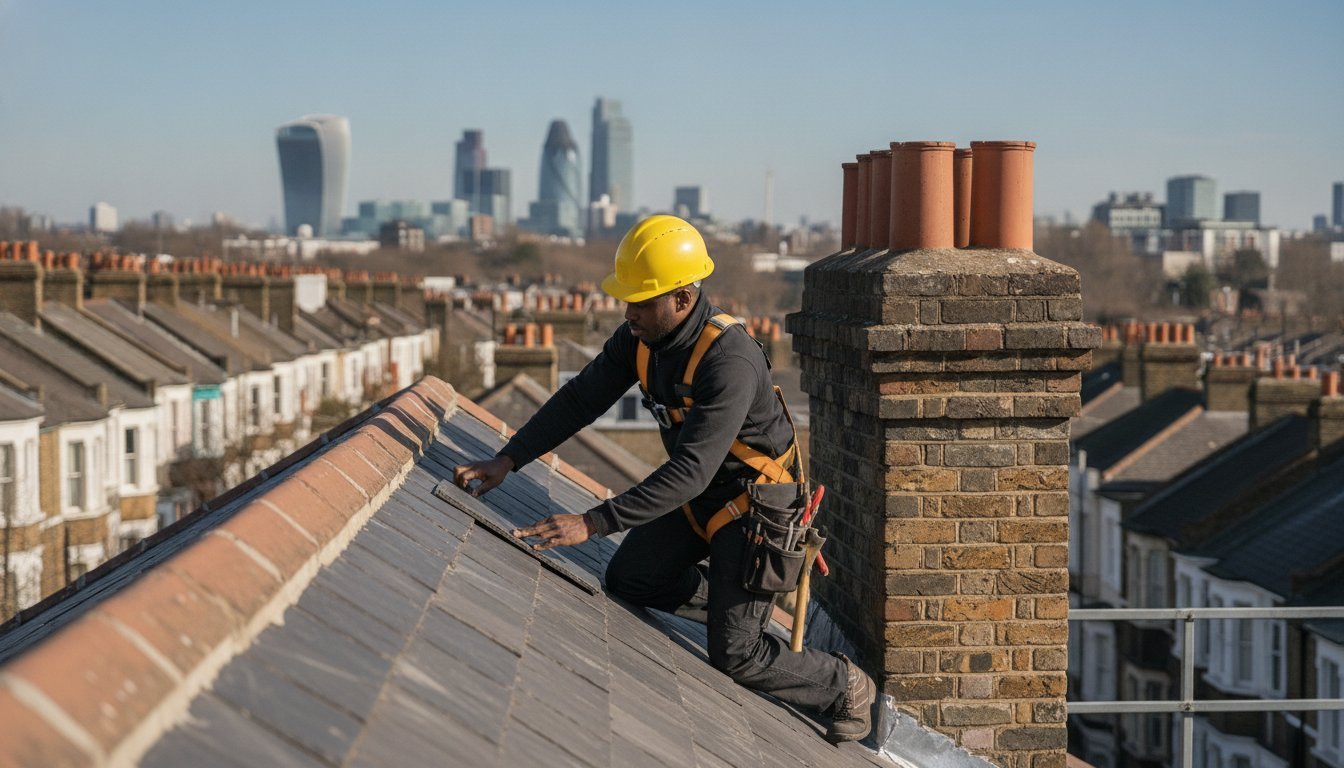
Scaffolding is a non-negotiable safety investment. For a typical two-storey semi-detached house in the borough, hire costs are approximately £875 per month. Beyond providing a safe platform for tradespeople, professional scaffolding prevents accidental damage to your property’s facade and windows. For larger commercial roofing projects, costs may increase to include edge protection or temporary roof coverings. These structures protect the building’s interior from the elements during the most vulnerable phases of the replacement. Properly installed scaffolding acts as a protective cage, ensuring that heavy materials don’t come into contact with your brickwork or window frames during transit. If you need a comprehensive breakdown of these variables, you can request a detailed quote that itemises every administrative and logistical fee.
Securing a Reliable Quote: Why Cheap Can Be Expensive
The lowest figure on a spreadsheet isn’t always the most economical choice for your property. When reviewing a Hackney roof replacement cost, homeowners often encounter the “cowboy roofer” trap. These contractors frequently under-quote by omitting essential safety equipment, using sub-standard materials, or lacking proper insurance. Whilst the initial saving feels significant, the long-term reality involves premature leaks and structural failures that require expensive remedial work. A professional estimate should reflect the true Hackney roof replacement cost by accounting for every logistical requirement and material grade from the outset. We pride ourselves on being the transparent choice for local homeowners, providing comprehensive investment plans that prioritise durability over temporary fixes. To learn more about the digital systems that help professional firms maintain these rigorous safety and environmental standards, you can visit Be-Safe Technologies Ltd and explore their award-winning EHS platforms.
A high-quality, professional quote must be fully itemised. It should clearly separate the costs for specific material volumes, labour allocations, scaffolding hire, and waste management permits. This level of detail allows you to conduct a like-for-like comparison between contractors and ensures that no hidden fees appear mid-project. Long-term peace of mind is further secured through insurance-backed warranties and comprehensive guarantees. These documents are vital in the East London market, protecting your investment against technical faults and giving you confidence in the craftsman’s proficiency.
Evaluating Roofing Contractors
Selecting the right specialist requires more than a cursory glance at a website. You should ask for local references and request to see previous slate or flat roof projects within the borough. Seeing a contractor’s work on a similar Victorian terrace or modern extension provides tangible proof of their technical standards. It’s also essential to verify trade accreditations and ensure their public liability insurance is sufficient for high-value London properties. Finding reliable roofers Hackney homeowners can genuinely trust means looking beyond star ratings to assess their understanding of local architectural demands and their ability to meet the 2026 thermal and heritage standards. To understand the full framework for vetting credentials and technical competency, our guide to choosing local roofing specialists in Hackney provides a detailed breakdown of what to look for when comparing contractors. If you’re ready to discuss your project with a team that understands the nuances of East London architecture, you can contact us for a detailed and transparent estimate.
Long-term Value vs. Initial Outlay
Calculating a realistic Hackney roof replacement cost requires a long-term perspective. A premium natural slate roof can last for 100 years, making its “cost per year” remarkably low compared to cheaper alternatives that may fail within two decades. Beyond longevity, a new roof significantly enhances the resale value of a Hackney property. In a competitive market, a certified, high-quality installation serves as a powerful selling point that reassures potential buyers of the building’s structural health. Furthermore, professional leadwork around chimneys and valleys prevents interior damp issues that are notoriously costly to rectify. Investing in precision craftsmanship today prevents the financial burden of constant repairs tomorrow.
Protecting Your Property with Confidence and Precision
We’ve explored how the Hackney roof replacement cost is shaped by the borough’s unique architectural heritage and the specific logistical demands of East London’s streets. From navigating the 2026 planning guidelines to selecting materials that offer a century of durability, a successful project relies on transparency and technical mastery. By accounting for essential permits and structural contingencies early, you can avoid the common pitfalls that lead to budget overruns or sub-standard finishes. Choosing a partner who understands these local variables is the most effective way to ensure your investment stands the test of time.
As specialists in traditional slate and heritage leadwork, we provide the East London expertise needed to protect your home. Our fully insured team delivers detailed, itemised quotes with no hidden surprises, ensuring your property remains a secure asset. We’re committed to the highest standards of craftsmanship and local reliability.
Request a Transparent Roof Replacement Quote for Your Hackney Property
Your roof is your home’s primary defence against the elements; getting it right today ensures peace of mind for decades to come. We look forward to helping you secure your property’s future.
Frequently Asked Questions
How much does a new roof cost for a 3-bedroom terrace in Hackney?
The total investment for a 3-bedroom terrace depends on the specific materials and structural needs of the building. Whilst UK averages for a new roof sit between £4,000 and £19,000, a Hackney roof replacement cost is typically at the upper end of this range. This is due to the premium on London labour and the administrative fees associated with urban skip and scaffolding permits.
Do I need planning permission for a roof replacement in East London?
Planning permission is often required in Hackney, particularly for properties within conservation areas. The borough’s Residential Extensions and Alterations SPD, effective from January 2026, provides the definitive rules for these alterations. Even “like-for-like” replacements may require formal approval if your home is under an Article 4 direction, so checking with the local planning department is essential before starting work.
How long does a full roof replacement usually take to complete?
A full roof replacement usually takes between 8 and 14 working days to complete. Factors such as the complexity of the chimney leadwork and the prevailing weather conditions can influence the final timeline. We prioritise a methodical workflow to ensure the building remains watertight and secure throughout every stage of the installation process, minimising disruption to your daily routine.
Can I stay in my house whilst the roof is being replaced?
Homeowners can typically remain in their residence whilst the work is carried out. Since the project is entirely external, your daily routine shouldn’t be significantly disrupted, although you should expect some noise and vibration during the day. We take great care to maintain a tidy site and ensure that access to your property remains safe and clear for the duration of the build.
Is it cheaper to repair a roof or replace it entirely?
Choosing between repair and replacement depends on the extent of the damage and the age of the existing materials. If more than a quarter of the roof requires attention, a full replacement is often the more economical long-term solution. Frequent, minor repairs are usually a sign that the underlying structure or covering has reached the end of its functional life and requires a permanent resolution.
Does Hackney Council require a permit for scaffolding on the pavement?
Yes, a specific pavement licence from Hackney Council is mandatory for any scaffolding erected on a public highway or footpath. The current monthly fee for this permit is approximately £140. Securing these permits is a vital part of calculating your total Hackney roof replacement cost, as unauthorised structures can result in significant fines and immediate project delays.
What is the best roofing material for a Victorian house in Hackney?
Natural slate is widely considered the superior choice for Victorian houses in the borough. It offers an authentic heritage appearance that aligns with local conservation requirements whilst providing exceptional durability. When installed by a specialist, a natural slate roof can protect a property for over a century, offering a far better return on investment than cheaper man-made alternatives.
Are there any grants for roof insulation in London in 2026?
In 2026, the primary financial incentive for London homeowners is the 0 per cent VAT rate on energy-efficiency upgrades, which includes roof insulation. This measure is designed to encourage sustainable home improvements and reduce carbon footprints. Whilst direct grants may be available through specific local council schemes, the VAT relief provides an immediate and substantial saving on your total project expenditure.