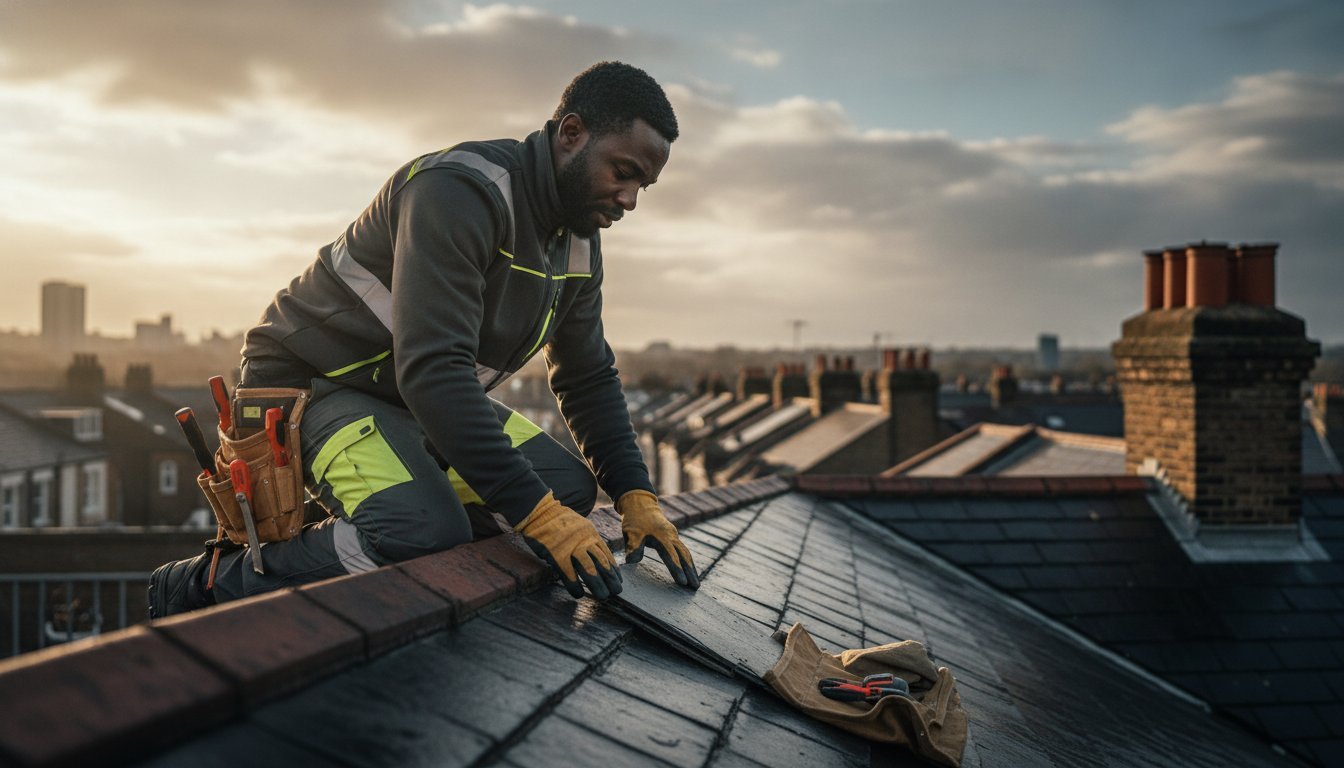
After a heavy downpour over London Fields, many homeowners discover that a single slipped slate has transformed into a cascading interior waterfall, leaving ceilings sagging and furniture at risk. When water breaches your home’s primary defence, finding a reliable emergency roofer Hackney residents trust becomes a race against the clock to prevent irreversible structural damage. It’s understandable to feel a sense of dread when faced with an active leak, especially whilst worrying about potential costs and whether a contractor truly understands the nuances of Hackney’s Victorian and period architecture.
You need more than just a quick fix; you need the peace of mind that comes from a professional, transparent assessment. This guide will show you exactly how to manage an urgent roofing failure, from immediate mitigation steps to securing a permanent, high-quality repair that restores your property’s integrity. We’ll explore the common causes of failure in local buildings, the latest 2026 safety regulations, and a structured approach to ensuring your home remains dry and secure for the long term.
Key Takeaways
- Learn how to distinguish between minor maintenance and a genuine roofing emergency that threatens your property’s structural integrity.
- Discover why Hackney’s Victorian terraces are prone to specific failures in lead valleys and slate coverings during extreme weather.
- Understand the essential safety steps to take whilst waiting for an emergency roofer Hackney specialist to arrive on-site.
- Follow our structured “make-safe” workflow that transitions from immediate water ingress cessation to a permanent, high-quality repair plan.
- Gain insights into navigating local conservation area regulations to ensure your emergency repairs meet all 2026 building safety standards.
Identifying a Roofing Emergency: When to Call for Urgent Help
A roofing emergency is rarely a quiet affair. It typically manifests as a sudden, disruptive breach that compromises your property’s primary line of defence. In the dense urban environment of East London, an emergency isn’t limited to what happens inside your home. It also includes any external failure that poses a risk to the public. When searching for an emergency roofer Hackney homeowners often confuse manageable maintenance with a genuine crisis. A true emergency is any failure that compromises the building’s envelope or safety, requiring immediate intervention to prevent escalating damage.
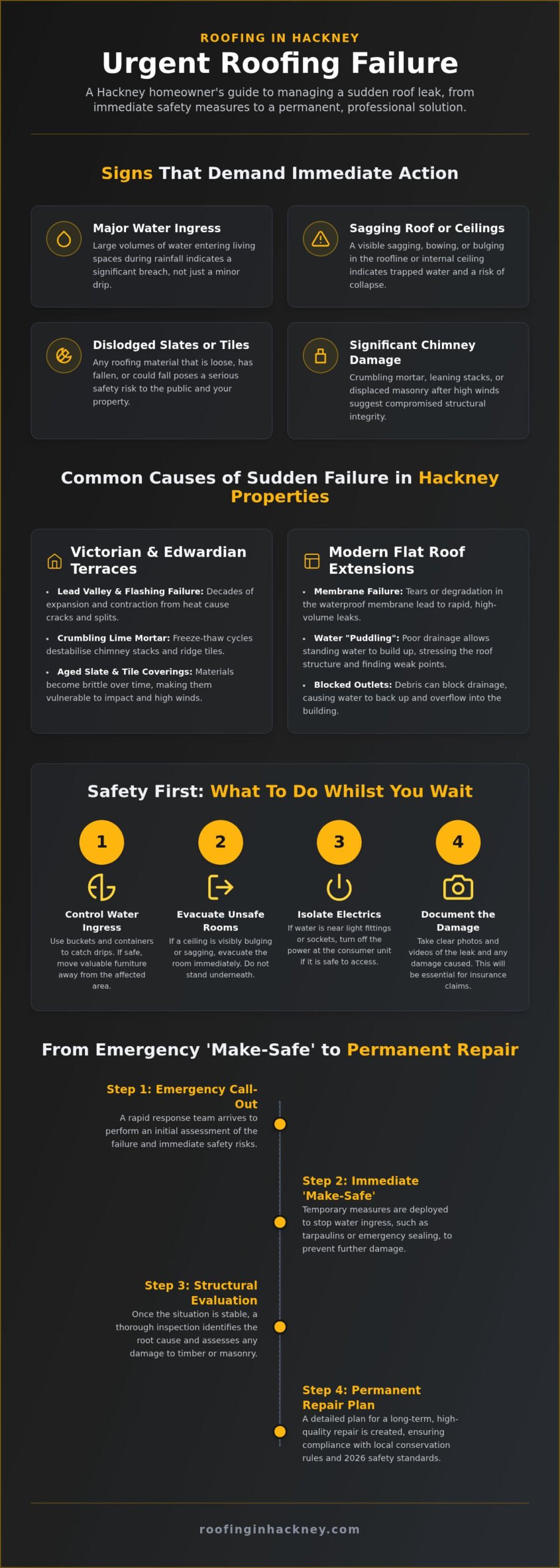
Major water ingress is the most common trigger for an urgent call-out. Whilst a small drip might seem like a minor nuisance, it often indicates a significant structural failure hidden from view. Water rarely takes a direct path; it travels along rafters and joists, saturating insulation and timber before appearing on your ceiling. Indicators that require immediate professional attention include:
- Visible sagging of the roofline or internal ceilings.
- Large volumes of water entering the living space during rainfall.
- Dislodged slates, tiles, or ridge caps that could fall.
- Significant damage to chimney stacks or lead valleys after high winds.
Securing an emergency roofer Hackney residents can rely on is particularly vital when loose slates or chimney pots threaten the safety of pedestrians on the busy streets below. Displaced masonry or sagging timbers after a storm suggest that the structural integrity of the roof is likely compromised, necessitating a rapid assessment.
The Triage Process: Assessing the Urgency
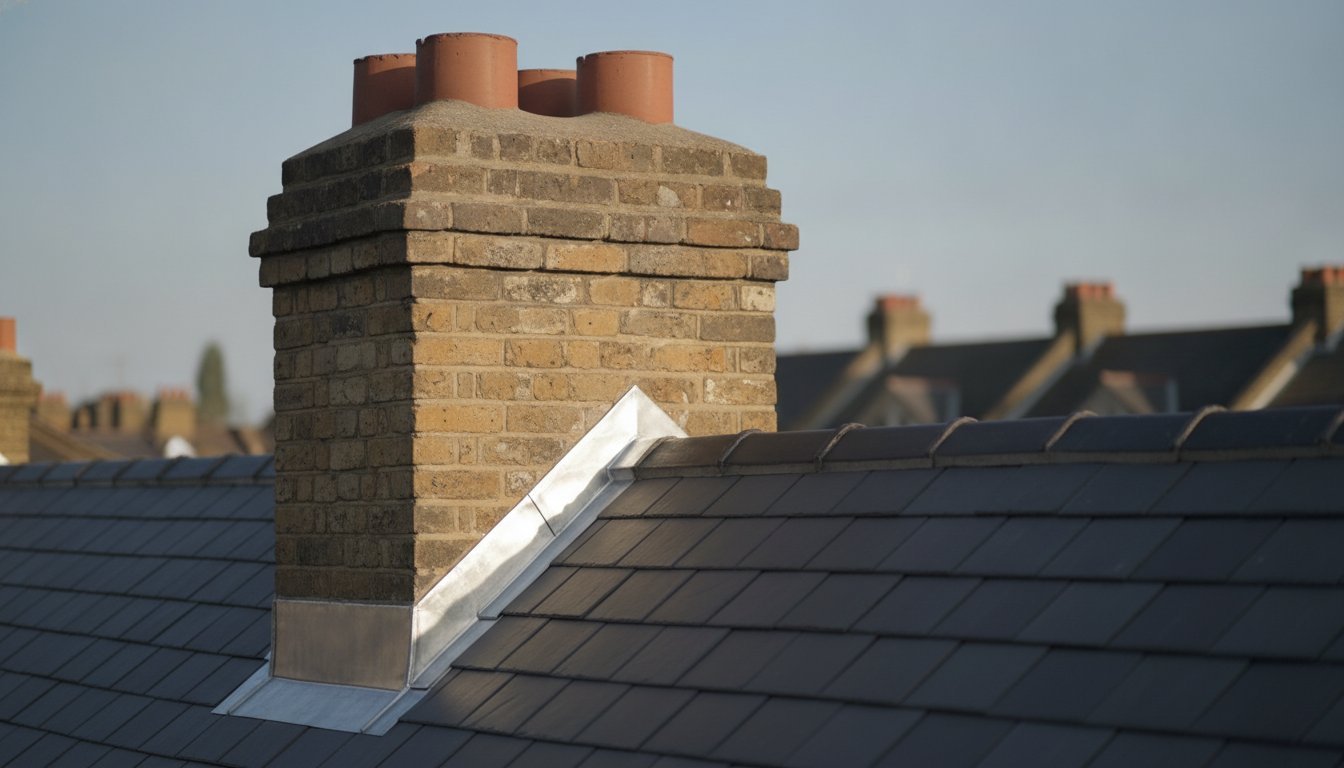
Differentiating between a cosmetic leak and an active structural threat is the first step in effective triage. Internal damp patches that appear slowly often signal a long-term issue that has finally reached a breaking point; however, a sudden deluge suggests a localised failure. A frequent culprit in period properties is improper or failed flashing around chimneys or valleys. When this weatherproofing fails, it allows high volumes of water to bypass the slate or tile covering entirely, leading to rapid saturation of the internal space and potential rot in the underlying timbers.
Safety First: When to Evacuate a Room
Your immediate priority must be the safety of the building’s occupants. If you observe a ceiling bulging or bowing under the weight of trapped water, you must evacuate the room immediately. This sign indicates an imminent risk of ceiling collapse. Electrical hazards represent another critical danger. If water enters light fittings or wall sockets, do not touch the switches. Instead, isolate the power at the consumer unit if it is safe to do so. If you are unsure of the danger, contact us for professional guidance. A roofing emergency is defined as any acute failure of the external covering that allows water to penetrate the building’s core, directly threatening the long-term integrity of the internal structural framework.
Common Causes of Sudden Roof Failure in Hackney Properties
Hackney’s skyline is defined by its Victorian and Edwardian terraces. These properties, whilst beautiful, present specific vulnerabilities as they age. A sudden failure often stems from a combination of historical material decay and contemporary weather patterns. According to UK Health and Safety Executive guidance, structural stability and weatherproofing are the two critical factors in maintaining a safe roof. In local properties, the failure of aged pargeting or the gradual crumbling of lime mortar in chimney stacks often leads to debris falling during high winds. These freeze-thaw cycles cause older brickwork to expand and contract, eventually destabilising the stack and requiring an emergency roofer Hackney homeowners can rely on to secure the masonry.
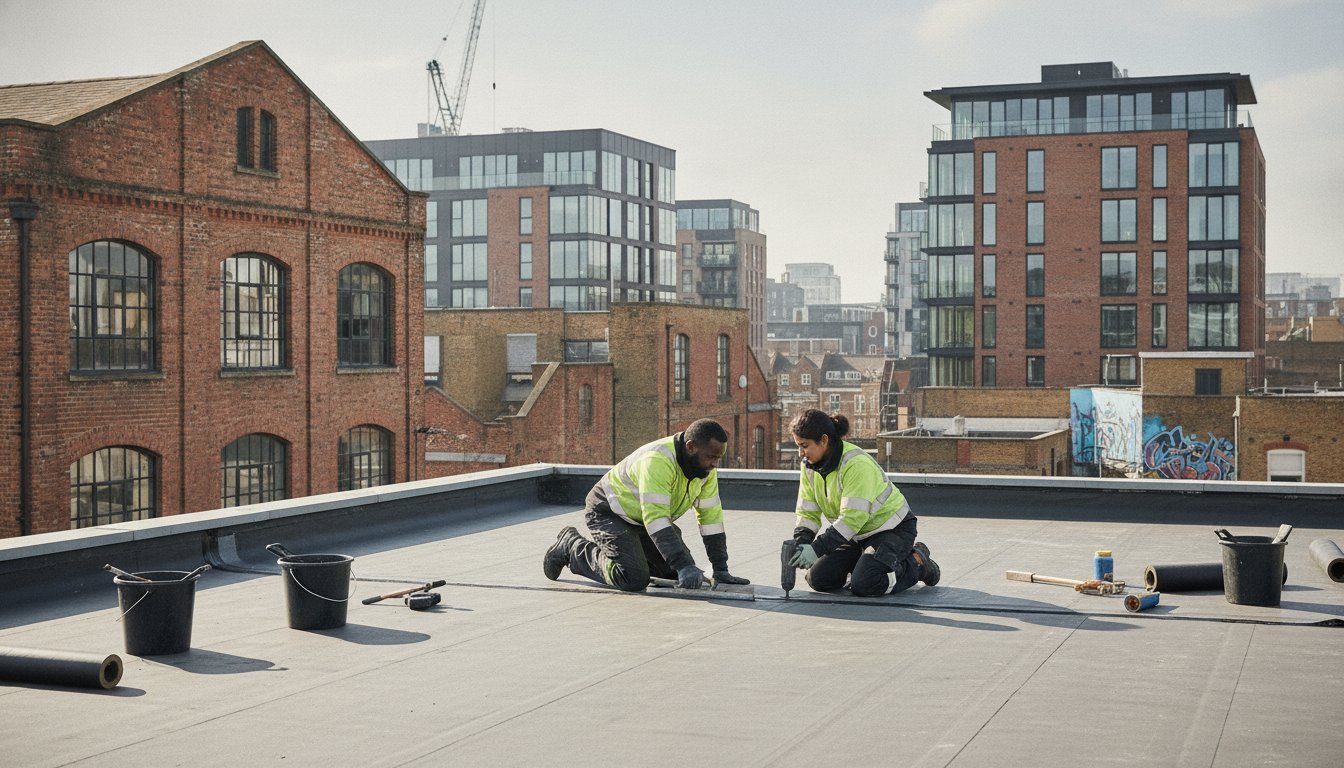
Many Hackney homes also feature modern rear extensions with flat roofs. These systems are prone to sudden membrane failure if water is allowed to “puddle” or pond. Once the membrane’s integrity is breached, water ingress is rapid and voluminous, often bypassing the internal ceiling structure entirely. Identifying these risks early can prevent a total failure during the next storm.
Leadwork and Valley Failures
The intricate junctions of Victorian rooflines rely heavily on lead to remain watertight. Over decades, lead valleys and flashings expand and contract with the sun’s heat, eventually developing hairline fractures or splits. These “stealth leaks” can remain unnoticed for months until a heavy storm forces water through the gaps. Securing expert leadwork Hackney specialists provide is the only way to ensure these complex junctions are correctly detailed. Poorly executed leadwork is a primary cause of recurring emergencies in heritage buildings, as water finds the path of least resistance through improper seals.
Slate and Tile Displacement
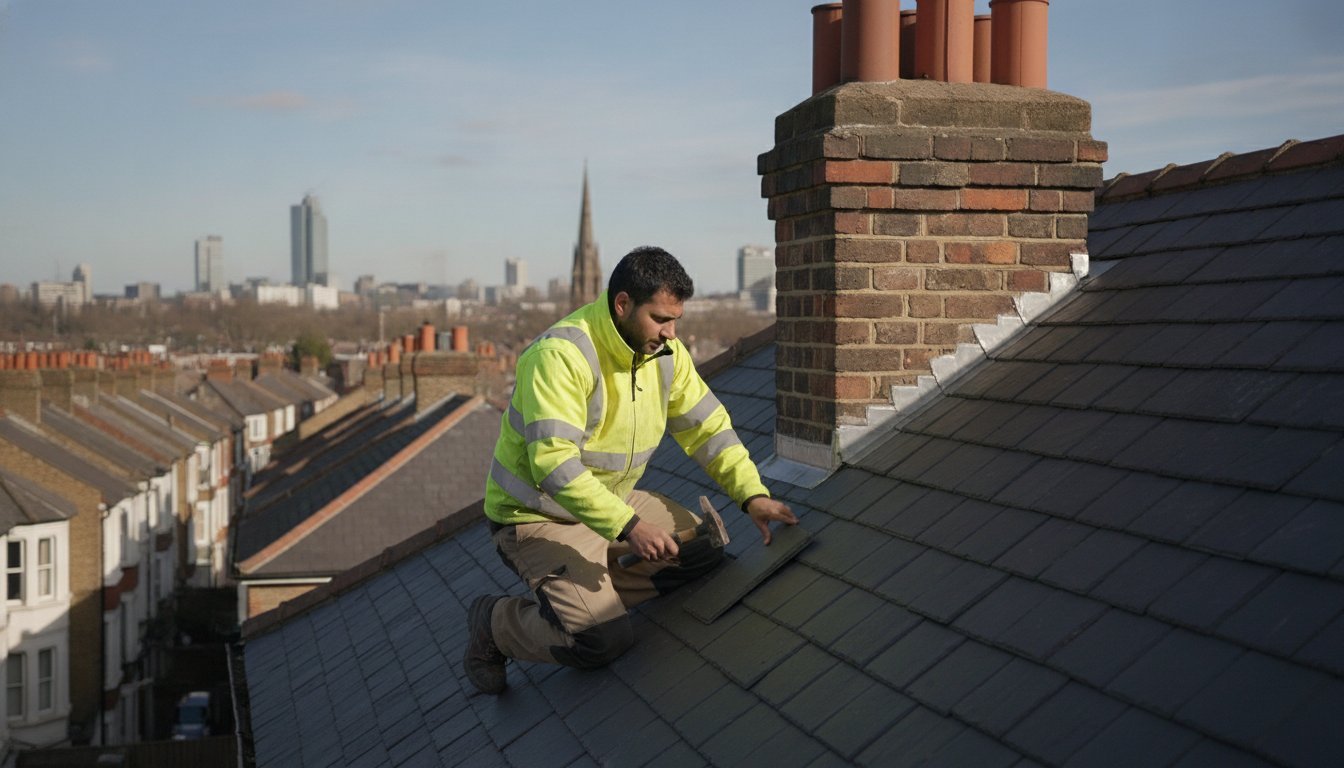
Traditional slate roofs in the area often suffer from “nail sickness.” This occurs when the original iron nails holding the slates in place rust through, allowing entire rows of slate to slide. A single missing slate creates a pocket for wind uplift, which can strip away large sections of the roof felt in a matter of minutes during a storm. This vulnerability is often exacerbated by previous low-quality repairs where mismatched tiles were used, creating uneven gaps that invite water penetration. Finding a reliable emergency roofer Hackney is essential when these period features fail, as they require specific technical knowledge to fix correctly. If you suspect your roof has suffered wind damage, it’s wise to request a professional inspection before the next rainfall.
The Emergency Repair Process: From Initial Assessment to Permanent Solution
When a crisis occurs, a professional response follows a clear, logical progression. It begins with immediate risk mitigation before moving toward a technical resolution. An emergency roofer Hackney specialist prioritises the cessation of water ingress above all else. This methodical approach ensures that whilst the initial panic is managed, the long-term structural health of your property remains the primary focus. We don’t just “patch and run”; we provide a structured pathway from chaos to a fully restored roof.
Step 1: Immediate Stabilisation
The first phase of any call-out is the “make-safe” procedure. This involves identifying the primary point of entry and applying high-grade temporary membranes or weighted tarpaulins to halt the flow of water. We prioritise the “wet zone” to prevent the saturation of electrical systems and internal finishes. In high-density areas of East London, securing loose materials like slipped slates is equally important to protect the public on the pavements below. Following guidance from the Red Cross on disaster cleanup, we also recommend the immediate removal of valuables and the drying of affected areas to mitigate secondary losses whilst the temporary seal is established.
Step 2: Technical Inspection and Quote
Once the building is watertight, a comprehensive damage assessment begins. This isn’t limited to the external covering. We inspect the loft space for signs of damp-weakened rafters and saturated insulation, which can lead to mould growth if left unaddressed. We then provide a transparent roofing quote in Hackney that outlines the necessary permanent works. Whether your property requires traditional slate roofing repairs or a modern flat roof membrane, our detailed reports provide the documentation required by insurance companies and property managers to justify the restoration costs.
Relying on a temporary patch for an extended period is a high-risk strategy. These seals are designed for short-term protection and lack the durability to withstand the variable London climate over several months. A permanent repair plan involves restoring the roof to its original specification, ensuring that technical standards like those outlined in the Building Safety Act 2022 are fully met. Our goal as an emergency roofer Hackney partner is to transition from immediate stabilisation to a point of total structural resolution, providing a clear roadmap for the long-term protection of your home’s envelope.
Protecting Your Home: Immediate Steps to Take Whilst Awaiting a Roofer
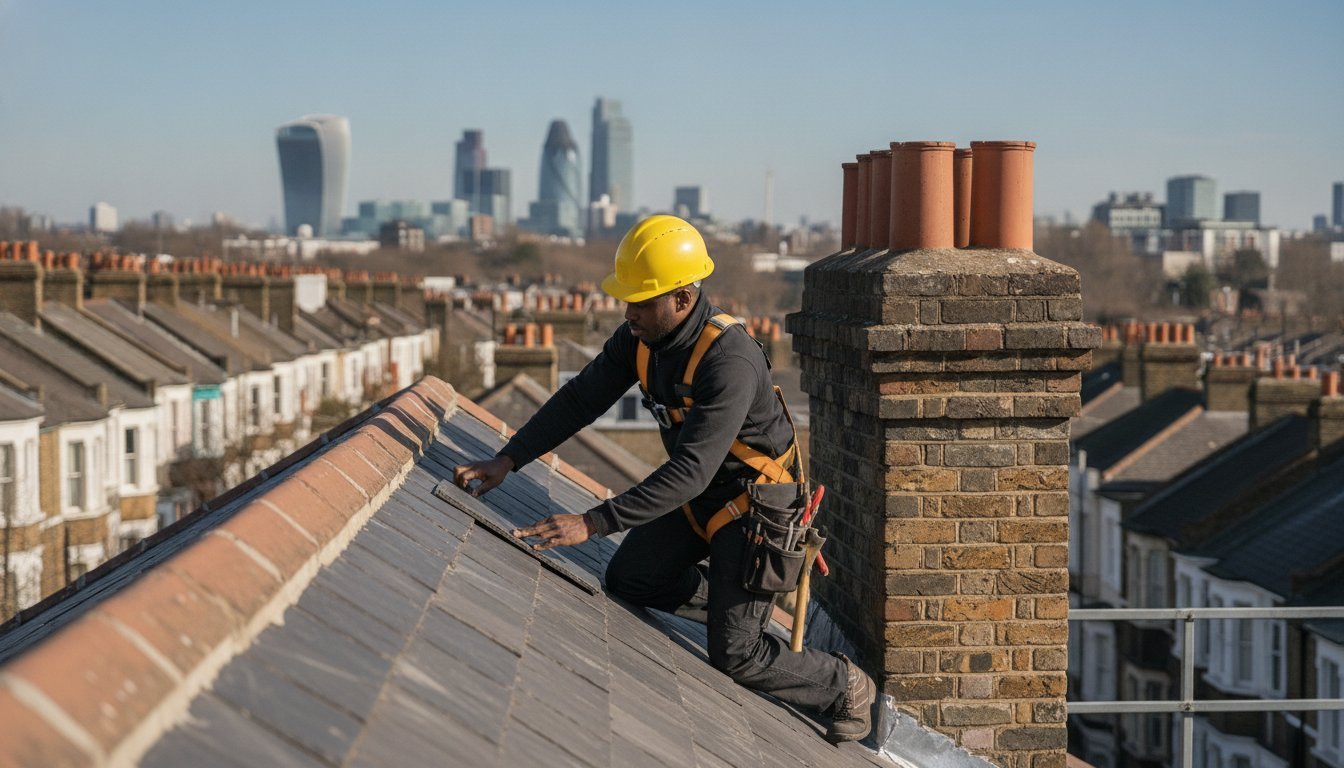
The interval between discovering a leak and the arrival of an emergency roofer Hackney specialist is a critical window for damage limitation. Whilst the instinct to act is strong, your primary focus must remain on internal safety and asset protection rather than attempting to fix the roof itself. Never attempt to climb a ladder or walk on a wet roof during a storm. Professional contractors have the specialised fall-arrest equipment and training to handle these heights safely. Your role is to manage the situation from inside the building envelope, ensuring that the eventual repair process is as smooth as possible.
Mitigating Interior Damage
Active water ingress requires immediate internal management to protect your property’s finishes. If you notice a ceiling bulging or bowing, it indicates that water is pooling behind the plasterboard. You can control this by using a small screwdriver or awl to carefully pierce the centre of the bulge. This allows the water to drain into a bucket in a controlled stream, preventing the weight from causing a sudden, large-scale ceiling collapse. Use plastic sheeting or heavy-duty bin bags to cover flooring and furniture that cannot be moved. If water is entering through light fittings or running down walls near sockets, you must isolate the electricity at the consumer unit. It’s safer to sit in the dark than to risk an electrical fire or a dangerous short circuit.
Documenting the situation is essential for future insurance claims. Take clear, well-lit photographs of the ingress point, the damaged internal areas, and any ruined possessions before you begin the cleanup. In Hackney’s dense urban landscape, communication with your neighbours is also vital. Because many Victorian terraces share chimney stacks and valley gutters, a leak in your property could be symptomatic of a failure on their side of the party wall. Early coordination can often lead to a more comprehensive and cost-effective repair for both parties.
Preparing for the Roofer’s Arrival
To ensure your emergency roofer Hackney contractor can begin work immediately, clear a path to the loft hatch and remove any items stored directly beneath the suspected leak area. Having quick access to the internal roof structure allows for a much faster technical survey. If you have maintenance records or warranty documents from previous roofing works, keep them to hand; this information helps the specialist understand the roof’s history and material composition. Finally, ensure that children and pets are moved to a separate room to keep them away from the work zone and any potential falling debris. If you are currently facing an active leak, contact our team for immediate assistance to secure your property.
Securing Your Hackney Property with Expert Emergency Roofing Services
Hackney’s architectural heritage is a source of pride, yet it demands a specific technical approach when things go wrong. With 29 designated conservation areas across the borough, property owners must ensure that even urgent work complies with local planning constraints. Choosing an emergency roofer Hackney homeowners can trust means selecting a partner who understands these nuances. Whether your home is a Grade II listed building or a modern apartment, the repair must respect the building’s fabric whilst providing a robust defence against the increasingly volatile London weather.
Specialist expertise in slate roofing Hackney properties require is not just about aesthetics; it’s about structural compatibility. Using the correct materials and traditional fixing methods prevents the recurring failures often seen with generic, low-quality patches. An emergency call-out also provides a natural opportunity to assess the overall efficiency of your roof. For instance, incorporating a thermal roof insulation upgrade during repair works can significantly improve your home’s energy performance, turning a stressful failure into a long-term investment in comfort and sustainability.
The Long-Term Benefit of Professional Repairs
The temptation to opt for the cheapest possible fix during a crisis is high, but these “cowboy” repairs often lead to greater expense later. A professional repair focuses on the root cause of the failure, using high-quality materials that enhance both property value and energy efficiency. Roofing in Hackney combines traditional leadwork skills with modern reliability to ensure every emergency repair meets the highest technical standards. By prioritising longevity over a temporary visual fix, you protect your home from the risk of secondary water damage and the associated costs of internal renovation.
Next Steps: Get Your Roof Secured Today
Securing your property shouldn’t be a complicated process. When you engage an emergency roofer Hackney specialist, a rapid response begins with a clear assessment of the damage and a transparent, itemised breakdown of the required works. This level of detail is essential for insurance purposes and ensures there are no hidden surprises during the restoration. Transparency and technical proficiency are the cornerstones of a reliable service. If your roof has been compromised, don’t delay the resolution. Contact our team today for an emergency roofing assessment to restore the integrity of your Hackney property and ensure it remains resilient for years to come.
Restoring Structural Integrity to Your Hackney Home
Securing your property against the elements requires a transition from immediate crisis management to a long-term structural solution. Identifying the signs of acute failure early and taking controlled steps to mitigate interior damage can significantly reduce the complexity of the final restoration. However, the unique challenges posed by Hackney’s Victorian terraces and heritage buildings mean that a generic patch is rarely sufficient. Finding a qualified emergency roofer Hackney residents can depend on ensures that traditional materials like slate and lead are handled with the technical precision they require.
Our local, independent team specialises in the intricate requirements of period properties, combining master craftsmanship with modern reliability to restore your home’s primary defence. Whether you are dealing with a sudden storm breach or a failing lead valley, we provide the expert assessment needed to secure your investment for the future. Your property’s resilience is our priority, and we are here to help you navigate the repair process with calm efficiency and technical authority.
Request an Urgent Roofing Assessment in Hackney
Frequently Asked Questions
How much does an emergency roofer in Hackney typically cost?
The cost of hiring an emergency roofer Hackney homeowners can rely on depends on the time of day and the complexity of the structural failure. Most call-outs involve an initial fee to cover the rapid assessment and “make-safe” procedures, followed by an hourly rate for the stabilisation work. Factors such as the height of the building and the need for specialised access equipment also influence the final investment required to secure the property.
How quickly can you respond to a roofing emergency in East London?
We prioritise rapid response times for all urgent enquiries within the Hackney area to prevent escalating water damage. As a local independent team, we aim to be on-site within a few hours to establish an initial seal and protect your property’s interior. Our deep familiarity with the borough’s road networks and period architecture allows us to reach homes in Dalston, Homerton, and London Fields with minimal delay.
Is a leaking roof always considered an emergency situation?
A leaking roof is considered an emergency if the volume of water ingress threatens the building’s structural integrity or poses a safety risk to occupants. Minor damp patches might only require a scheduled repair, but active leaks near electrical fittings or those causing ceilings to bow are critical. If the weatherproofing envelope is breached to the point of damaging internal finishes, it requires immediate professional intervention to stop the flow.
Can you help with insurance claims for storm damage to my roof?
We provide comprehensive technical documentation to support your insurance claims following storm damage or accidental failure. Our specialists produce detailed reports that include high-resolution photographs of the ingress point and an itemised breakdown of the required restoration works. This clear evidence helps loss adjusters understand the cause of the failure, such as wind uplift or impact damage, ensuring your claim is processed with accurate technical data.
Will you provide a temporary fix or a permanent repair during the first visit?
The primary objective of the initial visit is to stabilise the roof and prevent further interior damage through “make-safe” procedures. Whilst we aim to complete a permanent repair immediately, complex issues involving traditional slate or leadwork often require a follow-up visit to ensure high-quality craftsmanship. This structured approach ensures your home is watertight in the short term whilst allowing for a durable, long-term restoration that meets 2026 building standards.
What should I do if my ceiling is bulging with water?
You should evacuate the room immediately if you notice a ceiling bulging, as this indicates a significant weight of water and a risk of collapse. If it is safe to do so, you can use a small tool to carefully pierce the centre of the bulge, allowing the water to drain into a bucket. This controlled release reduces the pressure on the plasterboard whilst you wait for your emergency roofer Hackney specialist to arrive.
Do you handle emergency repairs for commercial properties in Hackney?
Yes, we provide expert emergency roofing services for a variety of commercial properties, including retail units and warehouses. We understand that a roof failure can cause significant business interruption and damage to stock, so we prioritise rapid stabilisation to keep your operations running. Our team is experienced in handling larger roof spans and modern membrane systems, ensuring that your commercial building remains secure and compliant with safety regulations.
Can an emergency roofer work in heavy rain or high winds?
Safety is our absolute priority, and we must adhere to strict guidelines regarding working at height during extreme weather. Whilst we cannot perform permanent repairs during a heavy downpour or high winds, we can often implement “make-safe” measures to mitigate the worst of the ingress. Once the weather conditions stabilise and it is safe to access the roof, we return to conduct a full technical survey and complete the final restoration.