Did you know that as of 2024, nearly 180,000 homes in London were found to contain “Category 1 hazards,” with damp and mould being amongst the most frequent structural threats? If you’ve noticed moisture in your attic, your mind likely jumps to the worst-case scenario: structural timber rot and the daunting task of finding a reliable local roofer. It’s a stressful situation that leaves many Hackney homeowners feeling uncertain about whether they’re facing a minor ventilation issue or a significant damp in loft from roof leak.
We understand that your home is your most valuable asset, especially when dealing with the specific requirements of London’s period properties. You deserve a solution that prioritises technical proficiency and long-term value. In this article, you’ll learn how to accurately distinguish between internal condensation and external water ingress, whilst discovering the professional leadwork and slate roofing strategies needed to protect your property. We’ll provide a clear, methodical breakdown of how to identify the source of the moisture and the specific master craftsman techniques required to restore your roof’s integrity.
Key Takeaways
- Learn how to use the ‘Rain Test’ to determine if your moisture issue is a simple ventilation problem or a more serious case of damp in loft from roof leak.
- Discover why slipped slates and failing lead flashing at chimney junctions are the primary causes of water ingress in Hackney’s period terraces.
- Understand the critical differences between wet and dry rot to prevent permanent biological threats to your home’s structural roof timbers.
- Get step-by-step guidance on safely containing an active leak whilst learning why specialist detection is essential for a durable, long-term repair.
Is it a Roof Leak or Just Condensation? Identifying Damp in Your Loft
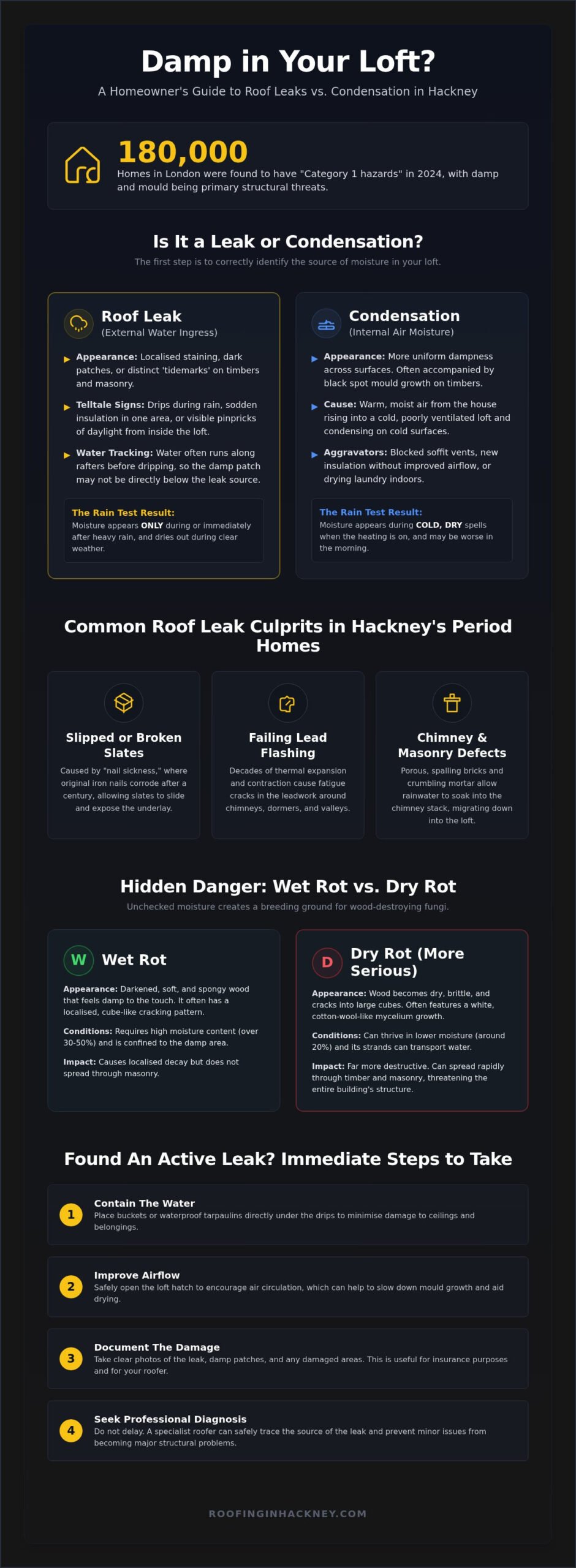
Distinguishing between internal moisture and external water ingress is the first step in protecting your Hackney home’s structure. A common mistake is assuming every wet patch is a damp in loft from roof leak, yet serious condensation actually affects around 3% of English dwellings. To find the truth, you should perform a ‘Rain Test’. If your loft timbers only become wet during heavy downpours, you’re likely dealing with a breach in the roof covering. Conversely, if moisture appears during cold, dry spells, it’s often the result of warm air from your living space hitting the cold underside of the roof.
Penetrating damp usually presents as localised staining or distinct ‘tidemarks’ on the masonry or rafters. In contrast, condensation is typically more uniform, often accompanied by black spot mould growth across the timbers. Modern living habits in older London homes, such as drying laundry indoors or using high-moisture appliances without adequate extraction, significantly increase the risk of structural dampness by forcing humid air into the unheated loft space.
Spotting the Signs of a Fresh Roof Leak
Water is deceptive; it rarely drops straight down. It often ‘tracks’ along the rafters or joists before pooling in a different area. When inspecting the loft, look for these tell-tale streaks or discoloured lines. Turn off all lights during the day and look for pinpricks of daylight peeking through the slate or tile covering. Finally, check your insulation. If it feels heavy and sodden in one specific area, it’s almost certainly a direct leak from above rather than a general humidity issue.
Understanding Loft Condensation and Ventilation
Condensation occurs when moist air is trapped without an escape route. This often happens because of blocked soffit vents or a lack of breathable tile vents. In Victorian properties, we frequently see issues when homeowners install new insulation without considering airflow. Whilst the 2026 Future Homes Standard requires high-performance insulation to meet strict U-values, sealing a loft too tightly without improving ventilation creates a stagnant environment. This imbalance is a primary cause of moisture issues that mimic a damp in loft from roof leak, especially in ‘cold roof’ setups where the insulation sits on the loft floor.
Common Culprits: Why Your Hackney Roof is Letting in Water
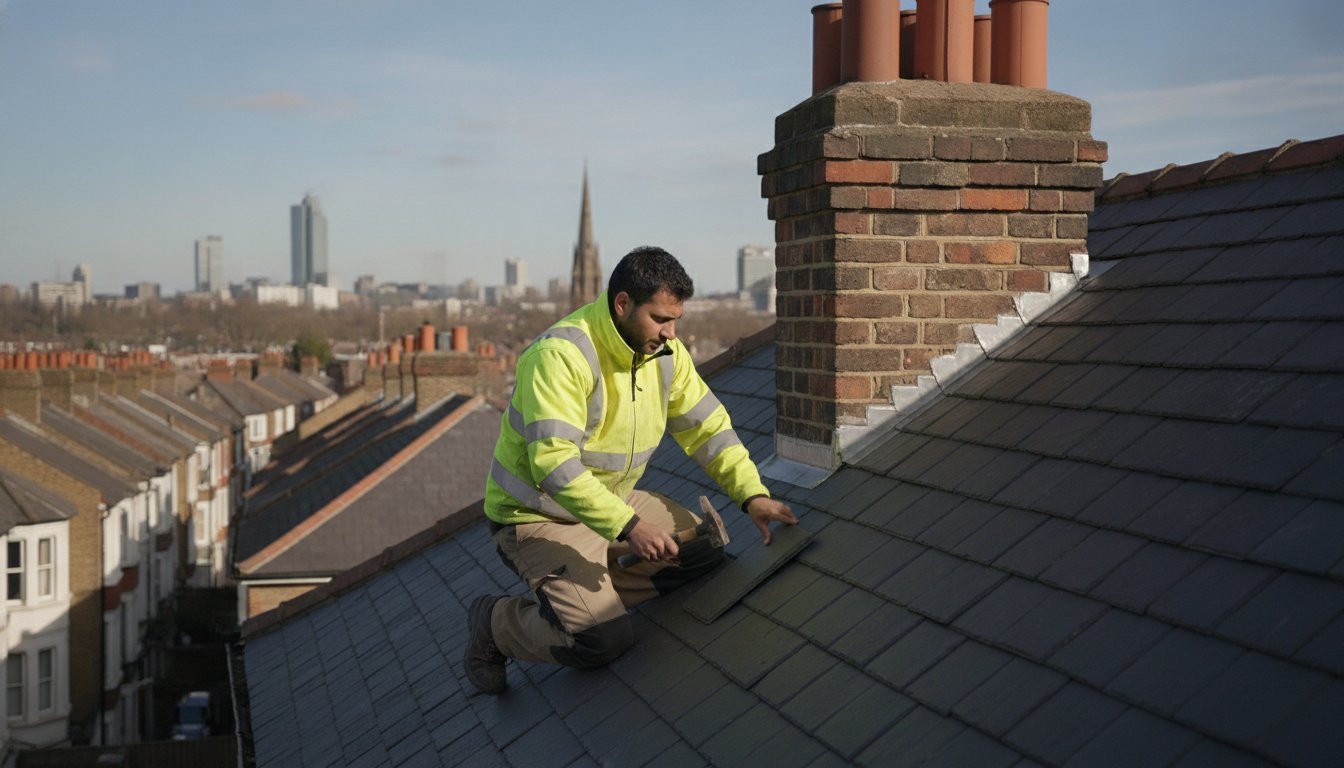
Hackney’s Victorian and Edwardian architecture presents unique challenges that modern roofing guides often overlook. Identifying a damp in loft from roof leak requires a nuanced understanding of these heritage materials and how they age in the London climate. In the borough’s iconic terraces, slipped or broken slates are the most frequent cause of water ingress. This is often driven by “nail sickness,” a process where the original iron nails used to secure the slates corrode over a century of service. As these fixings perish, slates slide out of position, leaving the sub-structure exposed to the elements. You might also observe delamination, where the slate begins to flake and absorb moisture rather than shedding it. For a deeper look at protecting these historic materials, our guide to slate roofing Hackney offers detailed heritage repair advice.
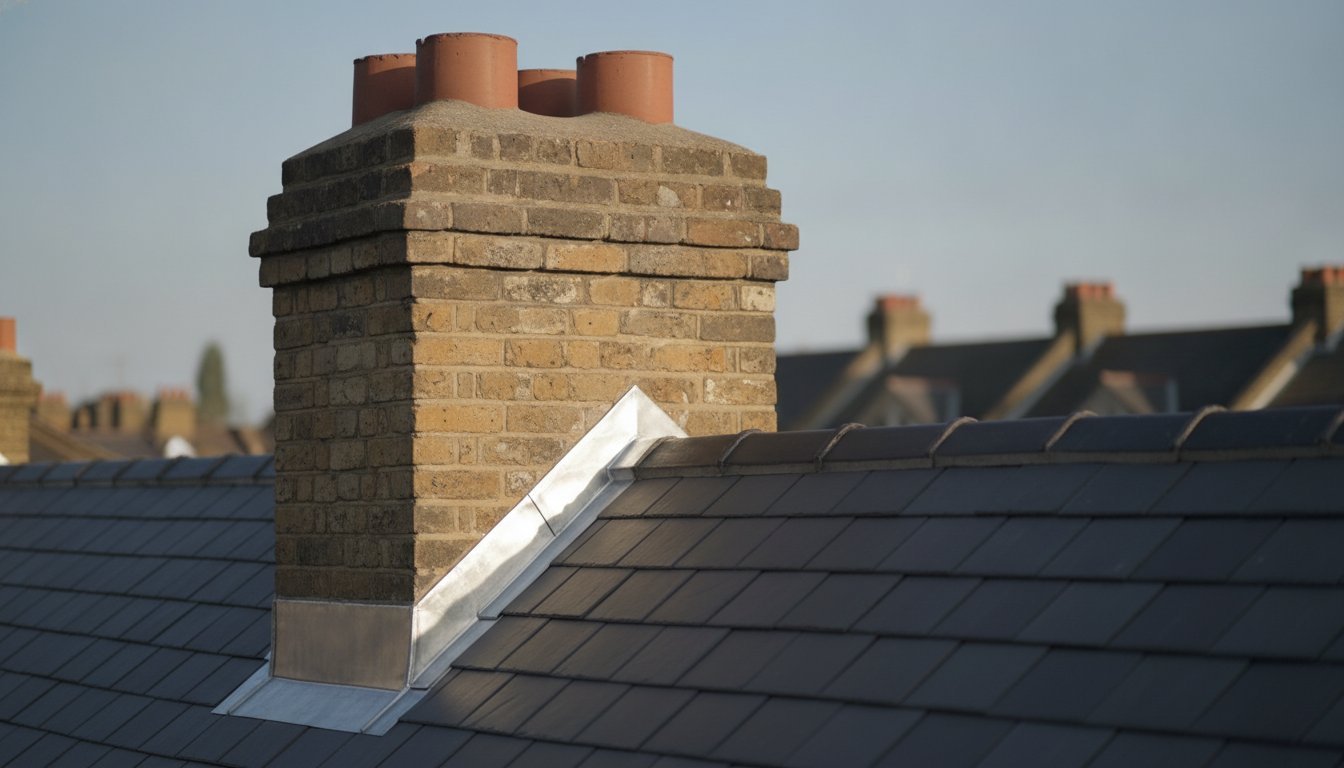
Lead flashing is the critical component for waterproofing junctions around chimneys, dormers, and parapet walls. Lead is a reactive material that naturally expands and contracts with temperature fluctuations. Over several decades, this constant movement leads to fatigue, resulting in stress cracks and splits that allow water to seep through. If your loft dampness is concentrated around a chimney breast or a valley, failing leadwork is the likely culprit. Debris build-up in lead valleys is another common issue; when leaves and silt from overhanging trees block these channels, water can back up under the slates during heavy rain. Precision leadwork requires a specialist’s touch to ensure the material is fitted with enough “play” to move without cracking.
Chimney Stack and Repointing Issues
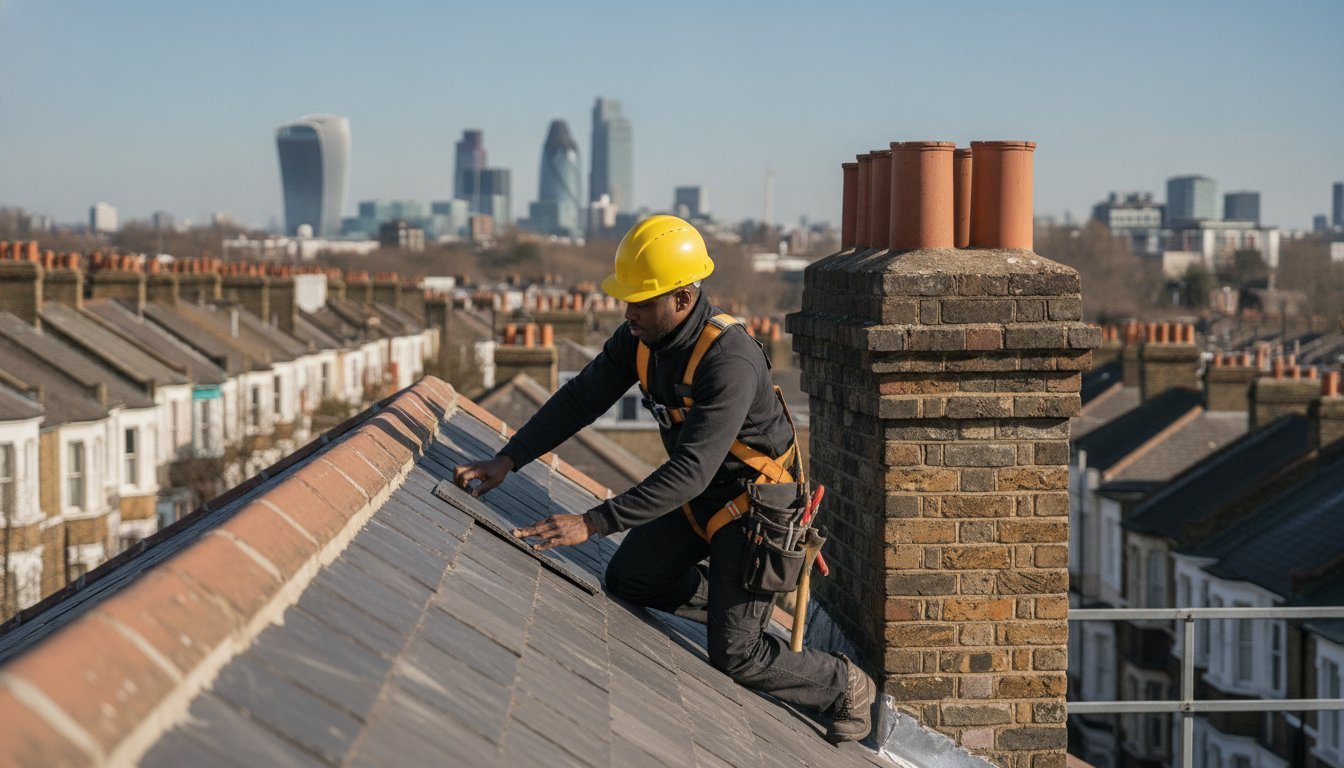
Hackney’s period chimneys are frequently overlooked sources of moisture that can mimic a damp in loft from roof leak. Aged mortar and “spalling” bricks, where the brick face flakes away due to freeze-thaw cycles, allow rainwater to soak directly into the masonry. This moisture then migrates downwards through the stack, appearing as damp patches on the internal loft walls. Chimney haunching is the sloped mortar at the top of the stack designed to shed water away from the chimney pots, preventing ingress. If this haunching or the chimney crown is cracked, water will find its way into the loft space. Professional repointing and crown repairs are essential to restore the stack’s integrity and stop damp at the source.
Even if your slates appear intact, a degraded roofing felt can cause significant issues. Older bitumen felts eventually become brittle and tear, losing their ability to act as a secondary line of defence against wind-blown rain. When this barrier fails, even minor tile misalignments can lead to persistent moisture problems. If you are concerned about the state of your roof’s components, you can request a professional inspection to identify the exact cause of your damp issues before the damage becomes a structural liability.
The Hidden Dangers of Ignoring Loft Damp and Moisture
Leaving a damp in loft from roof leak unaddressed is a gamble with your property’s structural health. Whilst the initial signs might appear as nothing more than a faint watermark, the internal environment of a loft, often dark and poorly ventilated, accelerates the degradation of building materials. Beyond the obvious aesthetic damage, persistent moisture introduces biological hazards and efficiency losses that can compromise the safety and comfort of your entire home. In London, where damp and mould are amongst the most common Category 1 housing hazards, the transition from a minor repair to a major structural intervention can happen surprisingly quickly.
Structural Timber Decay and Rot
The rafters and joists that form the skeleton of your roof are highly susceptible to moisture-induced decay. When the moisture content of these timbers exceeds 20%, it triggers the germination of fungal spores. You might notice the wood becoming ‘spongy’ to the touch or observe visible white fungal strands spreading across the grain. This is the hallmark of wet rot, which, if left to fester, can weaken the wood’s load-bearing capacity. Replacing structural rafters is a complex, labour-intensive process that far exceeds the cost of a simple slate or leadwork repair. Taking action early prevents the need for the heavy-duty timber reinforcement that follows a period of prolonged neglect.
Compromised Roof Insulation and Energy Efficiency
Many Hackney homeowners have invested in modern insulation to combat rising energy costs, but these upgrades are highly vulnerable to water ingress. Materials like mineral wool or cellulose are designed to trap air; however, when they become damp, they lose nearly all thermal resistance. A sodden insulation layer acts as a thermal bridge, pulling heat out of your home rather than keeping it in. In East London’s cooler months, this leads to a noticeable spike in heating bills as your boiler works harder to compensate for the lost U-value. If your insulation has been compromised, you may need to consider thermal roof insulation upgrades to restore your home’s efficiency and meet current building regulations.
Finally, we must consider the health implications. Mould spores from a damp loft don’t stay contained; they circulate through the property via ceiling gaps and light fixings. For residents with respiratory conditions, this airborne moisture is a significant risk. A small leak today is a manageable fix, but ignoring it ensures that a full roof replacement and extensive mould remediation will eventually become unavoidable.
Immediate Steps to Take When You Discover a Loft Leak
Discovering a damp in loft from roof leak during a heavy London downpour is a high-stress moment that requires a calm, methodical response. Your primary objective is to prevent moisture from migrating through the ceiling and damaging the living spaces below. Whilst the instinct might be to climb onto the roof yourself, the safest and most effective actions take place from within the attic space. Taking the right steps now will protect your home’s structural integrity and simplify the eventual professional repair process.
Containment and Damage Limitation
The first priority is to catch the water before it saturates the plasterboard. Place a bucket or heavy-duty plastic container directly under the drip. If you find that water is tracking along a rafter or joist rather than dripping from a single point, you can use a clever master craftsman trick: tie a piece of string around the damp timber and let the end dangle into your bucket. The water will follow the string, guiding the flow safely into the container. Clear any stored items, cardboard boxes, or seasonal decorations away from the damp area immediately. Ensure the loft remains as ventilated as possible by keeping the hatch slightly ajar, which encourages airflow and helps to mitigate the risk of mould growth whilst you wait for a specialist.
Safe Inspection and Documentation
Safety is paramount when inspecting a loft. Never step directly onto the plasterboard between the joists, as it cannot support your weight and will lead to a dangerous ceiling collapse. Use a powerful torch to identify the entry point from a safe distance. Take clear, high-resolution photographs of the wet timbers, the saturated insulation, and the external roofline from ground level. This documentation is essential for insurance purposes and provides your roofer with a clear briefing before they even arrive. Avoid the temptation to use ‘DIY’ bitumen sprays or temporary sealants found in hardware stores. These products are often incompatible with heritage slates and leadwork, frequently trapping moisture against the wood and making a permanent, professional repair far more difficult and expensive to execute.
When to Call a Professional Roofing Contractor
You must treat any leak near light fittings, solar inverters, or electrical cables as an emergency. In these cases, turn off the power at the consumer unit and seek professional help immediately. A professional survey is essential for insurance claims, as a specialist can identify hidden structural decay that a homeowner might miss. When you contact a local roofing specialist, be prepared to describe the exact location of the damp and whether the ingress is constant or only occurs during specific wind directions. This level of detail allows the roofer to arrive with the correct materials and provide a precise, transparent quote for the restoration of your Hackney home.
Professional Solutions for Damp and Leaky Roofs in Hackney
Resolving a damp in loft from roof leak requires more than a simple patch repair; it demands a comprehensive understanding of how heritage materials interact with modern building standards. Expert leak detection is the foundation of our process. Whilst a wet patch on a ceiling provides a starting point, our specialists use decades of experience to trace moisture back to its true source, which is often several metres away from where the damp manifests. We prioritise a methodical approach that identifies failing components before they lead to the structural timber decay discussed earlier in this guide.
Professional craftsmanship is a significant structural investment. By choosing high-quality materials and precise installation techniques, you ensure the longevity of your home’s primary defence against the London weather. We focus on delivering long-term peace of mind through transparent reporting and expert-led execution, moving your property from a point of vulnerability to a state of total weatherproofing.
Specialist Repairs for Period Properties
Hackney’s architectural heritage relies heavily on traditional materials that require specific handling. When replacing individual slates, we take great care to match existing materials, such as Welsh or Spanish slate, ensuring the aesthetic rhythm of the terrace remains undisturbed. Our leadwork repairs are executed to modern Lead Sheet Association (LSA) standards, providing the necessary thickness and flexibility to handle thermal expansion without cracking. Furthermore, we address penetrating damp through meticulous chimney stack repointing, using lime-based mortars where appropriate to allow the masonry to breathe whilst preventing water ingress through aged joints.
Secure Your Home with Roofing in Hackney
At Roofing in Hackney, we have built a local reputation for calm dependability and technical proficiency. You can learn more about our commitment to quality on our About Us page, where we detail our experience with the borough’s unique building stock. Our team specialises in combining traditional master craftsman techniques with modern ventilation and insulation upgrades. This balanced approach ensures that your loft is not only watertight but also correctly ventilated to prevent the recurring condensation issues that often mimic a damp in loft from roof leak.
We believe in doing things the right way the first time. If you have discovered moisture in your attic or are concerned about the integrity of your lead valleys and chimney flashings, we are here to help. You can contact us today to arrange a professional inspection. We will provide a clear, organised assessment of your roof’s condition and a structured plan to restore its protective capabilities.
Securing Your Hackney Property Against Future Moisture Issues
Identifying whether you’re facing internal condensation or a genuine damp in loft from roof leak is the critical first step in preserving your home’s structural integrity. As we’ve explored, Hackney’s Victorian and Edwardian terraces require a nuanced approach that respects traditional materials whilst meeting modern ventilation standards. Delaying repairs only increases the risk of structural timber decay and compromised energy efficiency. Taking methodical action now prevents a minor drip from becoming a major restoration project.
By prioritising expert leadwork and slate repair, you aren’t just fixing a leak; you’re making a long-term investment in your property’s value. Our local East London roofing team understands the specific challenges of period chimney stacks and heritage roofing systems. We combine traditional master craftsman techniques with high-quality materials to provide a solution that lasts, ensuring your home remains protected against the elements.
Don’t leave your roof’s health to chance. Request a Professional Roof Inspection in Hackney today to ensure your home remains dry, efficient, and structurally sound. Our specialists in Hackney period properties are ready to provide the technical proficiency and dependable service your investment deserves.
Frequently Asked Questions
How do I tell if damp in the loft is a leak or condensation?
You can identify the source by looking at the distribution of the moisture. A damp in loft from roof leak typically creates localised staining, tidemarks, or dripping in one specific area. Condensation is usually more widespread, appearing as uniform dampness or black spot mould across the underside of the roof felt and timbers. If the moisture only appears during heavy Hackney downpours, it is almost certainly a leak.
Can a small roof leak cause black mould in the loft?
Yes, even a minor breach in your roof covering can lead to significant mould growth. The constant introduction of water creates the high humidity levels that fungal spores require to thrive. Once established, mould can spread quickly across timber rafters and insulation, especially in poorly ventilated attics. Addressing the leak immediately is the only way to stop the biological cycle and protect your household’s respiratory health.
Is damp in the loft covered by my building’s insurance?
Insurance coverage depends on the cause of the ingress. Most policies cover “sudden and accidental” damage, such as slates ripped off during a storm. However, they rarely cover damp caused by “wear and tear” or lack of maintenance, such as aged leadwork or porous chimney stacks. It is vital to have a professional survey to document the cause accurately before you submit a claim to your provider.
How much does it typically cost to fix a roof leak in Hackney?
In the London area, minor roof repairs generally cost between £200 and £550. If the damage is more extensive, such as failing lead valleys or multiple slipped slates, costs typically range from £400 to £1,300. These figures reflect the higher labour rates in the capital, where roofers often charge between £40 and £60 per hour to navigate the complexities of period terraced properties.
Can I ignore a small damp patch if it only appears during heavy rain?
Ignoring a “wet weather only” damp patch is a significant risk. This symptom confirms a direct breach in your roof’s primary defence. Each time it rains, water tracks further into your structural timbers and insulation. Over time, this repeated saturation leads to wet rot and reduces the thermal efficiency of your home. A small fix today prevents the need for a full roof replacement in the future.
How long does it take for a roof leak to cause structural rot?
Fungal growth can begin within just a few weeks if the moisture content in your roof timbers remains above 20%. Whilst total structural failure takes longer, the integrity of the wood begins to degrade as soon as rot sets in. In the damp, dark environment of a loft, these issues accelerate quickly. Identifying a damp in loft from roof leak early is essential to avoid expensive timber reinforcements.
What is the best way to ventilate a damp loft in an old house?
The most effective method is creating a “cross-flow” of air. This is achieved by installing soffit vents at the eaves and ridge vents or breathable tile vents at the top of the roof. These upgrades allow moist air to escape before it condenses on cold surfaces. In Hackney’s period homes, we ensure these modern ventilation solutions are fitted without compromising the traditional aesthetic of the slate or tile roof.
Why is my chimney causing damp in the loft space?
Chimneys are highly exposed to the elements and often suffer from porous masonry or cracked haunching. Rainwater soaks into the aged bricks and mortar, eventually migrating downwards into the loft. Failing lead flashing at the base of the stack is another common culprit. Because the chimney breast acts as a bridge, moisture can travel deep into the house’s structure, appearing as persistent damp patches on internal walls and rafters.