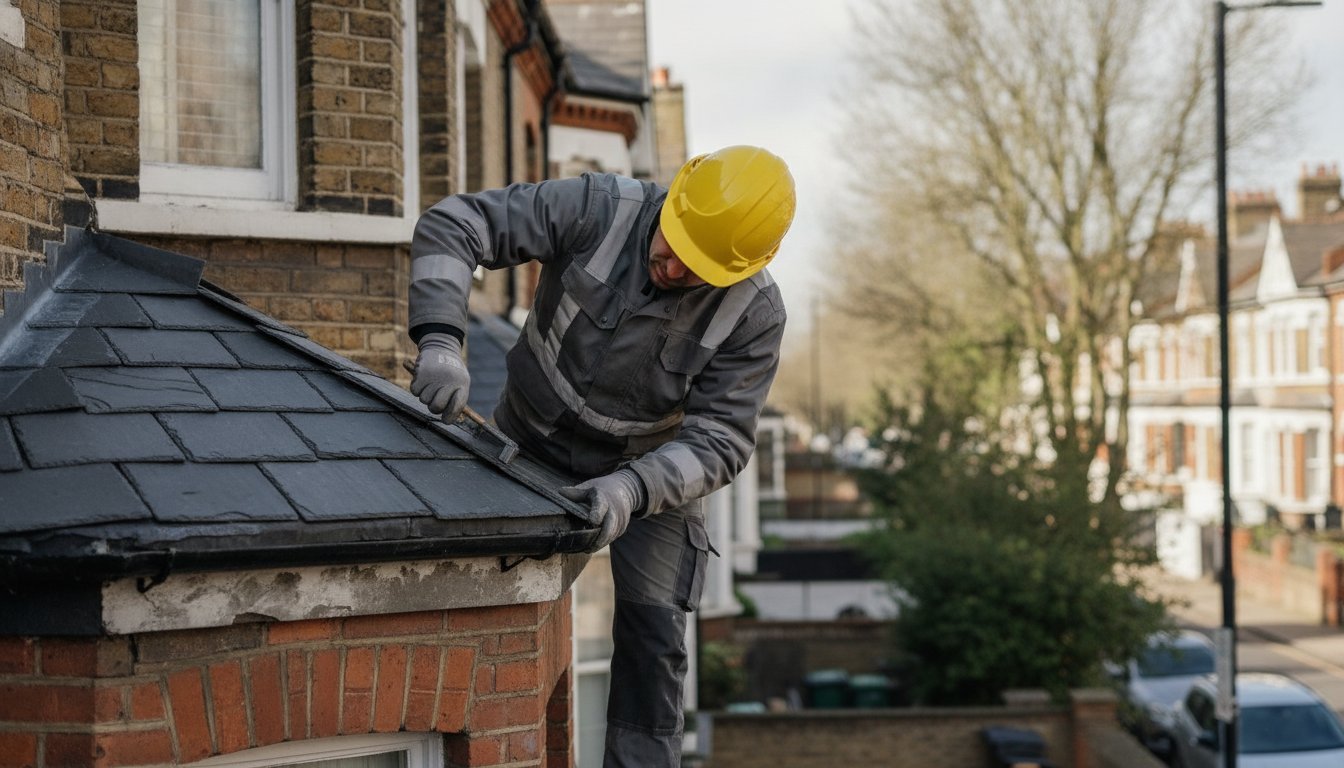
Is your leaking bay window roof a simple patch job, or is it a warning sign of hidden structural rot? It is a question many homeowners face when they spot damp patches on the ceiling or feel a persistent draft near their period windows. If you are currently assessing the need for bay window roof repair in Hackney, you likely value the unique architectural character of your Victorian terrace whilst needing a solution that is both watertight and durable. Finding a specialist who understands heritage leadwork is essential to protect your investment, especially since an uninsulated roof can account for approximately 20% of a home’s heat loss.
This guide provides the expert clarity you need to navigate these structural challenges. We promise to help you identify the specific vulnerabilities of your property whilst ensuring any work preserves its historical charm and structural integrity. We will preview the essential steps for a professional restoration, from diagnosing timber decay to meeting the 2026 Building Regulations’ thermal efficiency standards. You will also gain a clear understanding of the Hackney Council building control process, ensuring your project is compliant, long-lasting, and adds genuine value to your home.
Key Takeaways
- Learn how to identify the early signs of material fatigue and dampness specific to the unique architectural stresses of Hackney’s Victorian properties.
- Understand why specialist leadwork and high-quality slate remain the benchmark for preserving both the durability and period charm of your home.
- Discover the technical criteria for choosing between a targeted bay window roof repair in Hackney and a complete replacement to ensure long-term value.
- Gain a clear understanding of the professional restoration process, from arranging safe scaffolding to stripping back substrates to expose hidden structural rot.
- Learn how to integrate modern insulation upgrades that meet the 2026 Building Regulations whilst significantly improving your property’s thermal performance.
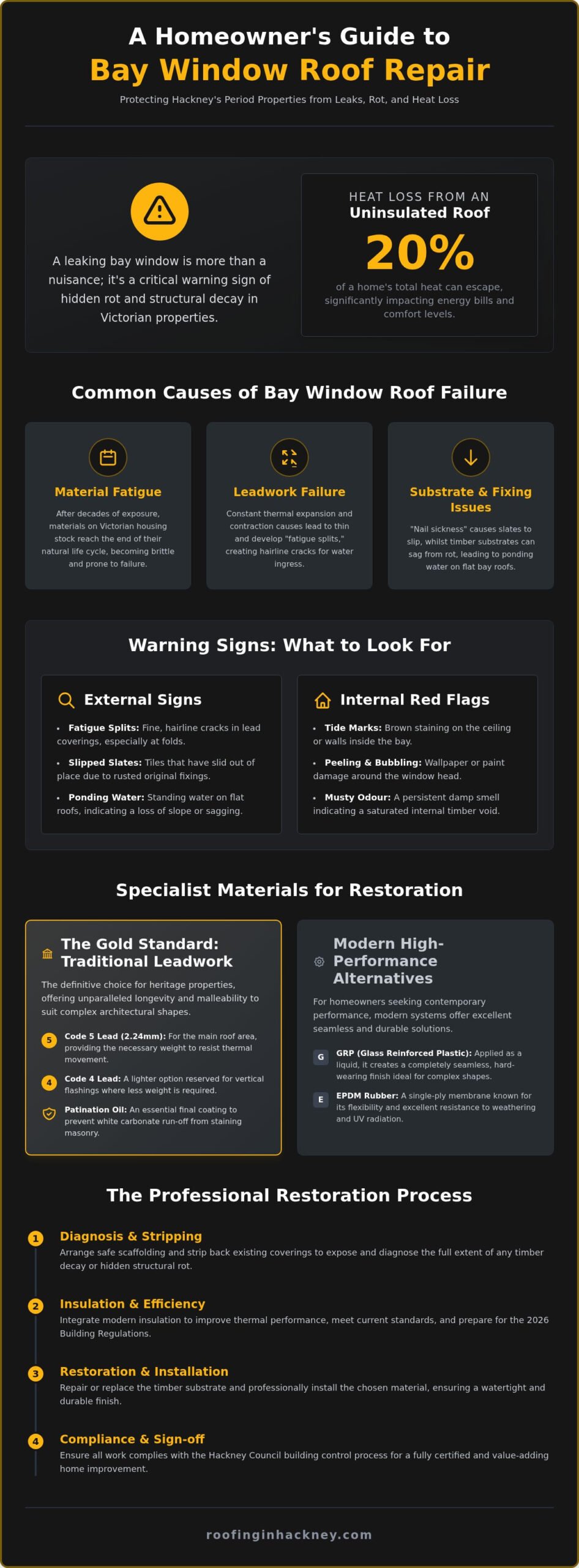
Common Causes of Bay Window Roof Failure in Hackney Properties
A bay window is more than just a decorative feature; it is a high-stress architectural component that bears the brunt of the elements from three different directions. To understand What is a Bay Window? in the context of a Hackney terrace, one must consider its physical exposure. Unlike the main roof, which is often shielded by neighbouring buildings, the bay roof stands out, catching wind-driven rain and enduring extreme temperature shifts. In Hackney, where much of the Victorian housing stock dates back to the late 19th century, these roofs have often reached the end of their natural life cycle. Material fatigue is the primary driver for homeowners seeking professional bay window roof repair in Hackney.
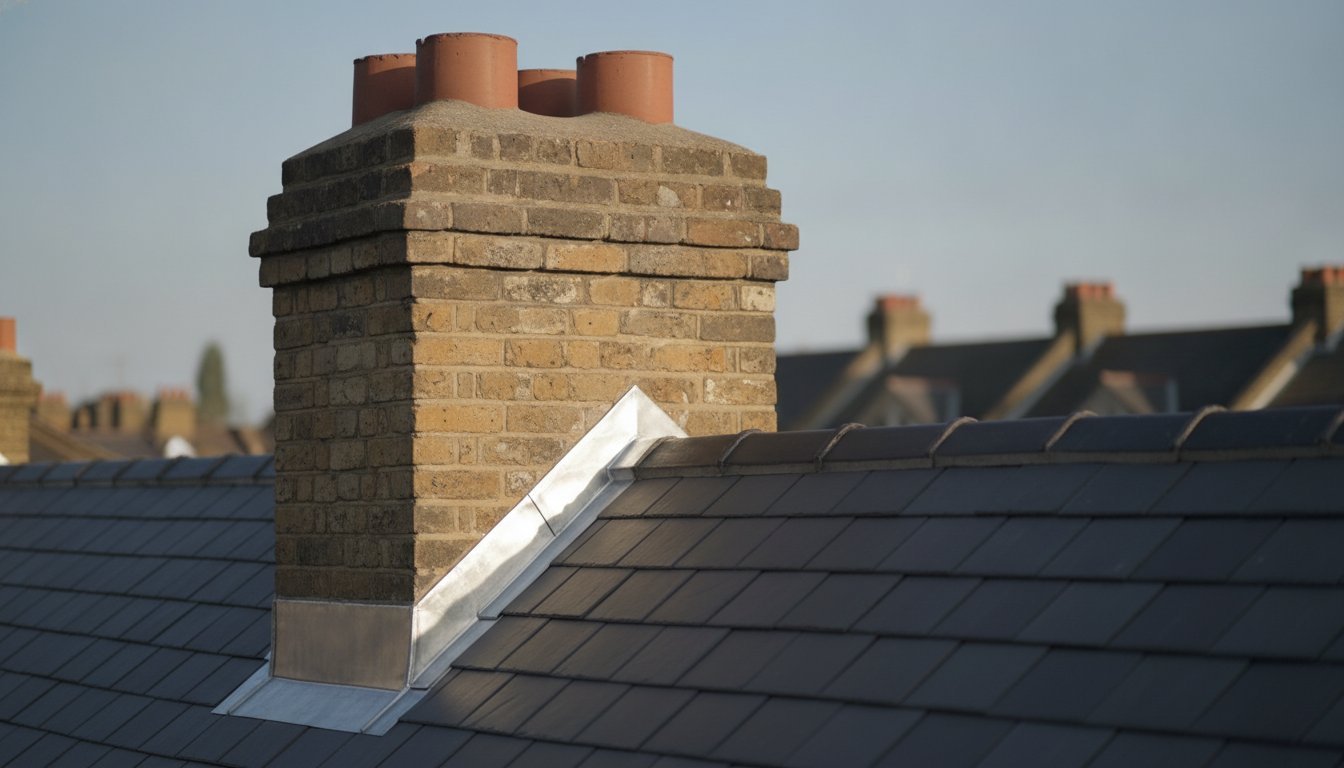
The most frequent failure we encounter involves lead flashing and coverings. Lead is an exceptional material for heritage work, but it remains prone to thermal expansion and contraction. On a hot summer afternoon, the lead expands; as the sun sets, it contracts. Over many decades, this constant movement causes the metal to thin and eventually develop “fatigue splits.” These are often hairline cracks that allow moisture to seep through during heavy downpours. This creates a “silent leak” phenomenon. Water doesn’t always drip onto the floor; instead, it travels along the underside of the lead, soaking into the timber joists and masonry walls whilst remaining hidden from view.
External Warning Signs: What to Look For
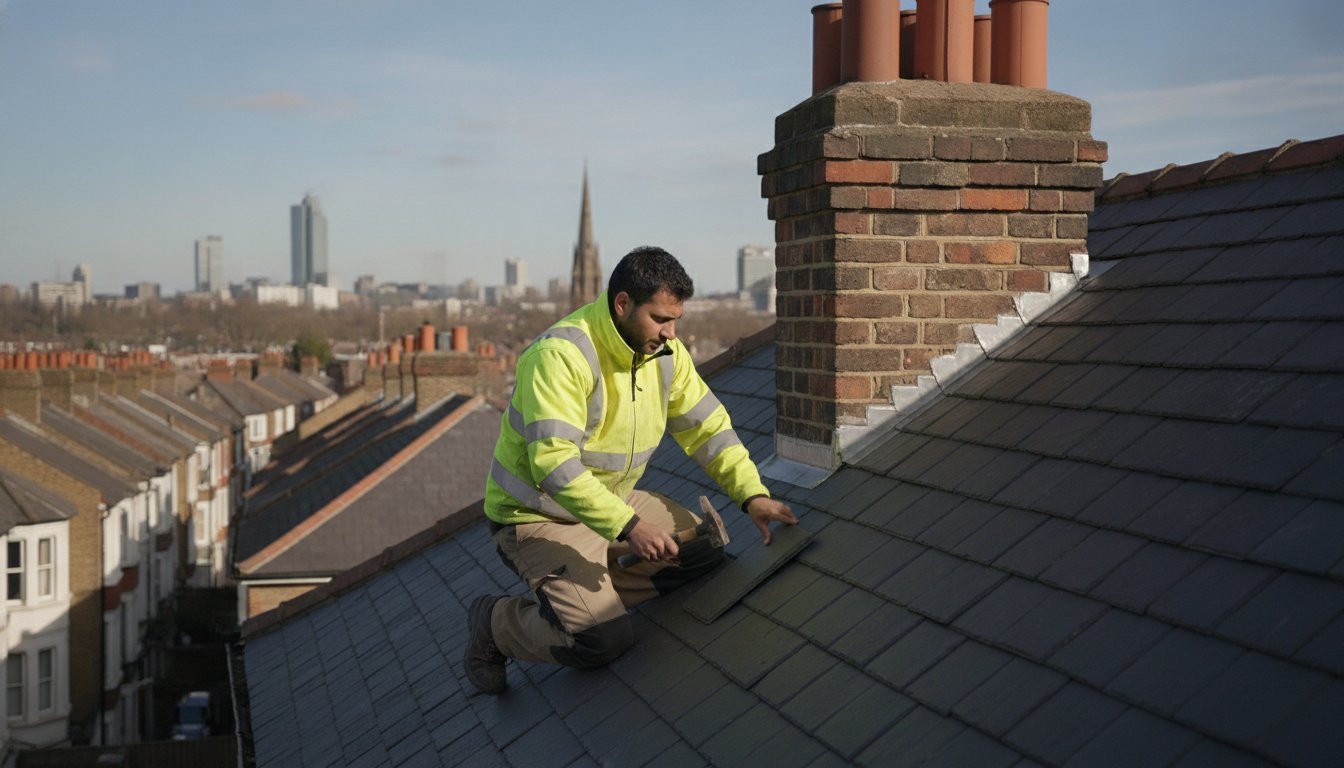
Identifying issues early can prevent a minor leak from becoming a structural emergency. Residents should look for fatigue splits, which appear as fine cracks in the lead, usually at the points where it is folded or fixed. On pitched bay roofs, slipped slates are a common sight, often caused by “nail sickness” where the original iron fixings have rusted away. For those with flat bay roofs, ponding is a major concern. Standing water indicates the roof has lost its “fall” or slope, usually because the timber substrate has begun to sag or rot beneath the surface.
Internal Red Flags: Connecting Roof Issues to Interior Damage
Damage often manifests inside the home before the roof shows obvious signs of distress. Brown staining or “tide marks” on the ceiling of the bay are the clearest signs of active water ingress. You might also notice peeling wallpaper or bubbling paint around the window head, which suggests moisture is trapped behind the finish. If you notice a persistent musty odour in the room, it often indicates that the internal timber void is saturated. It is essential to address bay window roof repair in Hackney as soon as these signs appear to prevent dry rot from spreading into the main floor joists.
Specialist Materials for Bay Window Roof Restoration
Selecting the right material for a bay window roof repair in Hackney involves balancing historical accuracy with modern performance. Hackney is home to numerous conservation areas where maintaining the original aesthetic of Victorian and Edwardian properties is a priority. Using the wrong material doesn’t just risk a leak; it can diminish the property’s value and potentially violate local planning guidelines. Whilst modern membranes have their place, traditional materials like lead and slate remain the preferred choice for their longevity and heritage appeal. Choosing a material that complements the architectural fabric of your home is the first step toward a successful restoration.
The Gold Standard: Traditional Leadwork
Lead remains the definitive choice for flat or low-pitched bays due to its incredible malleability and lifespan. For these projects, we typically use Code 5 lead for the main roof area. This provides the necessary weight and thickness (approximately 2.24mm) to resist the thermal expansion and contraction mentioned earlier. Code 4 lead is generally reserved for flashings where less weight is required. A critical but often overlooked step in professional leadwork is the application of patination oil. This specialist coating prevents the formation of white carbonate, which can otherwise wash off and stain the masonry or window frames below. This level of detail is what separates a standard repair from a master craftsman’s restoration.
Modern Solutions: GRP and Flat Roof Systems
For homeowners seeking contemporary performance, GRP (Glass Reinforced Plastic) and EPDM rubber offer excellent alternatives to traditional methods. GRP is particularly effective for small bay windows because it is applied as a seamless cold liquid. This eliminates the joints and seams where leaks often begin in older felt roofs. EPDM is a highly flexible rubber membrane that withstands UV radiation and extreme temperatures significantly better than traditional bitumen felt. Whilst lead can last between 50 and 80 years, these modern systems typically offer a 25 to 30-year lifespan. Ensuring these materials are installed according to the high standards set by the National Federation of Roofing Contractors is vital for a watertight, professional finish.
The choice between heritage lead and modern synthetics often comes down to the specific requirements of your property and your long-term goals for maintenance. If you are unsure which material best suits your property’s conservation status or structural needs, you can request a professional assessment from our team to discuss the best long-term solution for your home.
Bay Window Roof Repair vs. Full Replacement: Making the Right Call
Deciding between a targeted repair and a complete overhaul is the most critical stage of the process. For many homeowners, the initial instinct is to opt for the least invasive and most cost-effective solution. However, an ageing roof often presents a classic “false economy.” Repeatedly patching a Victorian-era structure that has reached its natural life limit can eventually cost more than a single, high-quality replacement. When evaluating bay window roof repair in Hackney, we look beyond the surface to determine if the underlying structure can still support the existing covering.
Timber health is the silent factor that often dictates the final decision. If water has been seeping through “silent leaks” for several seasons, the structural decking and joists may have developed soft spots or dry rot. A patch might stop the immediate drip, but it won’t address the structural compromise beneath. A professional assessment prioritises the integrity of these timber supports, as a failed substrate will eventually cause any new repair to fail prematurely. Investing in a full replacement provides a reset button for your property’s structural health.
When a Repair is Sufficient
A repair is often the most logical step if the roof is relatively young or the damage is localised. Minor splits in lead flashing can frequently be addressed through professional lead welding, which creates a permanent, watertight bond. If your pitched bay has lost a few slates due to high winds but the underlay and timber battens remain sound, a simple replacement of the missing units is usually sufficient. Similarly, if you notice ponding on a flat bay, it might simply be caused by a drainage outlet blocked by debris rather than a structural sag. In these instances, a targeted intervention restores protection without the need for a full strip-back.
When a Full Replacement is Mandatory
There are specific scenarios where a full replacement is the only responsible course of action. If a flat roof surface shows widespread “alligatoring”, which is a network of deep cracks resembling reptile skin, the material has lost its waterproofing capabilities entirely. Significant sagging is another non-negotiable red flag, indicating that the timber structure has failed and requires replacement to ensure safety. Additionally, under the 2026 Building Regulations, a full replacement provides the perfect opportunity to upgrade thermal performance. Since uninsulated roofs are a major source of heat loss, installing modern insulation during a full replacement is a strategic move that pays for itself through reduced energy bills and improved EPC ratings. This approach ensures 30-year maintenance-free peace of mind whilst protecting your Hackney home’s structural integrity.
The Professional Restoration Process: A Methodical Approach
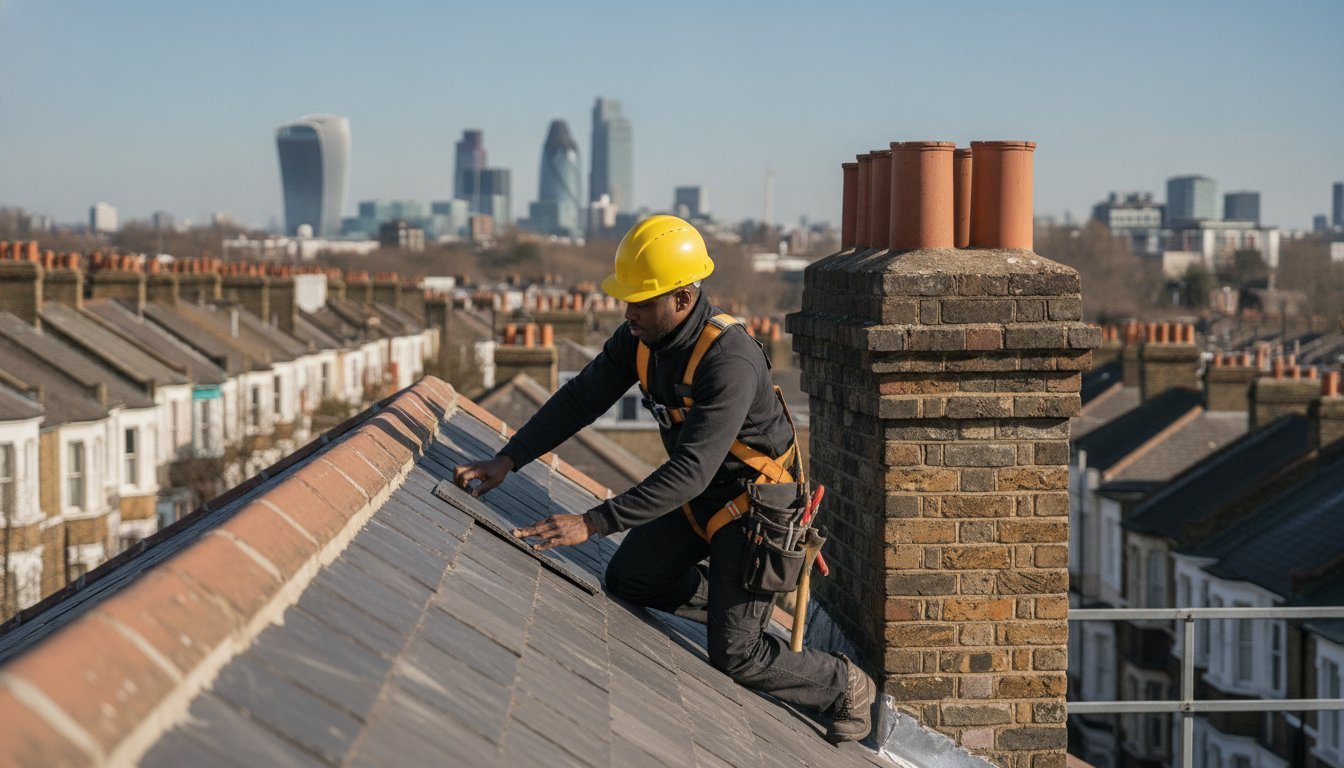
Executing a bay window roof repair in Hackney requires a disciplined, step-by-step workflow to ensure the property remains protected throughout the project. Because many of Hackney’s Victorian terraces sit directly on busy pavements, safe access is the first priority. We coordinate professional scaffolding to provide a stable platform for our craftsmen, ensuring the safety of both the workforce and the public whilst allowing for the intricate precision that heritage leadwork demands. This structured setup is essential for a project that meets modern safety standards and architectural requirements.
Step 1-3: Preparation and Structural Audit
The process begins with the careful removal of the failed covering, whether it is aged lead, cracked bitumen, or original slate. This reveals the timber substrate, allowing us to inspect the ‘joist ends’ for damp penetration. These points, where the bay structure meets the main house wall, are the most common sites for hidden rot. If the timber is compromised, we perform structural reinforcement and apply specialist preservative treatments. To align with 2026 thermal standards, we integrate high-performance vapour barriers to manage internal condensation, protecting the new insulation and the timber frame simultaneously.
Step 4-6: Waterproofing and Finishing
The new waterproofing layer is then installed with surgical precision. For lead installations, this involves expert bossing and welding to navigate complex corners and window intersections. We pay meticulous attention to the ‘fall’ of the roof; we often find that older bays have sagged, leading to the ponding issues mentioned earlier in this guide. We correct the slope to ensure rainwater flows efficiently into the guttering. The final phase involves a comprehensive inspection of the chimney and masonry integration. We check every seal and flashing point to ensure no gaps remain for wind-driven rain to exploit. This methodical approach is the hallmark of a high-quality bay window roof repair in Hackney, providing the long-term durability homeowners expect.
If you suspect your bay window roof requires a professional inspection, you can arrange a methodical structural survey with our local team to secure your home’s future.
Choosing a Local Specialist for Your Hackney Bay Window
Selecting the right partner for your bay window roof repair in Hackney is a decision that influences both the structural safety and the market value of your home. Hackney properties, particularly those in conservation areas like De Beauvoir or Victoria Park, require more than just a waterproof patch. They demand a deep understanding of Victorian construction methods and the specific environmental stresses of East London. Ensuring your bay roof is integrated with Expert Slate Roofing or handled by a certified Leadwork Specialist guarantees that the repair respects the building’s historical context whilst meeting 2026 performance standards. Local expertise ensures that your project complies with East London building standards and local council requirements from the outset.
The Value of Heritage Expertise
General builders often rely on modern, one-size-fits-all materials that can look out of place on a period terrace. Specialist leadwork requires a level of craftsmanship that generalists rarely possess, particularly when it comes to bossing lead around complex bay angles. Aesthetic harmony with neighbouring properties is essential in Hackney’s tightly packed streets, where a poorly executed repair stands out for the wrong reasons. Roofing in Hackney preserves the unique Victorian character of your home by using traditional materials and techniques that have stood the test of time for over a century. We pride ourselves on delivering a finish that looks original whilst performing to modern specifications.
Next Steps for Your Property
Every successful restoration begins with a professional, on-site survey. We provide itemised quotes that break down the costs of materials, scaffolding, and labour, so you aren’t left with unexpected expenses midway through the project. Transparency is a core part of our service ethos; we want you to understand exactly why a specific material or structural reinforcement has been recommended. A clear guarantee is also vital for your peace of mind, ensuring that your investment is protected for years to come. Our team is invested in the local community and takes pride in maintaining the architectural integrity of the borough’s housing stock.
Do not let a minor leak compromise your home’s structural integrity or period charm. Contact our Hackney team today for a bay window roof assessment and ensure your property receives the master craftsman’s attention it deserves.
Protect Your Investment and Preserve Hackney’s Heritage
Managing a period property requires a proactive approach to maintenance, particularly when dealing with exposed architectural elements. This guide has detailed how material fatigue and thermal movement can compromise even the most robust Victorian structures. By prioritising high-quality leadwork and ensuring your project meets the 2026 thermal efficiency standards, you aren’t just stopping a leak; you are significantly enhancing your home’s long-term value. Choosing a specialist who understands the unique vulnerabilities of East London terraces ensures that your bay window roof repair in Hackney is executed with the precision of a master craftsman.
Our team brings specialist leadwork and slate expertise to every project, functioning as dedicated Hackney heritage property specialists. We provide fully guaranteed craftsmanship that balances traditional aesthetics with modern structural requirements. Taking action today prevents minor moisture ingress from evolving into costly structural timber rot. We are ready to help you restore your home’s protection and period charm with a methodical, expert-led approach.
Book a Professional Bay Window Survey in Hackney
We look forward to helping you secure a watertight and energy-efficient future for your property.
Frequently Asked Questions
How much does a bay window roof repair cost in Hackney?
The cost of a bay window roof repair in Hackney depends on the material selected, the size of the bay, and the condition of the underlying timbers. Whilst felt is the most affordable option, lead and slate offer significantly better longevity for period homes. Scaffolding requirements for first-floor windows also influence the final investment. We provide itemised quotes following a structural survey to ensure you have a clear understanding of the project scope.
How long does it take to replace a bay window roof?
A standard bay window roof replacement typically takes between one and three days to complete. This timeframe includes the safe removal of old materials, any necessary timber repairs, and the precision installation of the new waterproofing layer. Complex leadwork or multi-storey scaffolding can extend this duration slightly. We always aim to keep the property watertight throughout the process to minimise disruption to your daily routine.
Can I change my bay window roof from lead to a cheaper material?
You can technically switch to materials like GRP or EPDM, but this is often restricted if your property is within a Hackney conservation area. Lead is the traditional choice for Victorian terraces because it matches the architectural fabric of the neighbourhood. If you change materials, you must also consider the weight difference; a significantly lighter or heavier material may require structural modifications to the roof frame.
Do I need scaffolding for a bay window roof repair?
Scaffolding is almost always required for first-floor bay window roof repair in Hackney to ensure the safety of our craftsmen and the public. Ground-floor bays can sometimes be accessed via towers, but we prioritise stable platforms for complex leadwork or slate replacement. Professional scaffolding allows us to work with the precision required for heritage-sensitive repairs whilst complying with modern health and safety regulations.
Will a leaking bay window roof cause structural damage to my home?
Yes, persistent leaks can lead to significant structural damage, including dry rot in the timber joists and masonry saturation. Because bay roofs are integrated into the main house wall, moisture often travels into the floor structures of the rooms above. Identifying and addressing leaks early prevents these silent issues from compromising the structural integrity of your property or damaging internal decorative features like lath and plaster ceilings.
Do I need planning permission for a bay window roof replacement in Hackney?
Planning permission isn’t usually required for like-for-like repairs, but you must comply with Building Regulations for most re-roofing work. Under the 2026 Building Regulations, you’re legally required to improve the roof’s insulation if you’re replacing the covering. Homeowners in conservation areas should also check with Hackney Council before changing materials to ensure they maintain the heritage character of the local streetscape.
What is the best material for a flat bay window roof?
Lead is widely considered the gold standard for flat bay roofs due to its 50 to 80-year lifespan and malleability. For those seeking modern alternatives, GRP fibreglass offers a seamless, watertight finish that’s ideal for smaller surfaces. The best choice depends on your budget, the age of your property, and whether you need to meet specific heritage conservation requirements within your part of Hackney.
How can I tell if my lead bay window roof is failing?
Look for fatigue splits, which are fine cracks caused by decades of thermal expansion and contraction. You might also notice white carbonate staining on the masonry below or internal signs like brown tide marks on the ceiling. If the roof surface appears to be sagging or ponding water after rainfall, it often indicates that the timber substrate beneath the lead has begun to rot and requires urgent professional attention.