A lead chimney flashing that lasts seventy years isn’t a luxury; it’s the inevitable result of precise geometry and a refusal to cut corners. For many Hackney homeowners, the sudden appearance of a damp patch on a chimney breast is the first sign that their roof’s most critical junction has finally succumbed to the elements. It’s natural to feel a sense of trepidation when researching the lead chimney flashing cost in 2026, especially whilst trying to balance the need for a fair price against the fear of hiring a contractor who lacks specialist leadwork skills.
You deserve a solution that protects your home for decades, not just until the next heavy downpour. This guide provides a clear framework for understanding the investment required for your project, ensuring you can distinguish between a temporary patch and a BS 6915-compliant installation. We will examine how lead grades, Hackney’s specific architectural requirements, and essential access costs like scaffolding combine to create a lasting, watertight seal. By the end of this article, you’ll have the technical knowledge to secure a master craftsman who treats your chimney as a structural priority rather than an afterthought.
Key Takeaways
- Identify the three critical components—front aprons, back gutters, and step flashings—that form a professional, watertight chimney junction.
- Understand how lead codes and Hackney’s specific access requirements, such as parking and scaffolding, dictate the overall lead chimney flashing cost in 2026.
- Learn to spot signs of material fatigue, including thinning or white oxidation, to make an informed decision between minor repairs and a full replacement.
- Discover why specialist leadwork skills are essential for protecting the heritage architecture of period homes whilst ensuring a sixty-year lifespan.
- Gain the confidence to vet contractors by asking about BS 6915 compliance and traditional fixing methods that prevent thermal fatigue.
Understanding Lead Chimney Flashing and Its Role in Roof Protection
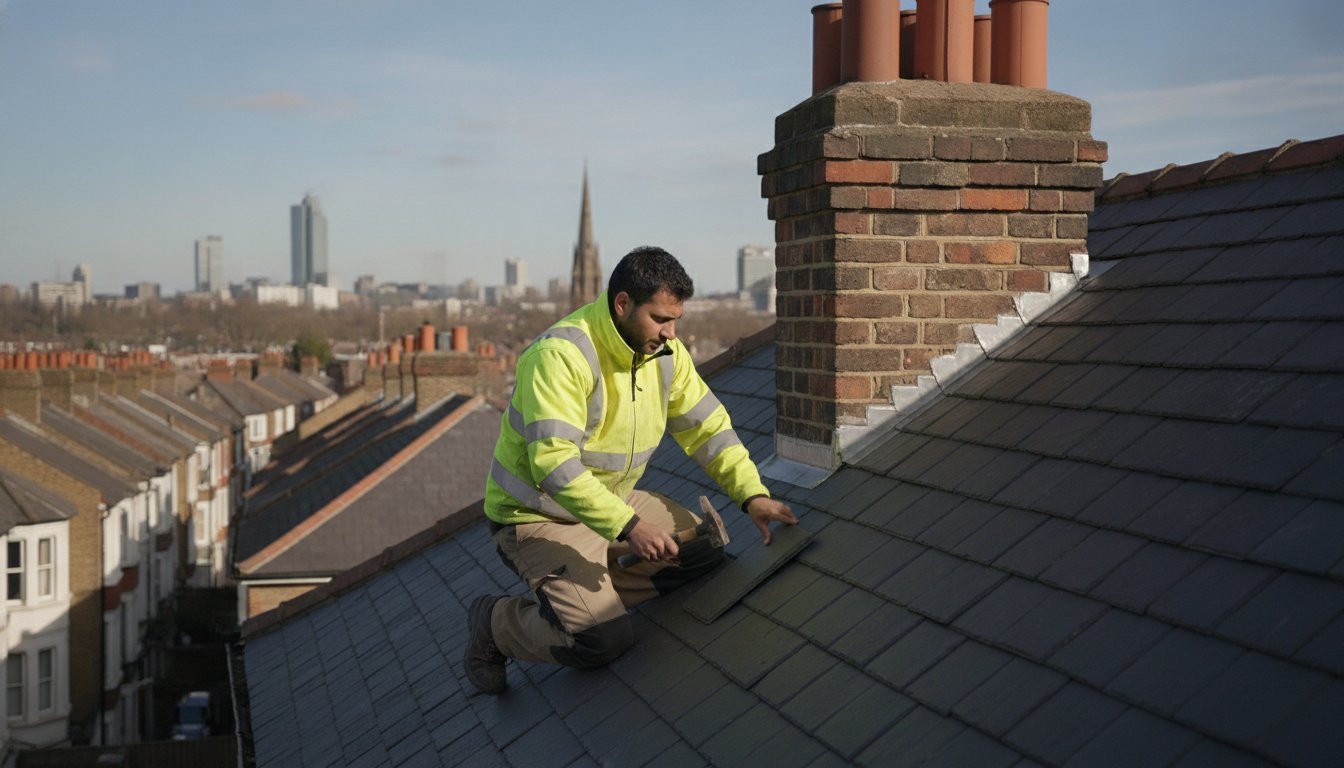
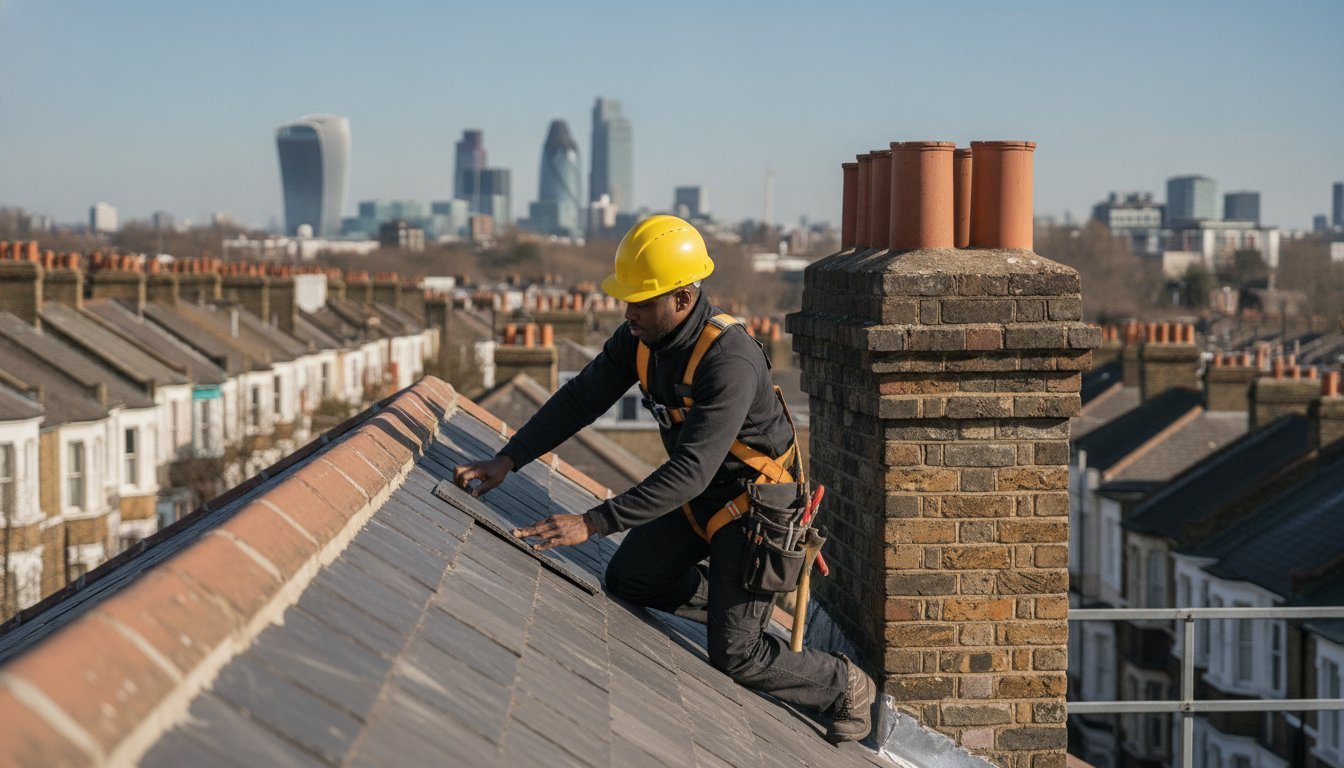
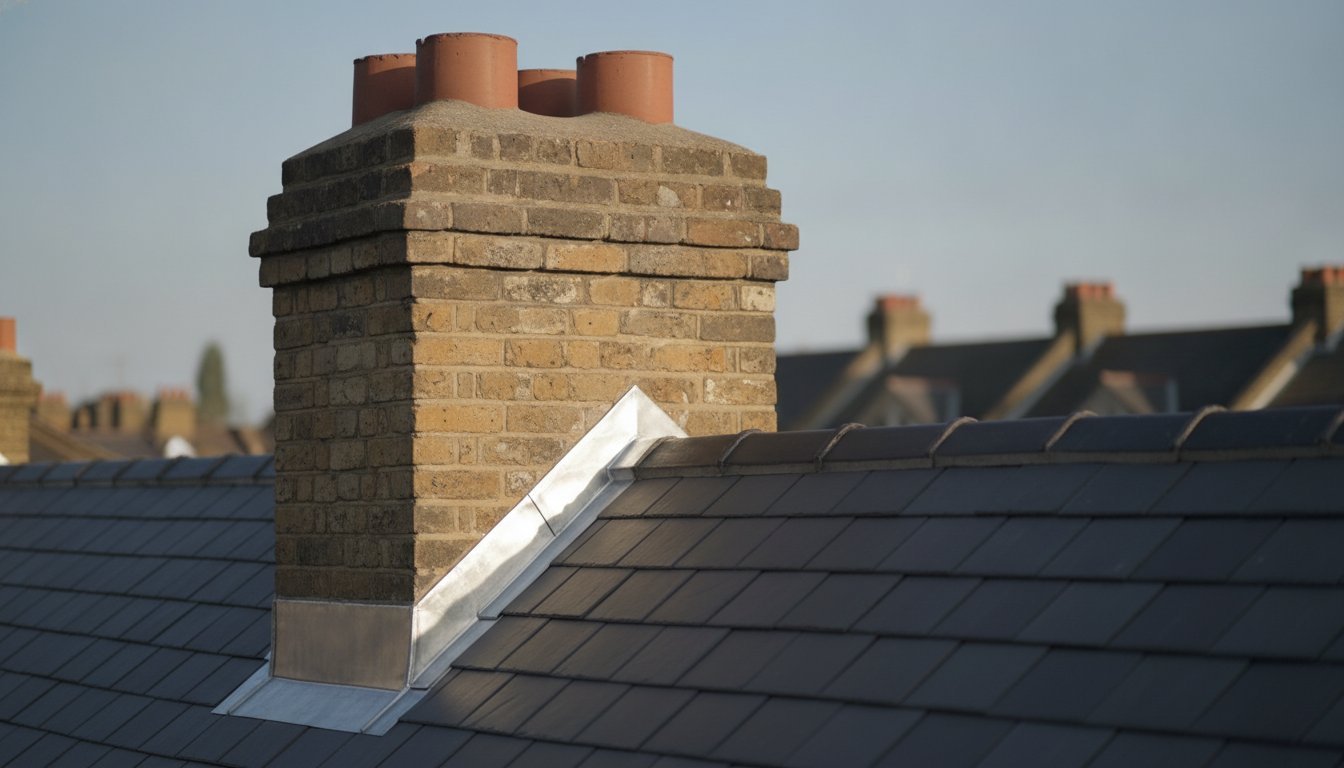
Lead flashing serves as the fundamental seal between the vertical masonry of a chimney stack and the sloping surface of a roof. Without this barrier, water would simply track down the brickwork and penetrate the roof structure. In Hackney’s dense landscape of Victorian and Edwardian terraces, these junctions are often the primary source of water ingress. Understanding the components of these weatherproofing flashing systems is the first step in evaluating your lead chimney flashing cost, as the complexity of the stack directly dictates the labour and material requirements.
The Anatomy of a Watertight Chimney
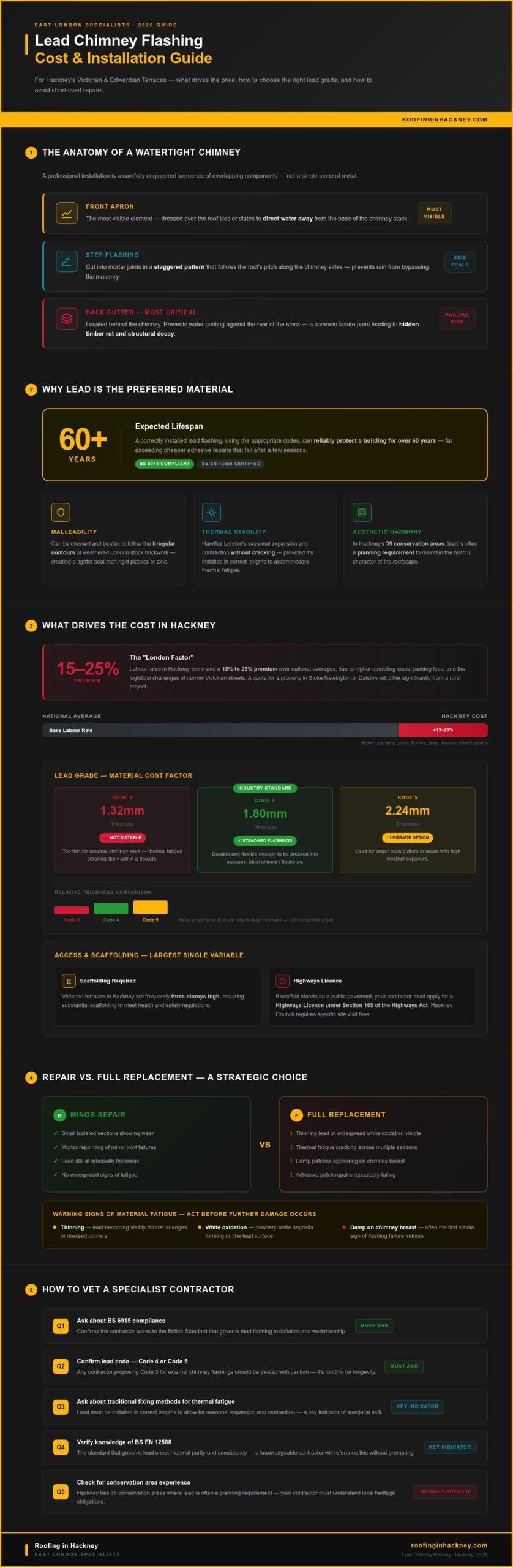
A professional installation is rarely a single piece of metal. It is a carefully engineered sequence of overlapping components designed to manage water flow. The front apron is the most visible element, dressed over the roof tiles or slates to direct water away from the base of the stack. Along the sides, step flashing is cut into the mortar joints in a staggered pattern that follows the roof’s pitch, ensuring rain cannot bypass the masonry. Perhaps most critical is the back gutter, located behind the chimney. This component prevents water from pooling against the rear of the stack, which is a common failure point that leads to hidden timber rot and structural decay if neglected.
Why Lead is the Preferred Material for Hackney Homes
Whilst modern synthetic alternatives exist, lead remains the gold standard for period properties across East London. Its longevity is unmatched; a correctly installed lead flashing, using the appropriate codes, can reliably protect a building for over 60 years. This durability is a key factor when considering the long-term lead chimney flashing cost compared to cheaper, short-lived adhesive repairs that fail after a few seasons.
The material’s physical properties offer several distinct advantages for local homeowners:
- Malleability: Lead can be dressed and beaten to follow the irregular contours of weathered London stock brickwork, creating a tighter seal than rigid plastics or zinc.
- Thermal Stability: London’s seasonal temperature shifts cause roofs to expand and contract. Lead is naturally capable of handling this movement without cracking, provided it’s installed in correct lengths to accommodate thermal fatigue.
- Aesthetic Harmony: For properties within Hackney’s 35 conservation areas, lead is often a planning requirement to maintain the historic character of the roofscape.
Choosing a specialist ensures these materials are fitted to BS 6915 standards. This precision prevents the internal damp and masonry damage that inevitably follows a flashing failure, protecting your investment for the next half-century.
Factors Influencing Lead Chimney Flashing Cost in 2026
The “London Factor” is a reality for any structural work in East London. When calculating your lead chimney flashing cost, it is essential to look beyond national averages. Labour rates in Hackney often command a 15% to 25% premium due to higher operating costs, parking fees, and the logistical challenges of narrow Victorian streets. These local variables mean that a quote for a property in Stoke Newington or Dalston will differ significantly from a project in a more accessible rural setting.
Material Grades: Code 4 vs. Code 5 Lead
The thickness of the lead sheet is governed by BS EN 12588, a standard that ensures material purity and consistency. For most chimney flashings, Code 4 (1.80 mm thickness) is the industry standard. It provides the necessary durability whilst remaining flexible enough to be dressed into masonry. For larger back gutters or areas with high weather exposure, we typically upgrade to Code 5 (2.24 mm). Choosing the wrong grade is a false economy; Code 3 lead is far too thin for external chimney work and will likely suffer from thermal fatigue cracking within a decade. Investing in the correct grade ensures the installation remains watertight for sixty years or more.
Accessibility and Scaffolding Requirements
Safe access is often the single largest variable in a roofing quote. In Hackney, Victorian terraces are frequently three storeys high, requiring substantial scaffolding to meet health and safety regulations. If the scaffold must stand on a public pavement, your contractor must apply for a Highways Licence under Section 169 of the Highways Act. Hackney Council requires specific site visit fees and proof of significant public liability insurance for these permits, all of which influence the final project price.
Chimney complexity also plays a role. Shared stacks on property boundaries require careful coordination and may fall under the Party Wall etc. Act 1996 if masonry is disturbed. Additionally, if your home is amongst the 35 designated zones covered by Hackney Council conservation area guidelines, specific traditional materials and finishes are mandatory. These requirements ensure the heritage of the borough is preserved, but they do require a specialist’s touch rather than a general builder’s approach. If you are unsure how these local factors affect your property, you can request a detailed site assessment to get a clear, professional breakdown of the work required.
Lead Flashing Repair vs. Full Replacement: A Strategic Choice
Deciding whether to repair or replace existing leadwork requires a technical assessment of the material’s current condition. Whilst a minor leak might suggest a simple fix, the presence of “white powder” oxidation or significant thinning often indicates that the lead has reached the end of its functional life. Relying on temporary patches like bituminous flash-band or silicone sealants is a frequent mistake. These materials lack the thermal expansion capabilities of metal and typically fail within eighteen months, leading to a higher long-term lead chimney flashing cost when the underlying timber eventually rots.
Signs Your Leadwork Has Reached the End of Its Life
Thermal fatigue manifests as small, stepped cracks along the folds of the lead. This occurs when the sheets are too long, preventing natural expansion and contraction during London’s temperature shifts. You should also inspect your loft space; damp staining on the rafters or chimney breast is a definitive sign of failure. If the lead has slipped or pulled away from the masonry, the mechanical fixings have likely failed. Following the SPAB chimney maintenance guidance is essential here, as it emphasises the importance of identifying these issues before they compromise the building’s structural integrity.
Combining Flashing Replacement with Chimney Repointing
For Hackney’s period properties, a strategic approach involves bundling services to maximise value. Since safe access via scaffolding often represents nearly half of the project’s overhead, it is highly cost-effective to address masonry issues simultaneously. Many Victorian stacks in the area require repointing with traditional lime mortar. Unlike modern cement, lime allows the brickwork to “breathe” and move, which is vital when installing new leadwork. This master craftsman approach ensures that once the scaffolding is struck, your chimney is prepared for another sixty years of service. If you suspect your flashing is failing, our team provides specialist leadwork repairs and chimney services tailored to East London’s heritage architecture.
Selecting a Specialist for Your Leadwork Project
Whilst many general builders claim to offer roofing services, traditional leadwork is a distinct discipline that requires the precision of a master craftsman. Entrusting a chimney junction to an unqualified contractor often leads to a lower initial lead chimney flashing cost, but this saving is usually erased by the need for corrective work within a few years. A specialist leadworker understands the technical nuances of BS 6915, ensuring that every fold and fixing accommodates the natural behaviour of the metal.
When vetting potential contractors for your Hackney home, you should ask specific questions about their methodology. Inquire about the lead codes they intend to use and how they plan to secure the flashing into the masonry. A professional will always specify Code 4 or Code 5 lead for chimney weatherings and will never rely on silicone sealant as a primary fixing method. Our team at Roofing in Hackney brings decades of experience to every project, combining heritage skills with modern standards to protect East London’s unique architectural stock.
The Hallmarks of Professional Leadwork
Precision in the finishing stages is what separates a specialist from a generalist. One critical element is the application of patination oil. Without this treatment, newly installed lead reacts with moisture to form a white carbonate layer that can wash away and permanently stain your roof tiles or London stock brickwork. Professional installers apply this oil immediately to ensure a uniform, dull grey finish that develops a protective patina over time.
Structural integrity also depends on how the lead is fixed and jointed. Specialists use lead wedges or hall clips to mechanically fix the metal into the “raggle” or mortar joint before pointing. Furthermore, they adhere to the 1.5-metre maximum length rule for individual sections of Code 4 lead. This prevents thermal fatigue, a common issue where over-long pieces of lead buckle and split because they cannot expand freely during summer months. These technical details are essential for maintaining the sixty-year lifespan expected of high-quality leadwork.
Ensuring Long-Term Value and Guarantees
A transparent quote should provide a clear breakdown of materials, labour, and waste disposal. In Hackney’s Victorian terraces, roof configurations are often complex, with shared stacks and steep pitches that require a nuanced approach. Local expertise is vital here; a contractor familiar with the borough’s building styles will anticipate the specific challenges of your property. If you want to ensure your home remains watertight and structurally sound, contact our specialist leadwork team for a professional consultation and a detailed assessment of your chimney’s requirements.
Professional Lead Chimney Flashing Services in Hackney
At Roofing in Hackney, we view leadwork as a precision engineering task rather than a simple roofing repair. Our approach is rooted in the belief that a chimney junction is only as strong as its weakest fold. By adhering strictly to the Lead Sheet Training Academy standards, we ensure that every project we undertake meets the rigorous requirements of British building codes. We don’t just fit lead; we design weatherproofing systems that respect the structural integrity and historic character of your property.
When we assess your home, we provide a comprehensive roof health check that extends beyond the immediate chimney junction. Whilst the lead chimney flashing cost is a primary concern for many homeowners, it’s often the surrounding elements that determine the project’s long-term success. We examine the condition of the chimney pots, the stability of the flaunching, and the integrity of the neighbouring tiles to ensure that our leadwork sits within a secure environment. This holistic perspective prevents the need for reactive maintenance in the years to come.
Our Heritage-Focused Approach
Every Victorian and Edwardian terrace in Hackney presents a unique set of challenges. Our team is specialised in the intricate geometry of these period chimney stacks, ensuring that step flashings and back gutters are tailored to the specific pitch and masonry condition of your roof. We often find that leadwork is most effective when integrated with traditional materials. For those looking to preserve the authentic character of their home, our guide on Mastering Slate Roofing in Hackney explains how these two essential components work in synergy to provide a cohesive, heritage-standard finish.
Contact Us for a Professional Assessment
Investing in professional leadwork is a commitment to your home’s future. As a local, trusted advisor, we pride ourselves on transparency and technical excellence. We provide bespoke, detailed quotes that account for every variable, from lead codes to scaffolding licences, ensuring there are no hidden surprises during the build. If you’ve noticed dampness around your chimney or suspect your existing flashings are failing, the first step is a professional evaluation. You can Contact Roofing in Hackney for a Leadwork Consultation to discuss your project and secure a watertight future for your Hackney property.
Securing the Longevity of Your Hackney Home
A professional lead flashing installation is a foundational investment that protects your property for over sixty years. Whilst it’s tempting to focus solely on the immediate lead chimney flashing cost, the true value lies in the technical precision of the installation. Choosing the correct lead codes and ensuring your contractor applies patination oil will prevent premature failure and unsightly staining on your period brickwork.
As highly-rated local Hackney contractors, we understand the unique requirements of the borough’s Victorian and heritage architecture. Our master craftsman approach ensures that every junction is watertight and structurally sound. If you suspect your chimney requires attention, it’s vital to act before hidden dampness or timber rot develops. We provide a comprehensive service that combines traditional leadwork with expert chimney maintenance. You can Get a Professional Quote for Leadwork in Hackney to discuss your specific needs. Protecting your home starts with a specialist assessment that prioritises quality and transparency. We look forward to helping you safeguard your property for the decades ahead.
Frequently Asked Questions
How much does lead chimney flashing cost on average in Hackney?
The lead chimney flashing cost in Hackney depends on factors like the number of storeys, the chimney’s footprint, and the chosen lead code. Whilst national averages exist, local projects often incur higher costs due to London’s logistical challenges and the need for pavement licences. A bespoke quote accounts for safe access and the technical complexity of Victorian masonry, ensuring the investment provides a watertight seal for several decades rather than a temporary patch.
How long does it take to replace lead flashing around a chimney?
A standard chimney reflashing typically takes between one and two days to complete, provided the weather remains dry. This timeframe includes the removal of old materials, cleaning the masonry “raggle”, and the precise dressing of new lead components. Complex shared stacks or projects requiring extensive repointing may extend the duration. Our team prioritises efficiency whilst maintaining the high standards of craftsmanship required to ensure a long-lasting, professional finish for your Hackney home.
Can I use a lead alternative to save on costs?
Synthetic flashings are available, but they rarely match the durability or aesthetic of traditional lead on Hackney’s period properties. Whilst adhesive tapes might lower the initial lead chimney flashing cost, they typically fail within fifteen years due to UV degradation and thermal movement. Lead remains the industry standard because it can last over sixty years when installed correctly. For heritage buildings in conservation areas, using genuine lead is often a specific planning requirement.
Do I need scaffolding for a chimney flashing repair?
Safe roof access via professional scaffolding is almost always necessary for chimney work on Hackney’s multi-storey terraces. Working at height requires a stable platform that complies with health and safety regulations, especially when handling heavy lead rolls and cutting into masonry. Whilst some minor repairs might use a tower, full replacements demand a secure scaffold to ensure the safety of the tradespeople and the public, particularly on narrow residential streets where pavement permits are required.
What is the difference between Code 3 and Code 4 lead?
The primary difference lies in the thickness and weight of the lead sheet. Code 4 lead is 1.80 mm thick and is the minimum standard for external flashings, aprons, and step flashings. Code 3 is thinner, at 1.32 mm, and is strictly reserved for concealed soakers tucked beneath slates or tiles. Using the thinner Code 3 for exposed chimney junctions is a common error that leads to premature fatigue cracks as the metal expands and contracts.
How do I know if my chimney flashing is leaking?
Identifying a leak early can prevent significant internal damage. Look for damp staining on the chimney breast or rafters in your loft space. Externally, visible signs include lead that has pulled out of the mortar joints, “stepped” cracks in the metal, or a white, chalky powder known as carbonate oxidation. If you notice any of these symptoms, it’s a clear indication that your flashing has reached the end of its functional life and requires professional attention.
Does new lead flashing require maintenance?
Newly installed lead requires very little ongoing maintenance once it’s been treated with patination oil. This oil is essential to prevent white carbonate run-off from staining your tiles or brickwork whilst the metal develops its natural protective patina. We recommend an annual visual inspection of the mortar pointing around the lead to ensure it hasn’t cracked. Keeping gutters clear of debris also prevents water from backing up against the lead junctions during heavy rain.
Will replacing my flashing increase my property value?
Replacing failing flashing is a strategic investment that preserves your property’s value by protecting its structural integrity. Surveyors in East London pay close attention to chimney weatherings; a professional, BS 6915-compliant lead installation provides prospective buyers with the reassurance that the home is watertight. Beyond the functional benefits, the neat, traditional appearance of high-quality leadwork enhances the kerb appeal of heritage homes, demonstrating a commitment to master craftsman standards and long-term maintenance.