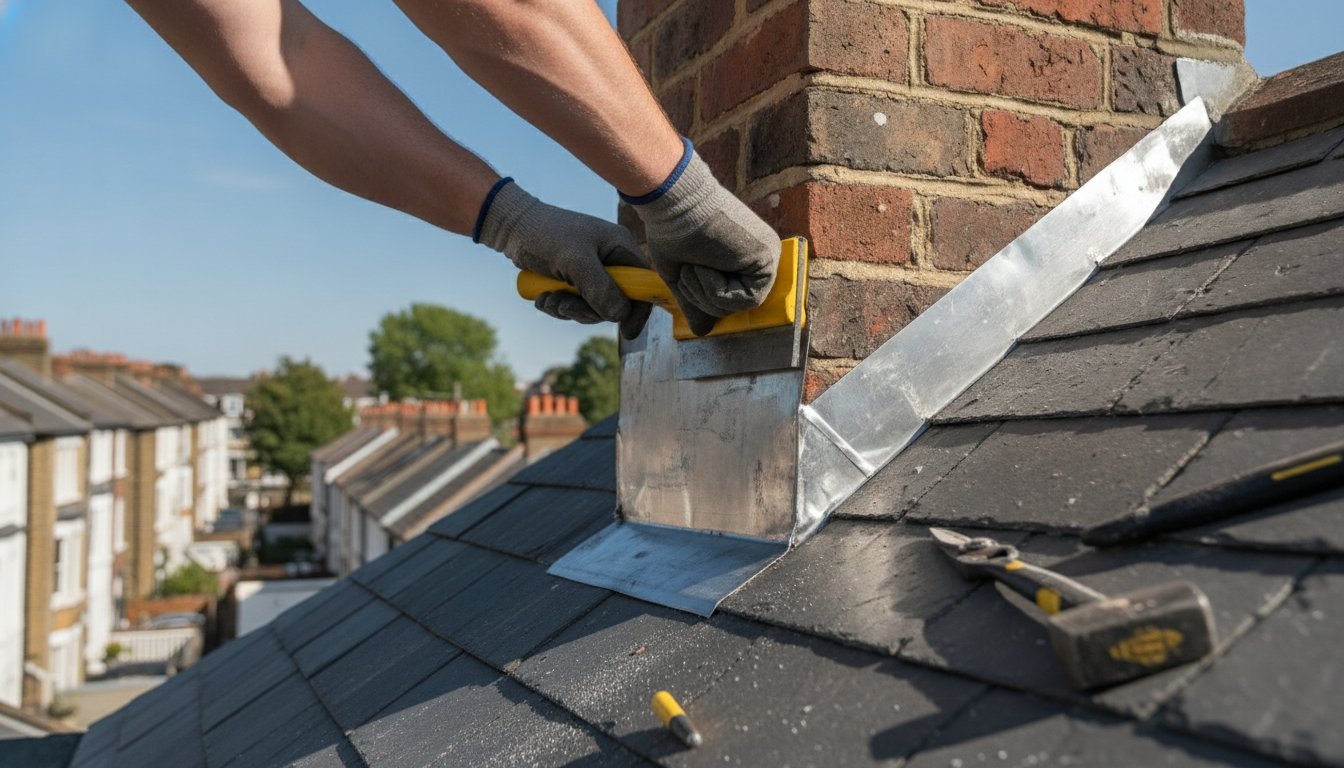
A cheap “patch-up” job on your chimney flashing is often the most expensive mistake a Hackney homeowner can make. When calculating the chimney flashing repair cost Hackney residents must consider in 2026, it’s vital to account for the unique demands of East London’s Victorian architecture. The logistical hurdles of scaffolding and parking permits mean you simply cannot afford to pay for the same repair twice.
We know you value craftsmanship that lasts, which is why this guide helps you master the variables that define a professional quote. You’ll learn how lead grades, technical standards, and local logistical permits influence the final investment for your property. It’s about moving from a point of uncertainty to a point of resolution with clear, expert-led information that prioritises long-term durability.
We’ll provide a methodical breakdown of what to expect when hiring a specialist leadwork contractor. This includes navigating Hackney Council requirements and ensuring your repair meets heritage building standards, ultimately securing a watertight chimney for the next 25 years.
Key Takeaways
- Understand why adhering to BS EN 12588 standards and choosing the correct lead grade is essential for a watertight seal that lasts for decades.
- Discover how the chimney flashing repair cost Hackney residents pay is shaped by the shift towards high-performance leadwork over short-term sealants.
- Identify when to repair and when to replace by applying the “60-year rule” to your chimney’s existing leadwork and masonry condition.
- Prepare for the logistical realities of East London, from navigating narrow street access to managing complex scaffolding for mid-terrace properties.
- Learn how to distinguish between general building work and the “Master Craftsman” skills required for specialist leadwork and heritage compliance.
Understanding Chimney Flashing Repair Costs in Hackney
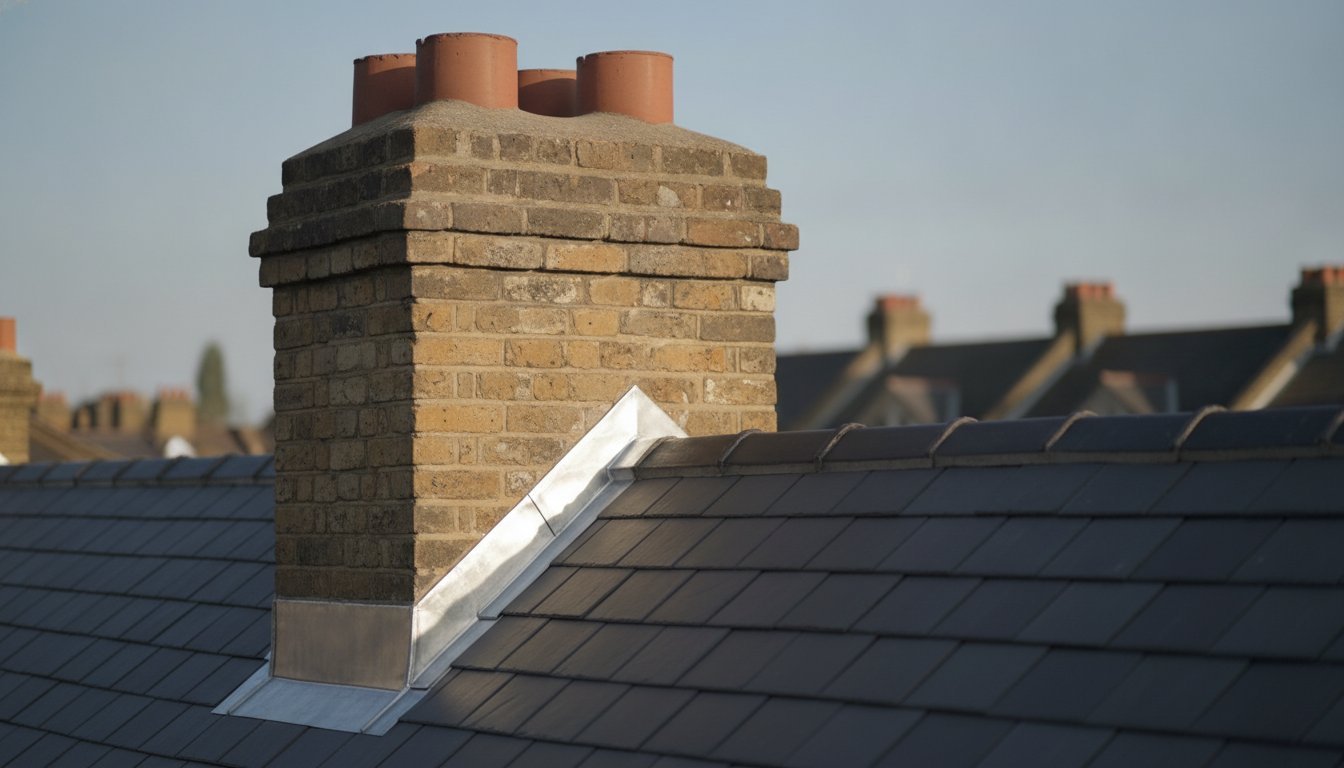
Chimney flashing acts as the primary barrier against the unpredictable British weather. It’s the critical seal where the masonry of your chimney stack meets the roof tiles or slates. Without professional flashing (weatherproofing), rainwater would simply track down the bricks and into your loft space. In 2026, the chimney flashing repair cost Hackney homeowners face is increasingly driven by a return to high-performance leadwork. While modern polymer sealants exist, they simply don’t offer the 60-year longevity required for London’s exposed rooflines.
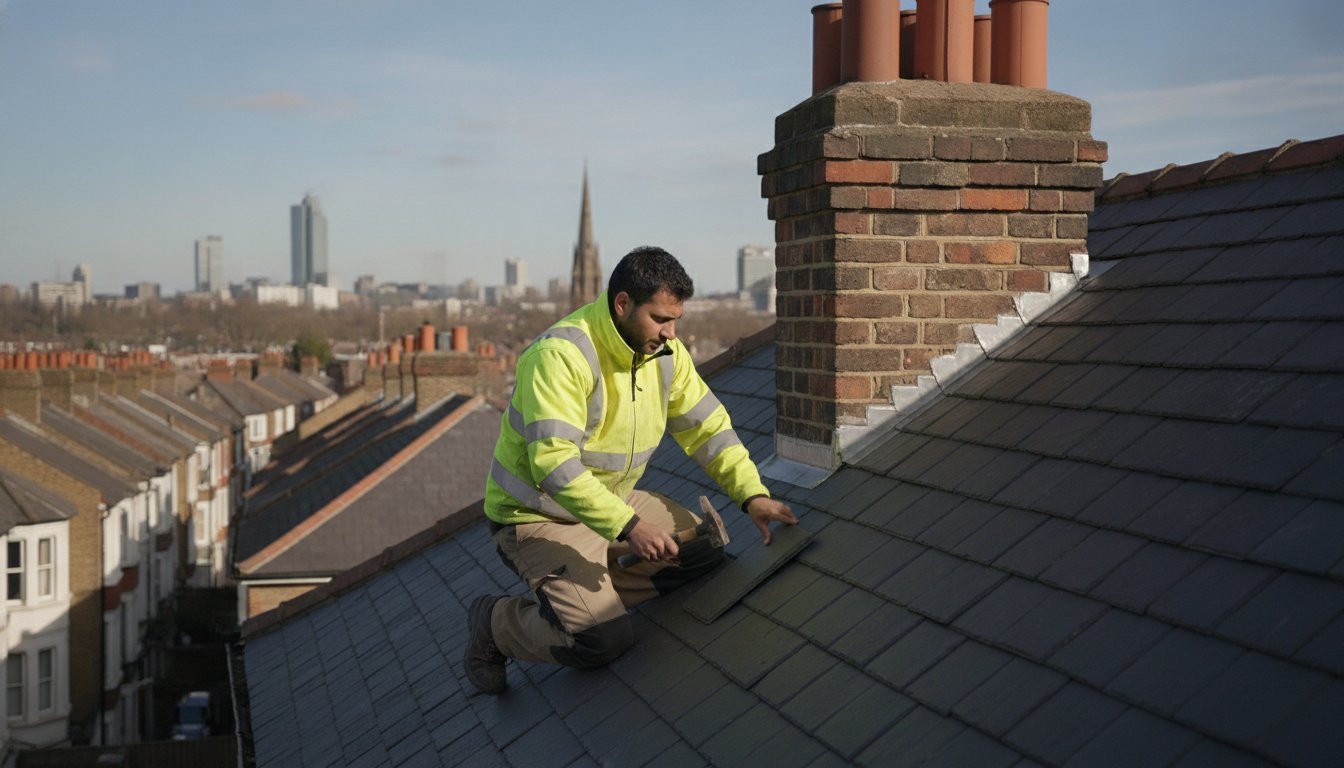
National price averages often fail to account for our local logistics. In East London, narrow residential streets and stringent parking restrictions add a layer of complexity to any roofing project. Scaffolding permits and the time spent navigating these urban constraints create a “Hackney Premium” that isn’t reflected in generic data. We approach every project as master craftsmen. This means we evaluate the entire chimney anatomy, checking the mortar and masonry integrity, rather than just looking at the surface lead.
Why Lead Flashing is Crucial for Hackney’s Period Properties
Hackney is defined by its Victorian and Edwardian terraces. These properties feature intricate brickwork that is particularly susceptible to water ingress if the flashing fails. Once water penetrates the stack, it doesn’t just cause damp patches on your bedroom ceiling; it can lead to structural timber rot that’s far more expensive to rectify. Investing in professional leadwork isn’t just about maintenance. It’s about preserving the heritage value of your home. A well-executed lead installation is a mark of quality that future buyers and surveyors will recognise immediately.
Defining the Scope: Minor Patches vs. Full Replacement
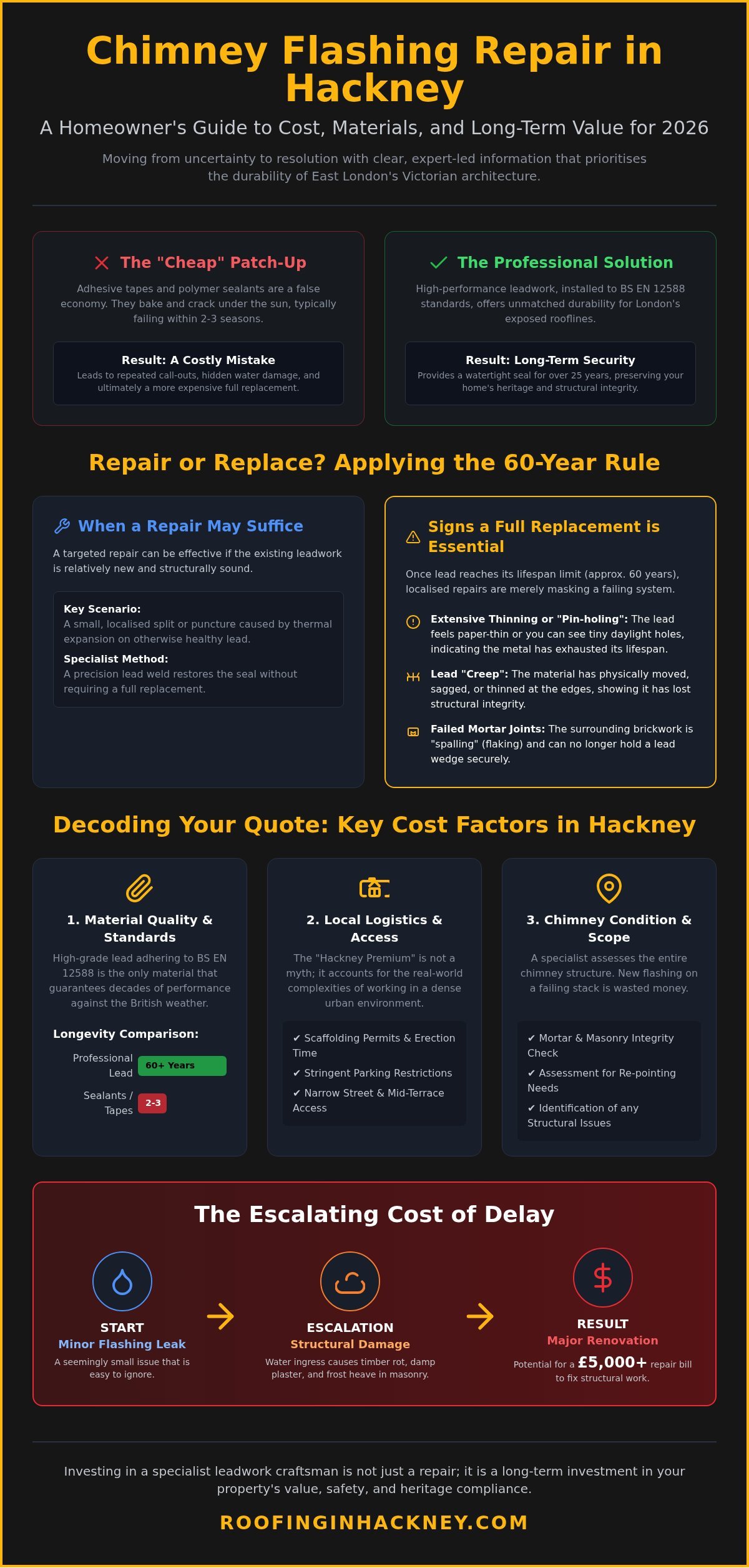
Not every leak requires a total overhaul. If your lead is relatively young but has suffered a small split due to thermal expansion, we can often perform a precision lead weld to restore the seal. However, if the material is thinning or has “stepped” away from the mortar joints across the entire stack, a full replacement is the only responsible path. We’ve seen many homeowners try “quick fixes” like adhesive flashing tape. These products tend to bake and crack under the sun within two or three seasons. In the long run, these temporary patches always cost more because they fail to provide a permanent structural solution.
Repairing vs. Replacing: How to Determine the Best Value Path
Deciding whether to patch a leak or invest in a full replacement is the most significant factor in your total chimney flashing repair cost Hackney project. A standard rule of thumb followed by specialists is the 60-year threshold. While lead is a remarkably durable material, it eventually succumbs to decades of thermal expansion and contraction. We often look for “creep,” where the lead has physically moved or thinned at the top edges, indicating the material has lost its structural integrity. Technical standards from the Lead Sheet Training Academy suggest that once lead reaches this stage, localised repairs are merely temporary masks for a failing system.
We also assess the chimney stack masonry during our inspection. If the mortar joints have crumbled or the bricks are “spalling” (flaking), even the highest grade of new lead won’t create a watertight seal. A professional assessment ensures you don’t waste money on new flashing for a stack that requires rebuilding. This methodical approach saves you from paying for access and labour twice, providing a clear path toward a permanent solution.
Signs Your Flashing has Reached the Point of No Return
- Extensive thinning or “pin-holing”: When you see tiny daylight holes or the lead feels paper-thin to the touch, the metal has exhausted its lifespan.
- Failed mortar joints: If the brickwork can no longer hold a lead wedge securely, the flashing will eventually slip and allow water ingress.
Patination is the natural, protective grey film that develops on lead as it ages, providing a weather-resistant barrier that signifies the material’s maturity.
The True Cost of Delaying Chimney Maintenance
Delaying a relatively simple flashing repair is a gamble with high stakes. What begins as a minor maintenance task can rapidly escalate into a £5,000 structural renovation if water ingress reaches the chimney breast plaster or decorative cornices. In Hackney’s period homes, persistent dampness also invites frost heave. This occurs when trapped water freezes and expands, potentially causing masonry to loosen and fall. If you’re concerned about the state of your roofline, it’s wise to request a professional inspection before the next heavy downpour. Taking action now prevents the need for more invasive and expensive internal repairs later.
Material Matters: Lead Grades and Technical Standards
Choosing the right materials is the most critical decision influencing the chimney flashing repair cost Hackney homeowners will face. It isn’t just about the price per roll; it’s about the technical performance of the metal over several decades. All lead used in professional roofing should comply with BS EN 12588. This standard ensures the material has been rolled to a consistent thickness, preventing the premature thinning often found in lower-quality alternatives. Whilst cheaper materials might seem attractive, they rarely withstand the thermal stresses of an exposed London roofline.
For Hackney’s Victorian chimneys, we also prioritise the use of lime mortar for repointing the lead into the masonry. Modern cement is often too rigid for period brickwork; it traps moisture and can cause the original bricks to crumble over time. Lime mortar allows the stack to breathe and move in harmony with the lead. While modern GRP (Glass Reinforced Plastic) or aluminium flashing alternatives are available, they lack the proven 100-year lifespan and aesthetic “fit” that traditional lead provides for heritage properties.
British Standard Lead Grades (4, 5, and 6) Explained
The grade of lead refers to its thickness and weight per square metre. Selecting the wrong grade is a common reason for premature failure in East London roofs. We typically categorise them as follows:
- Grade 4 (1.80mm thickness): Primarily used for soakers or very light flashing work where the metal is protected from direct exposure.
- Grade 5 (2.24mm thickness): This is the “Gold Standard” for chimney repairs in Hackney. It provides the necessary weight to resist wind lift whilst remaining malleable enough for precision shaping around complex chimney abutments.
- Grade 6 (2.65mm thickness): Reserved for larger chimney stacks or properties in particularly exposed positions where maximum durability is required.
Thicker lead grades are significantly more resistant to “fatigue cracking.” This is the process where the metal eventually splits due to thousands of cycles of thermal expansion and contraction. Investing in Grade 5 lead ensures your chimney flashing repair cost Hackney project delivers value for the next half-century.
Why Precision Leadwork Outlasts Modern Sealants
Lead is a living material. It expands in the summer sun and contracts during winter frosts. Rigid sealants or “flash-band” tapes cannot mimic this movement; they eventually pull away from the masonry, creating microscopic gaps for water to enter. Master craftsmen use techniques like “bossing” to manually shape the lead around corners without thinning the metal. For more complex junctions, we use lead welding to create a single, seamless barrier. For those requiring Expert Leadwork Hackney residents can trust, these traditional methods are the only way to guarantee a watertight finish that respects the architectural integrity of the building.
Local Logistics: How Hackney’s Streets Affect Your Quote
Hackney’s architectural charm comes with logistical trade-offs that directly influence the chimney flashing repair cost Hackney residents pay. The narrow streets of Dalston or the bustling roads around Shoreditch dictate how we manage site access and material delivery. Unlike suburban projects where a contractor might park on a private driveway, Hackney requires meticulous planning for every van and skip. These urban constraints aren’t just minor inconveniences; they require specific permits and coordination that must be factored into your professional quote from the outset.
Project duration is also influenced by local working hour restrictions. Many residential pockets in the borough have specific windows for heavy work to minimise disruption to neighbours. We respect these local authority guidelines to maintain community relations, even if it means a slightly more structured timeline for your repair. Our role as a trusted local advisor is to navigate these hurdles on your behalf, ensuring the technical work proceeds without administrative delays.
Parking Suspensions and Skip Permits in East London
Securing a spot for a skip in a Controlled Parking Zone (CPZ) is a mandatory administrative task for most chimney projects. Hackney Council requires specific licenses for skips placed on the public highway, and these permits must be secured well in advance of the start date. We also manage parking suspensions for our specialist leadwork vans. This ensures our team has immediate access to their precision tools and heavy lead rolls, preventing the inefficiency of carrying materials from several streets away. These permit fees and coordination efforts are essential components of a transparent and professional service.
Access Challenges: Mid-Terrace and High-Rise Repairs
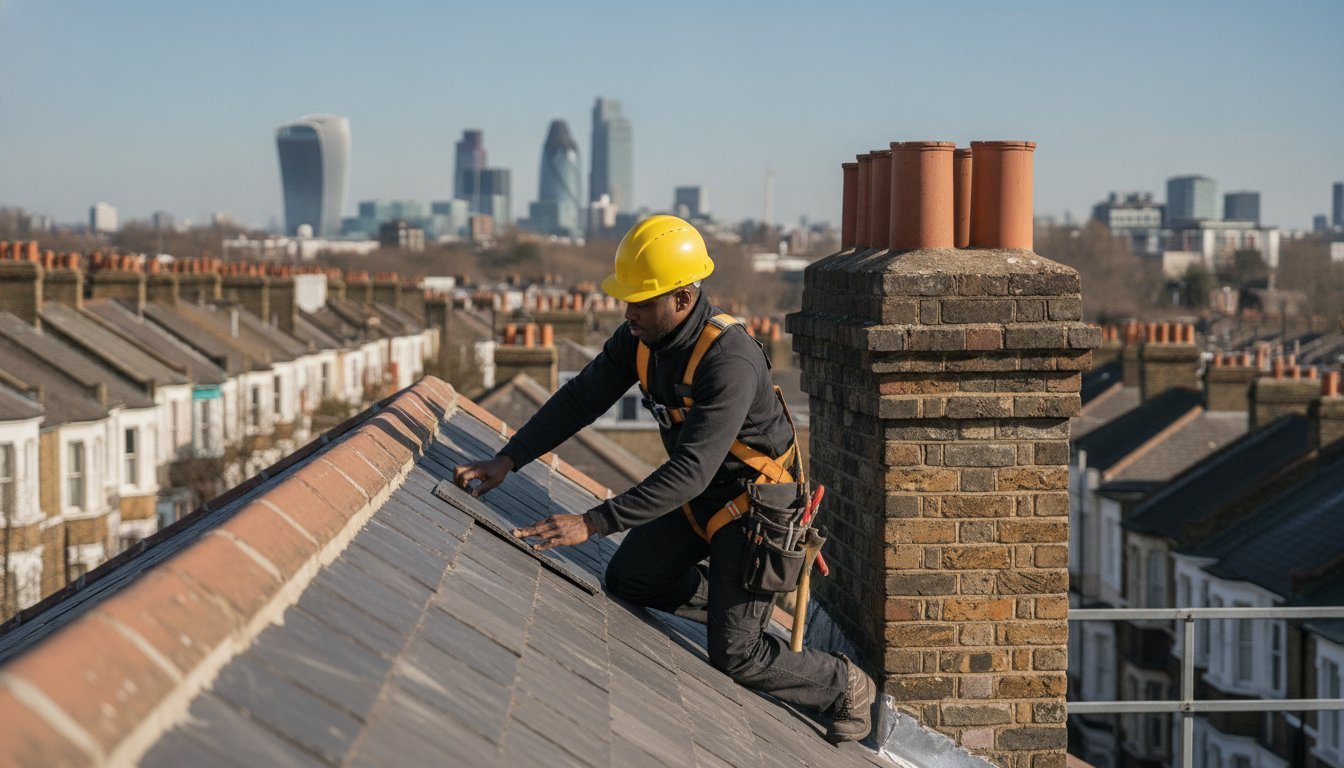
Mid-terrace properties often present the “Carry Through” factor. When there’s no rear access, every roll of Grade 5 lead and every bucket of lime mortar must be carefully transported through the property. This process requires additional labour time and protective measures for your internal flooring and furniture. Working on steep Victorian pitched roofs also necessitates high-reach scaffolding designed for narrow footprints. Whilst we have the scaffolding in place, many homeowners opt to combine their flashing work with Thermal Roof Insulation Upgrades to maximise the value of the access equipment already installed.
Navigating these local complexities is a standard part of our workflow. We handle the paperwork and the logistics so you can focus on the end result: a watertight home. If you’re planning a repair this year, request a specialist site survey to receive a comprehensive quote that accounts for all Hackney-specific variables.
Hiring a Specialist Leadwork Contractor in Hackney
A general builder might offer a lower initial chimney flashing repair cost Hackney quote, but they often lack the technical proficiency required for complex leadwork. Precision leadwork is a specialised trade. It involves understanding the chemical properties of the metal and how it reacts with masonry over decades. When you review a professional quote, look for specific mentions of lead grades, disposal fees, and local authority permit coordination. A transparent breakdown ensures there are no hidden surprises once the scaffolding is erected. It’s the difference between a temporary patch and a structural investment.
Verification of insurance and specialist leadwork guarantees should be your next priority. A reputable contractor will provide documentation that covers both public liability and the specific craftsmanship of the lead installation. Accountability is a significant benefit of choosing a local Hackney roofer. We live and work in the same community as our clients, meaning our reputation is built on the long-term performance of every chimney stack we repair. If an issue arises three years down the line, a local specialist is far more likely to provide prompt support than a distant firm with no ties to East London.
The Master Craftsman Difference
Mastering the anatomy of a Victorian chimney requires years of hands-on experience with traditional materials. We focus on precision leadwork around complex chimney abutments and valleys, ensuring that every fold and weld is executed to resist the harshest weather. Our approach prioritises traditional methods that preserve the architectural character of Hackney homes whilst meeting modern building regulations. You can learn more About Our Hackney Roofing Team and our commitment to maintaining the borough’s heritage through expert craftsmanship.
Secure Your Property for 2026 and Beyond
Timing is essential for any roofing project. Autumn is a critical period for Hackney chimney assessments, as it allows you to identify and rectify minor flashing splits before the winter freeze-thaw cycle begins. Addressing these issues early prevents the “frost heave” mentioned in previous sections, where trapped water expands and damages your brickwork. The peace of mind that comes with a local, reliable specialist cannot be overstated. It ensures your home remains a secure, dry environment regardless of the weather. If you suspect your leadwork is thinning or have noticed damp patches near your chimney breast, take the first step toward a permanent solution. Request a Professional Hackney Chimney Assessment today to receive a detailed, expert-led evaluation of your property’s needs.
Securing Your Hackney Roofline for the Decades Ahead
Navigating the variables of a chimney flashing repair cost Hackney project requires a balance of technical knowledge and local logistical awareness. By prioritising high-performance Grade 5 lead systems and adhering to BS EN 12588 standards, you’re investing in a solution that outlasts temporary sealants by decades. We’ve explored how navigating Hackney Council permits and complex scaffolding access is a standard part of a professional workflow, ensuring your property remains protected without administrative delays.
Our specialist Hackney-based leadwork team combines traditional craftsmanship with a deep understanding of Victorian chimney anatomy. This expertise ensures that every abutment and valley is sealed with precision, preserving the character and structural integrity of your home. Taking action before the winter months prevents minor splits from escalating into major internal damp issues.
If you’re ready to move from uncertainty to a permanent, watertight resolution, we’re here to help. Request a Professional Hackney Chimney Assessment today to receive a comprehensive evaluation from our master craftsmen. It’s the most reliable way to ensure your roof remains secure for 2026 and far beyond.
Frequently Asked Questions
How much does it cost to repair chimney flashing in Hackney?
The total chimney flashing repair cost Hackney property owners face depends on several variables, including the chimney’s dimensions, the required lead grade, and any necessary masonry repointing. Scaffolding and Hackney Council permit fees also play a significant role in the final quote. Every project is unique, so a specialist site survey is essential to provide an accurate assessment of the work required for your specific roofline.
Can I use flashing tape instead of lead to save money?
Flashing tape is a temporary sealant and shouldn’t be used as a substitute for professional leadwork. It lacks the durability of rolled lead and often cracks within a few seasons due to thermal expansion and UV exposure. For a watertight seal that lasts 60 years or more, high-performance lead is the only technical standard we recommend for preserving Hackney’s period homes.
How long does a professional chimney flashing repair take?
A standard repair typically takes between one and two working days to complete once safe access is established. This timeframe allows our team to remove the failing material, prepare the masonry joints, and manually boss the new lead into position. More complex chimney stacks or mid-terrace properties with restricted access may require a slightly longer schedule to ensure a precision finish.
Do I need scaffolding for a chimney repair in a terrace house?
Safe access is a requirement for all high-level roofing work, and scaffolding is almost always necessary for chimney repairs on terrace houses. It provides a stable platform for our craftsmen to work precisely and ensures compliance with health and safety regulations. In Hackney, we coordinate the scaffolding installation to minimise disruption on narrow residential streets and manage the necessary local authority permits.
What is the difference between Grade 4 and Grade 5 lead?
The primary difference lies in the thickness and weight of the material. Grade 4 lead is approximately 1.80mm thick and is suitable for protected areas like soakers, whilst Grade 5 lead is 2.24mm thick. We recommend Grade 5 for most chimney flashing repairs because its increased mass resists thermal movement and fatigue cracking far more effectively over several decades.
Will a leaking chimney cause structural damage to my roof?
Persistent leaks will inevitably lead to structural issues if left unaddressed. Water ingress causes timber rot in the roof joists and can lead to “spalling,” where the faces of the chimney bricks flake off due to frost damage. These structural repairs are significantly more expensive than a proactive flashing replacement, often costing thousands of pounds more than the initial repair.
How often should chimney flashing be inspected in London properties?
We recommend a professional roof and chimney inspection every two to three years for London properties. The capital’s varying weather conditions and urban pollution can accelerate the ageing of mortar joints and leadwork. Regular checks allow you to catch minor splits or slipped flashing before they cause internal dampness and damage to your decorative cornices.
Do I need planning permission for chimney repairs in Hackney?
Planning permission isn’t typically required for like-for-like repairs that use traditional materials. However, if your property is a listed building or situated within one of Hackney’s conservation areas, specific heritage standards may apply. It’s always advisable to check with the local authority or a specialist contractor before commencing work on period chimneys to ensure full compliance.